This article contains affiliate links. If you book through them, I earn a small commission at no extra cost to you.
The night before the W Trek, I was sitting on the floor of a hostel in Puerto Natales with every piece of gear I owned spread across the room. Rain shell, check. Gas canister, check. Two pairs of wool socks, one still damp from the walk along the waterfront. A bag of trail mix that I had already started eating. Outside, the wind was doing something terrible to the corrugated iron roof, and somewhere down the hall a group of Israelis were arguing about whether to take the catamaran or the bus into Torres del Paine.
I had arrived in Puerto Natales thinking it was just a supply stop. A place to buy gas canisters, tape up blisters, and catch the morning bus to the trailhead. But I ended up staying three nights instead of one, and by the time I left, the town had become one of the unexpected highlights of my whole Patagonia trip.
The Town at the Edge of Everything
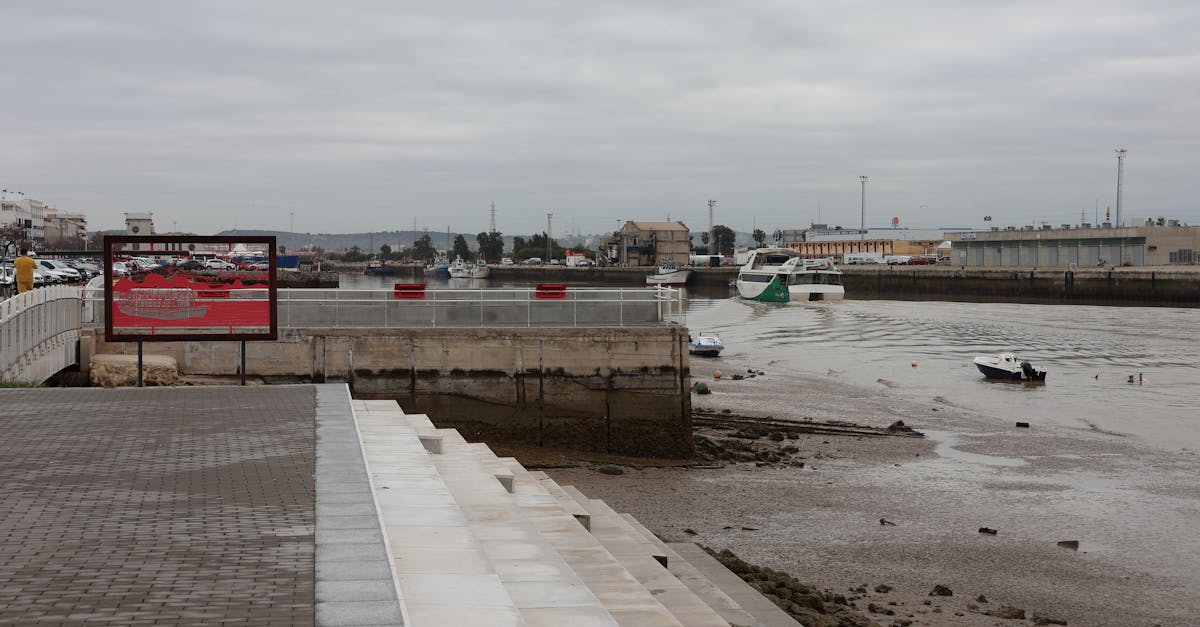
Puerto Natales sits on the Ultima Esperanza Sound — Last Hope Sound, which might be the most Patagonian name possible. It is a small town of maybe 20,000 people, pressed between the water and the steppe, and it exists primarily because of Torres del Paine National Park about two hours north. Almost everyone here is either going to the park, coming back from the park, or selling things to people doing one of those two things.
But there is more to it than that. The town has a scrappy, frontier quality that I liked immediately. The buildings are low and colorful, mostly corrugated metal and wood, painted in blues and reds and yellows that pop against the grey sky. The streets are quiet in the morning, almost eerily so, and then fill up in the afternoon with hikers comparing blisters over pisco sours. It felt like a place that existed for a reason — not a tourist creation, but a real town that happens to sit at the doorstep of some of the most dramatic landscape on earth.
And the wind. I need to mention the wind. Puerto Natales gets hit by Patagonian wind that comes screaming across the open steppe with nothing to slow it down. I watched a café sign rip off its hinges on my first afternoon. You learn to walk at an angle here. It becomes normal surprisingly fast.
Walking the Costanera at Golden Hour
The best thing I did in Puerto Natales cost nothing. The costanera — the waterfront promenade — runs along the edge of the Ultima Esperanza Sound for about two kilometers, and if you walk it in the late afternoon when the light goes golden and the mountains across the water catch the last sun, it is genuinely one of the most beautiful town walks I have done anywhere in Chile.
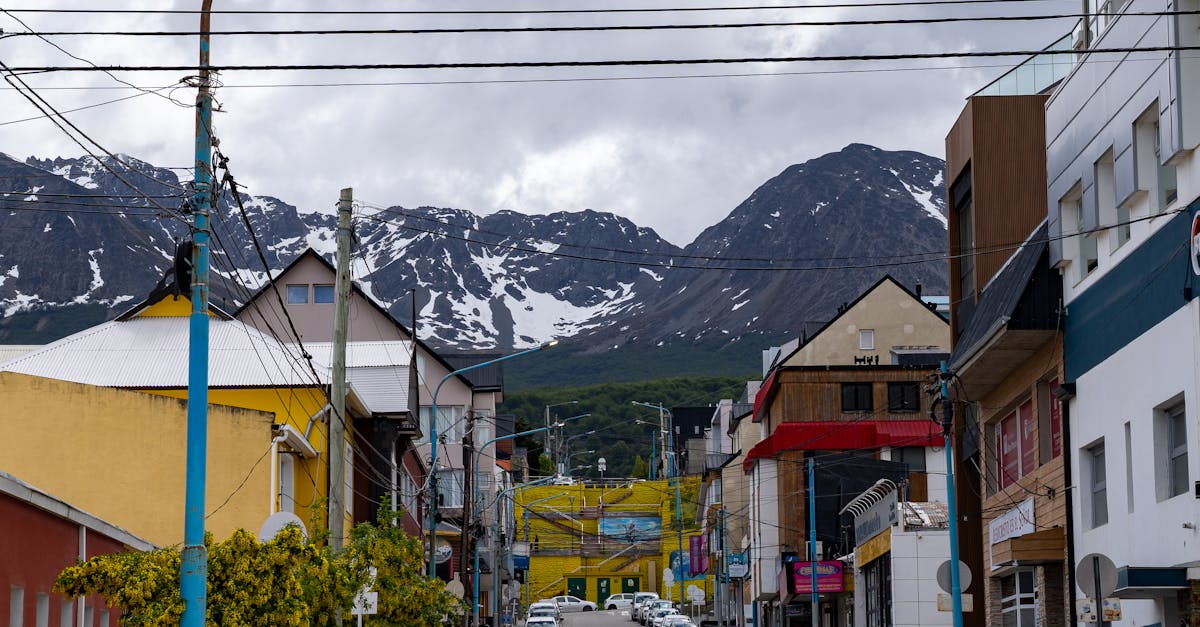
There are old fishing boats pulled up on the shore, rusting in that photogenic way that makes everything look like a film set. Black-necked swans float in the shallows. The mountains across the channel — the Riesco Range — change color every twenty minutes as the light shifts. I came back to this walk three evenings in a row and took completely different photos each time.
The walk is flat, paved, and easy. It takes maybe forty minutes end to end without rushing. There are a couple of benches and a monument to a German settler that nobody seems to pay much attention to. But the real point is the view, and on a clear evening — which is not every evening, so take your chances when you get them — it is as good as anything in Patagonia.
Quick Tip
The costanera faces roughly west-southwest. Sunset light is best between 8pm and 9:30pm in summer (December-February). Bring a windproof layer even if it looks warm — the wind off the water drops the temperature fast.
Cueva del Milodon — Worth the Detour
About 25 kilometers northwest of town, a massive natural cave sits in the side of a cliff where a prehistoric ground sloth once lived. Cueva del Milodon is one of those attractions that sounds slightly absurd on paper — you are driving out to see a cave where a giant sloth used to hang out — but it is actually fascinating when you get there.
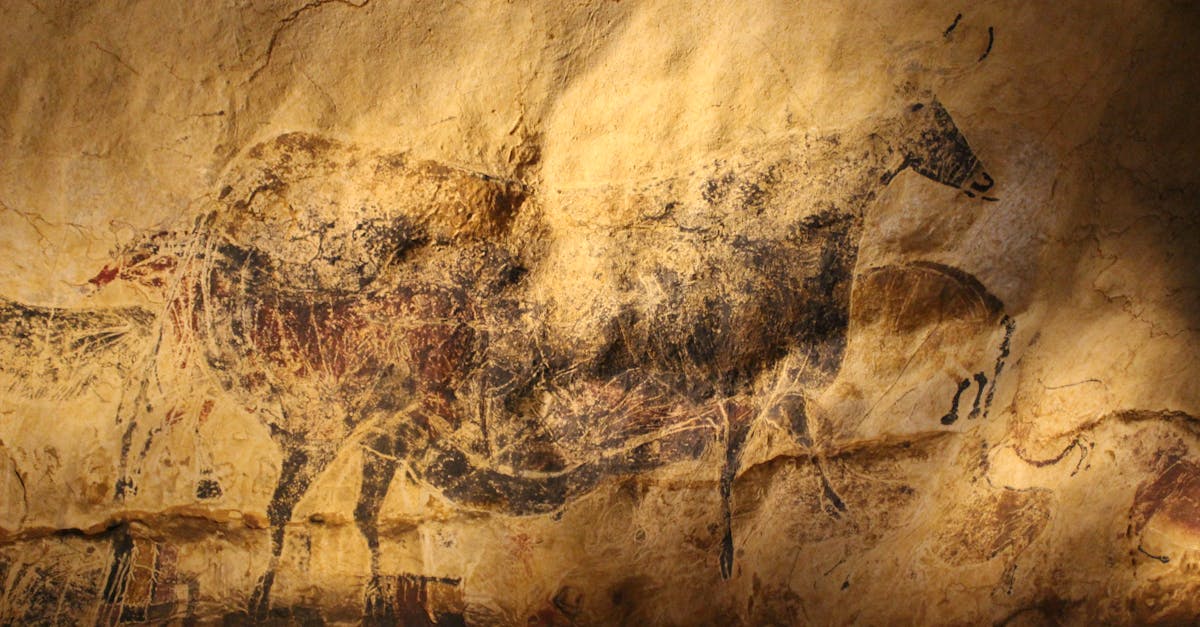
The cave itself is enormous. I mean truly enormous. The main chamber is something like 200 meters deep and 30 meters high, and there is a life-size replica of a milodon (the ground sloth) near the entrance that gives you an idea of the scale. The animal was about three meters tall and went extinct roughly 10,000 years ago. Bones, skin fragments, and dung were found here in the 1890s by a German settler, and the discovery caused a brief international sensation — some people genuinely believed the creature might still be alive somewhere in Patagonia.
The park has a couple of walking trails beyond the main cave, including a lookout point that gives you views back toward the Ultima Esperanza Sound. I spent about two hours there, which felt right. You could do it in one hour if you just wanted the cave and the photo, but the trails through the surrounding forest are peaceful and empty.
Getting there without a car is slightly annoying. You can take a taxi from Puerto Natales for around 25,000-30,000 CLP round trip including wait time, or join a half-day tour that usually combines the cave with a stop at a viewpoint. I split a taxi with two other travelers from my hostel, which made it cheap. There is no public bus.
Practical Details for Cueva del Milodon
| Park entrance fee | 8,000 CLP (~$8 USD) for foreigners |
| Hours | 8:30am - 7pm (summer), shorter in winter |
| Time needed | 1.5-2 hours for caves and trails |
| Getting there | Taxi ~25,000 CLP round trip, or join a tour |
The Glacier Boat Trip You Should Not Skip
If you do one excursion from Puerto Natales, make it the boat trip to the Balmaceda and Serrano glaciers. I almost skipped this because I figured I would see plenty of glaciers later on the W Trek. I am glad I did not skip it.
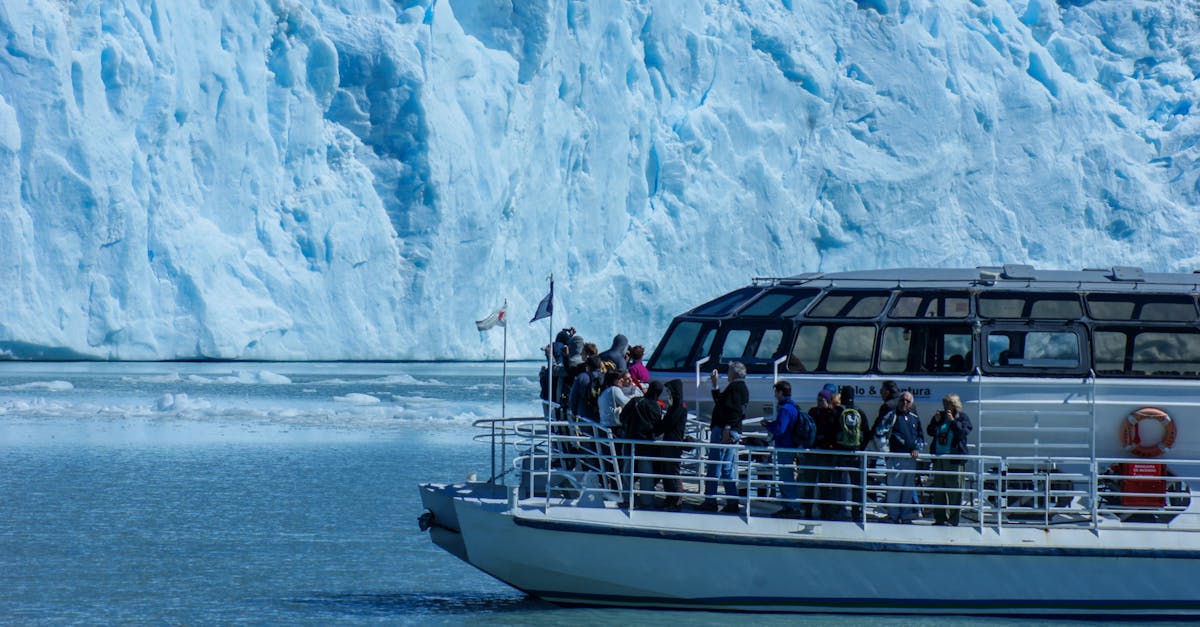
The trip starts from the Puerto Natales dock early in the morning. You sail up the Ultima Esperanza Sound, which narrows gradually into a fjord surrounded by mountains and forest, passing sea lion colonies and cormorant nests along the way. The first glacier — Balmaceda — appears on the mountainside above you, a hanging glacier that you see from the boat without getting off. It is impressive, but the main event comes later.
The boat docks and you hike about 20 minutes through forest to reach the Serrano glacier face-on. Standing at the edge of the glacial lake with the ice wall rising in front of you, cracking and groaning, small pieces calving off into the milky blue water — it hit harder than I expected. I had seen photos, obviously. Photos do not capture the sound. The deep, almost geological creaking that comes from inside the ice. Or the way the cold air rolls off the glacier and hits you in the face like opening a freezer door.
The full-day tour runs about 65,000-85,000 CLP (roughly $70-90 USD) depending on the operator and whether lunch is included. Some tours continue by zodiac into Torres del Paine National Park via the Serrano River, which is a spectacular way to enter the park if you can afford the premium. I took the standard return trip and it was a solid eight hours, including lunch on a small estancia where they served roast lamb. Which brings me to the food.
Lamb, Centolla, and Eating Your Way Through Town
Puerto Natales has a food scene that punches well above its weight for a town this size. Two things dominate: cordero (lamb) and centolla (king crab). Both are local, both are seasonal, and both are worth rearranging your budget for.
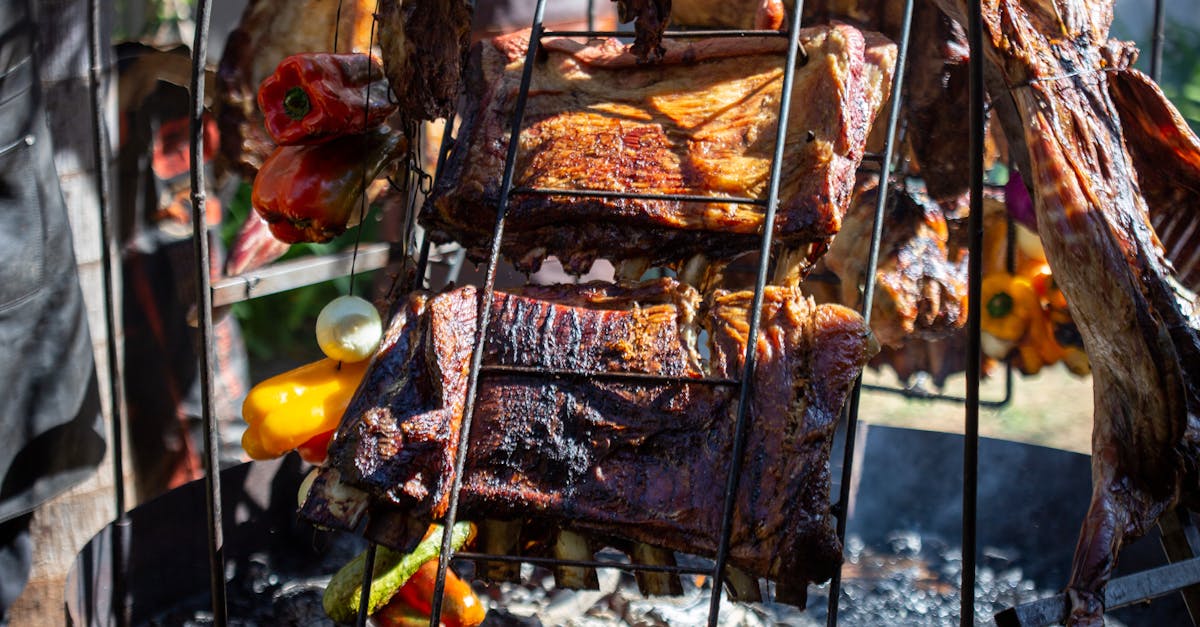
The lamb here is Patagonian lamb, raised on windswept grassland and slow-roasted over open coals. The traditional preparation is cordero al palo — a whole lamb butterflied and pinned to a metal cross, then cooked slowly next to a wood fire for four or five hours. Several restaurants in town do this, and the ones that cook outside so you can actually see the lamb on the fire are the ones to pick. I ate cordero twice in three days and regretted neither meal.
Centolla season runs roughly from July to November, so if you are visiting in summer (peak trekking season) you might be eating frozen centolla rather than fresh. It is still good — the meat is sweet and dense, usually served in a simple preparation with lemon and mayonnaise or as a chupe (a gratin-style baked dish). But if you happen to be here in spring, the fresh stuff is on another level.
For budget meals, look for the set lunch (menu del dia or almuerzo) at local comedores — the small, no-frills restaurants that cater to workers rather than tourists. Around 5,000-7,000 CLP gets you soup, a main course, and a drink. The food is simple and filling, which is exactly what you want when you are carb-loading before a five-day trek.
Quick Tip
Restaurant prices in Puerto Natales jumped noticeably in recent years, tracking the trekking boom. A cordero main at a tourist restaurant runs 18,000-25,000 CLP. The comedores along Bulnes Street, a few blocks back from the waterfront, are half the price and twice the atmosphere.
Gear Shops and Last-Minute W Trek Prep
This is the real reason most people spend time in Puerto Natales, and the town knows it. The main drag — Arturo Prat and the streets around the Plaza de Armas — is lined with outdoor gear shops, from proper outfitters to small rental places that look like someone emptied their garage onto a rack.
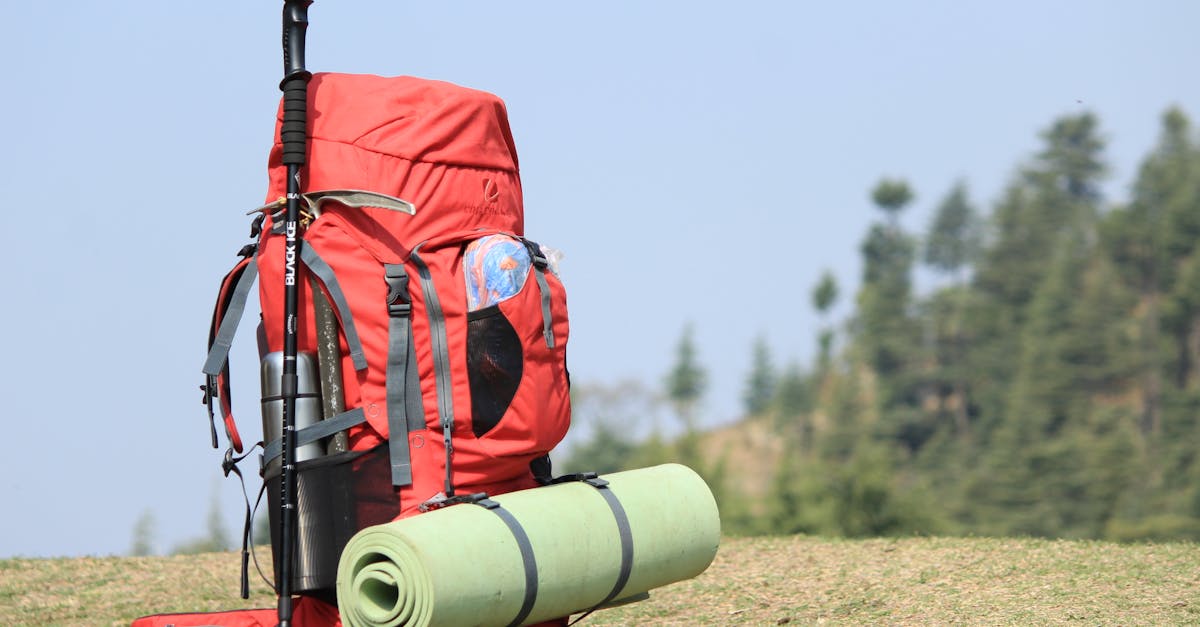
If you are doing the W Trek and you need to rent a tent, sleeping bag, stove, or trekking poles, this is the place. Rental quality varies wildly. I checked three shops before finding poles that did not wobble and a stove that actually lit on the first try. The going rates when I was there: trekking poles 5,000-8,000 CLP per day, tent 10,000-15,000 CLP per day, sleeping bag 8,000-12,000 CLP per day, stove with gas canister 5,000-7,000 CLP per day.
A couple of things I learned the hard way. First, gas canisters sell out during peak season (January especially). Buy yours the day you arrive, not the morning you leave. I watched three hikers scramble through town at 6am looking for gas and end up paying double at the bus station kiosk. Second, if you are renting a sleeping bag, check the temperature rating. Some of the rental bags are rated to zero degrees and Torres del Paine routinely hits minus five at night in the shoulder season. I brought my own bag and was glad I did.
There is also a well-stocked supermarket — Unimarc — on the main road where you can buy trail food. Instant oatmeal, nuts, dried fruit, tuna packets, pasta, chocolate. Everything costs more here than in Santiago or Punta Arenas, but it saves you carrying food from further north. I spent about 35,000 CLP on five days of trail food, eating simply but not suffering.
Arriving by Navimag — The Ferry That Changes the Trip
Some people fly into Puerto Natales. Some take the bus from Punta Arenas. And some arrive the way I did — on the Navimag ferry from Puerto Montt, a three-and-a-half-day voyage through the Chilean fjords that is one of the more unusual travel experiences in South America.
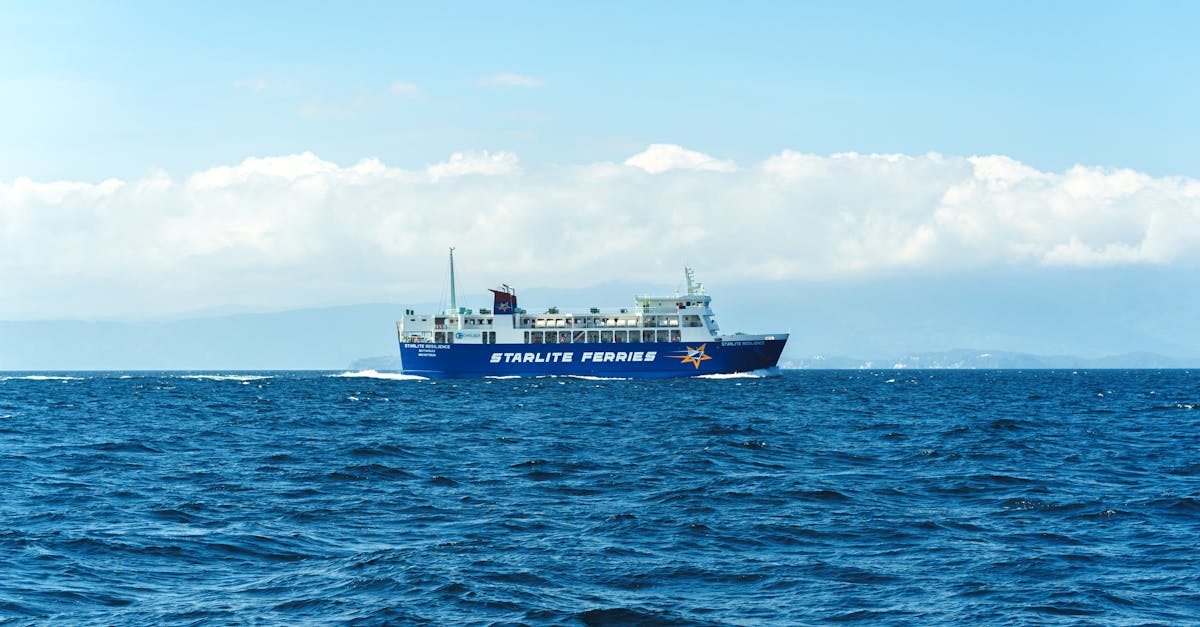
The Navimag is not a cruise ship. It is a cargo and passenger ferry that threads through the narrow channels of southern Chile, past glaciers and volcanoes and islands where nobody lives. The cabins are basic, the food is canteen-style, and the entertainment is staring at some of the most remote coastline on the planet sliding past while the ship rocks gently in the swell. I loved every minute of it.
When you pull into Puerto Natales after three days at sea, the town feels like civilization again. The dock is right in town, walking distance from everything, and there is something memorable about stepping off a ferry into a Patagonian wind and knowing that the W Trek starts tomorrow. The transition from sea to land to mountain is part of what makes this route through Patagonia so good — each stage feels different, and Puerto Natales is the pivot point where everything changes.
The Navimag runs roughly once a week in summer and costs around $400-700 USD depending on cabin class. It books up months in advance. If you can work it into your Patagonia itinerary, it is worth the time and money. If not, the three-hour bus from Punta Arenas works fine and costs about 8,000 CLP.
The Atmosphere of a Frontier Town Before the Trek
There is a specific energy in Puerto Natales that I have not felt anywhere else. It is the energy of anticipation. Everyone in town is either mentally preparing for something big — the W Trek, the O Circuit, a glacier kayaking trip, the Navimag departure — or recovering from it. The hostels are full of people spreading topo maps on dining tables. The bars are full of people who just came back from five days in the mountains and are treating a hot shower and a cold beer like religious experiences.
I spent my first evening in a bar called a name I cannot remember (they blur together — small, warm, lots of wood paneling, a fireplace, somebody playing guitar badly) talking to a couple from New Zealand who had just finished the O Circuit in weather so bad they said they cried on day four. They were laughing about it now. That is the Puerto Natales effect. Everything feels dramatic here because the landscape is dramatic. The stories people tell over dinner have stakes — river crossings, lost trails, unexpected snow. It makes for good company.
The town is also refreshingly small. You can walk anywhere in fifteen minutes. There is no Uber, no metro, no complicated getting around logistics. The Plaza de Armas is the center, the costanera is the view, and everything you need is within a few blocks. After the complexity of planning the trek itself, this simplicity felt like a gift.
Day Trip to Torres del Paine Without the Trek
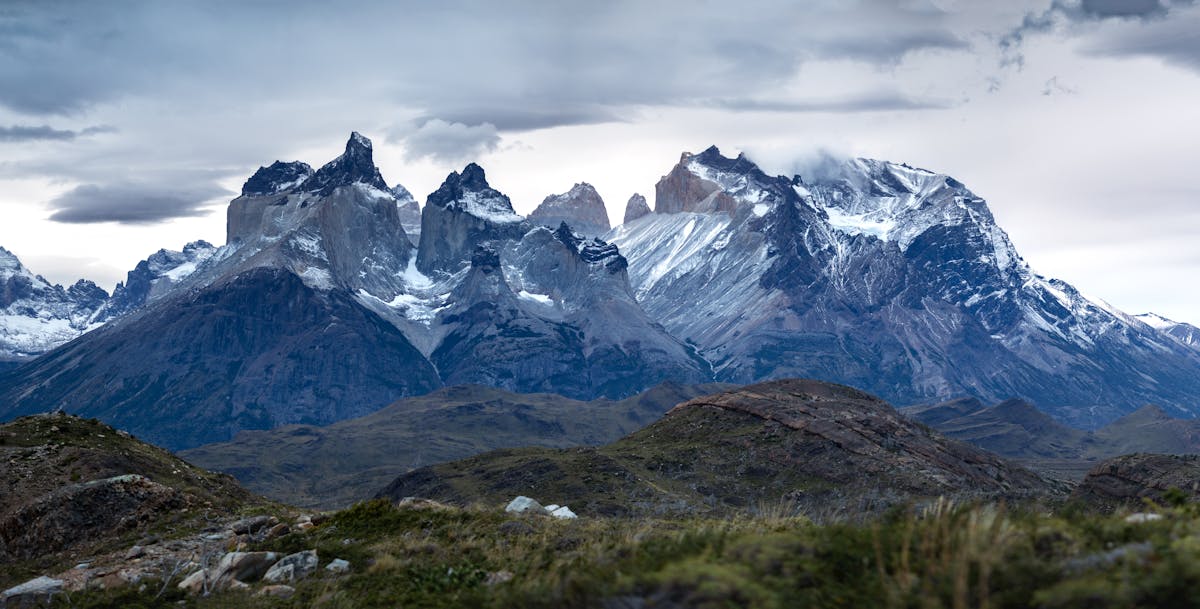
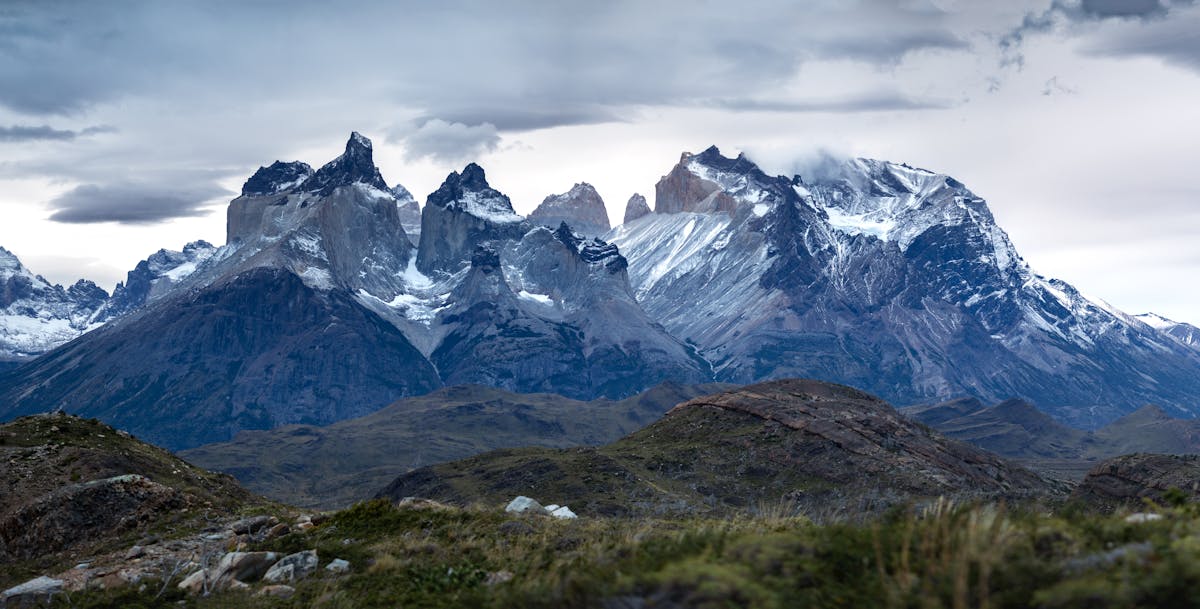
Not everyone who comes to Puerto Natales is here to do a multi-day trek. If you want to see Torres del Paine without committing to the W, you absolutely can. Several operators run day trips from Puerto Natales that take you into the park for the highlights — the Salto Grande waterfall, the Nordenskjold Lake viewpoint, the Grey Glacier lookout — in a single long day.
I would not call it the same experience as being on the trail for five days. It is not even close. But if your knees or your schedule or your budget say no to the trek, a day trip still gives you the mountains, the lakes, the guanacos standing around looking dignified, and the kind of scale that makes you feel small in the best way. Expect to pay around 50,000-70,000 CLP for a guided day trip including park entry and transport.
You can also rent a car in Puerto Natales and drive yourself. The road to the park is paved most of the way and the park entry station is straightforward. Having your own car gives you freedom to linger at viewpoints instead of following the group schedule. Just book the rental in advance — there are only a handful of agencies in town and they sell out in peak season.
When to Go and How Long to Stay
Most people treat Puerto Natales as a one-night stop. I think that is a mistake. Two or three nights gives you time to do the glacier boat trip, walk the costanera properly, visit Cueva del Milodon, and eat lamb at least once. It also gives you a weather buffer — if your first day is a washout (not unlikely), you still have time to see the town at its best.
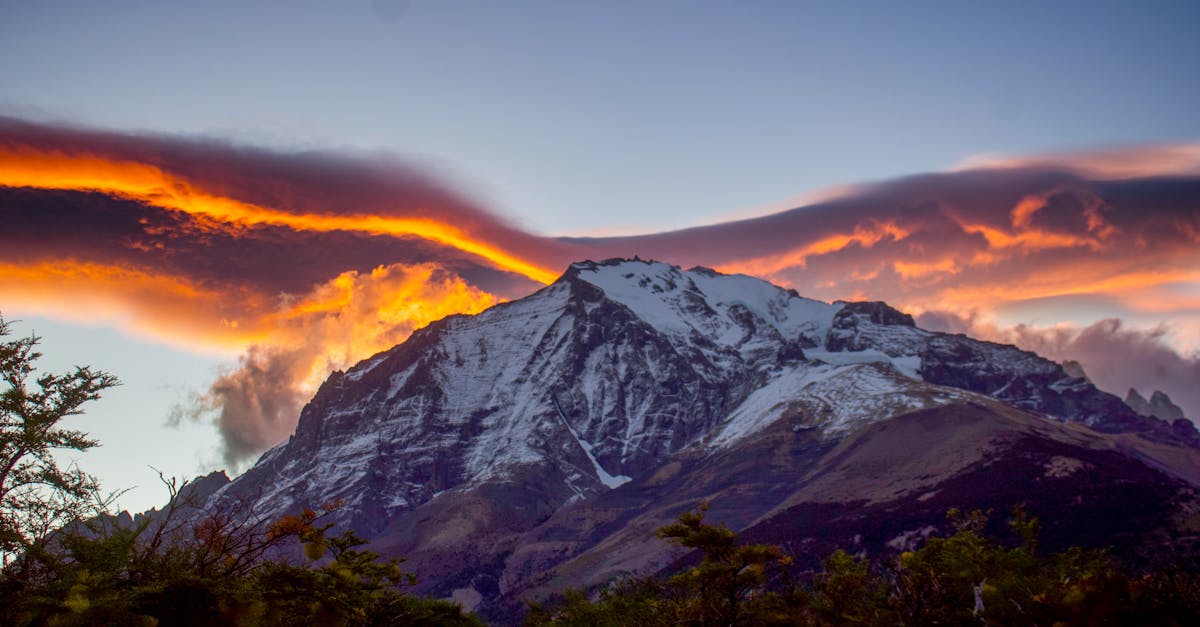
The trekking season runs from October to April, with the peak in January and February. December and March are my preferred months — fewer people, lower prices, and the weather is honestly not much worse than peak summer (Patagonia weather is unpredictable regardless of when you come). Shoulder season also means you can actually book refugios and tours without fighting for spots.
Winter (May-September) is a different animal. Most hiking trails close, many restaurants and hostels shut down, and the town goes quiet. But it is not dead — there are winter trekking options for experienced hikers, and the emptiness has its own appeal. Just check what is actually open before you commit to a winter visit.
Getting to Puerto Natales
Three main ways in:
By air: The nearest airport is in Punta Arenas (PUQ), about three hours south by bus. Flights from Santiago run daily with LATAM and Sky Airline. From the Punta Arenas airport, you can catch a direct bus to Puerto Natales — companies like Bus Sur and Buses Fernandez run several times daily. The bus ride is flat, straight, and boring in the best way — you can sleep the whole thing.
By bus from Punta Arenas: Around 8,000 CLP, three hours, multiple departures daily. This is how most people arrive.
By Navimag ferry from Puerto Montt: Three and a half days through the Chilean fjords. Expensive, slow, and completely worth it if you have the time.
Quick Tip
If you are flying into Punta Arenas and heading straight to Puerto Natales, check the bus schedules before booking your flight. The last bus to Puerto Natales leaves around 7pm. Miss it and you are stuck in Punta Arenas overnight.
What It Costs
| Item | Cost (approx.) |
|---|---|
| Hostel dorm bed | 15,000-22,000 CLP ($15-22 USD)/night |
| Private room (guesthouse) | 40,000-70,000 CLP ($40-70 USD)/night |
| Set lunch at a comedor | 5,000-7,000 CLP |
| Cordero main at a restaurant | 18,000-25,000 CLP |
| Pisco sour | 4,000-6,000 CLP |
| Glacier boat trip (full day) | 65,000-85,000 CLP |
| Cueva del Milodon entry | 8,000 CLP |
| Bus to Punta Arenas | 8,000 CLP |
| Torres del Paine day trip | 50,000-70,000 CLP |
| Gear rental (trekking poles, per day) | 5,000-8,000 CLP |
Puerto Natales is not cheap by Chilean standards. It is a tourist town in a remote location, and prices reflect that. But compared to what the W Trek itself costs — refugios, park entry, transport — the town portion of your budget is manageable. Budget travelers can do three days here for around 100,000-150,000 CLP ($100-150 USD) including accommodation, food, and one excursion, if you eat at comedores and stay in dorms.
Money and costs in Chile — ATMs in Puerto Natales work fine but charge withdrawal fees. Bring pesos from Punta Arenas if you can. Most restaurants accept cards, but the smaller comedores and gear rental shops are cash-only.
Puerto Natales caught me off guard. I expected a transit town and found a place with real personality — the kind of place where the wind howls and the lamb is perfect and strangers trade stories about glaciers over cheap wine. Give it more than one night. You will be glad you did.