This article contains affiliate links. If you book through them, I earn a small commission at no extra cost to you.
The wind hit me before anything else. Not a breeze, not a gust — a full-body shove the second I stepped off the plane in Punta Arenas. My backpack acted like a sail. A woman ahead of me grabbed her hat and missed, and we both watched it cartwheel across the tarmac toward a baggage cart. Welcome to the bottom of the world.
I had not planned to spend more than a night here. Punta Arenas was supposed to be a stopover — the place you pass through on the way to Torres del Paine or the staging ground before crossing to Tierra del Fuego. Two days later I was still there, eating king crab on the waterfront and telling myself I would leave tomorrow. I did not want to leave.
Punta Arenas is not a place that tries to impress you. It does not have the mountain drama of Puerto Natales or the end-of-road mystique of Ushuaia across the border. What it has is something harder to fake: a real city at the edge of the map, with actual history, actual people going about actual lives, and a strait named after the man who proved the world was round visible from half the streets in town. That is enough. That is more than enough.
The Strait of Magellan from the Costanera (Start Here)
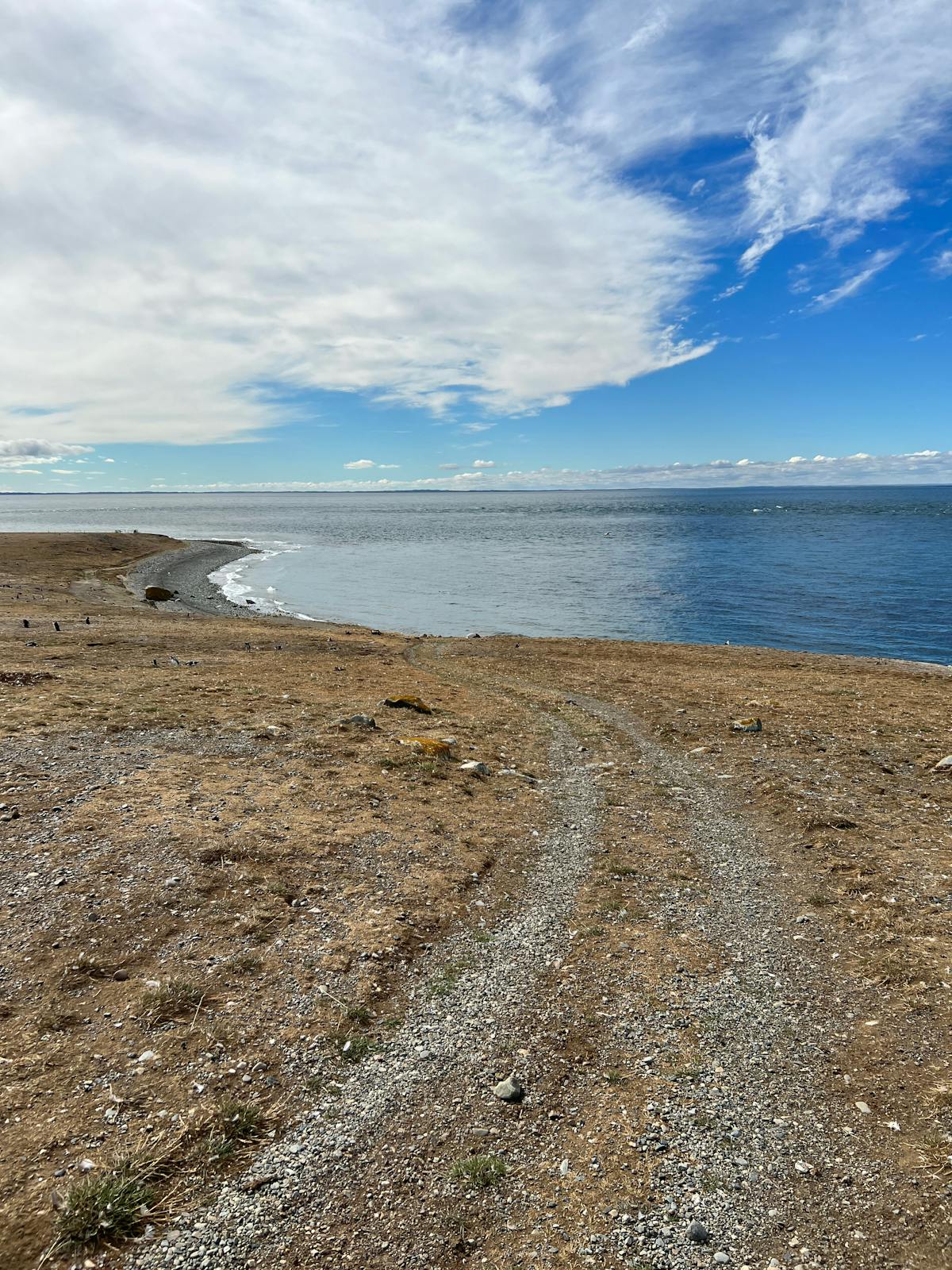
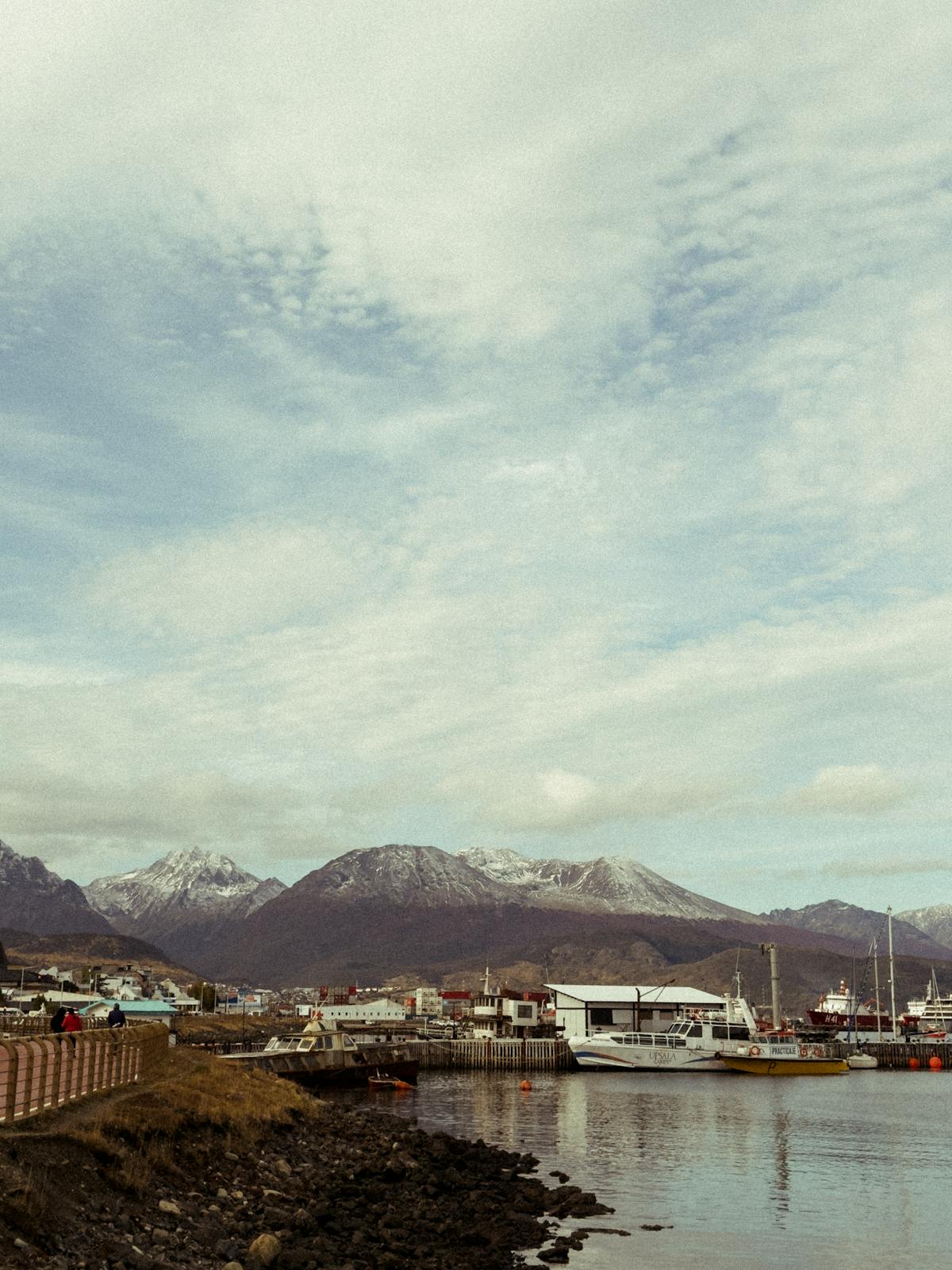
Before you do anything else, walk to the waterfront. The costanera runs for several kilometers along the Strait of Magellan, and it is the thing that makes Punta Arenas different from every other Patagonian town. You are standing on a city street looking at the same water Ferdinand Magellan sailed through in 1520. Ships still pass through — freighters, naval vessels, the occasional expedition cruise heading to Antarctica. Tierra del Fuego is visible on clear days, low and dark on the horizon. Most days the far shore disappears into cloud.
I spent an hour on a bench near the old port on my first morning, drinking terrible instant coffee from a kiosk and watching a container ship creep across the strait. The wind was constant — not violent, just persistent, finding every gap in your jacket. Layers, a windbreaker, and something for your ears. I saw tourists in jeans looking miserable within twenty minutes.
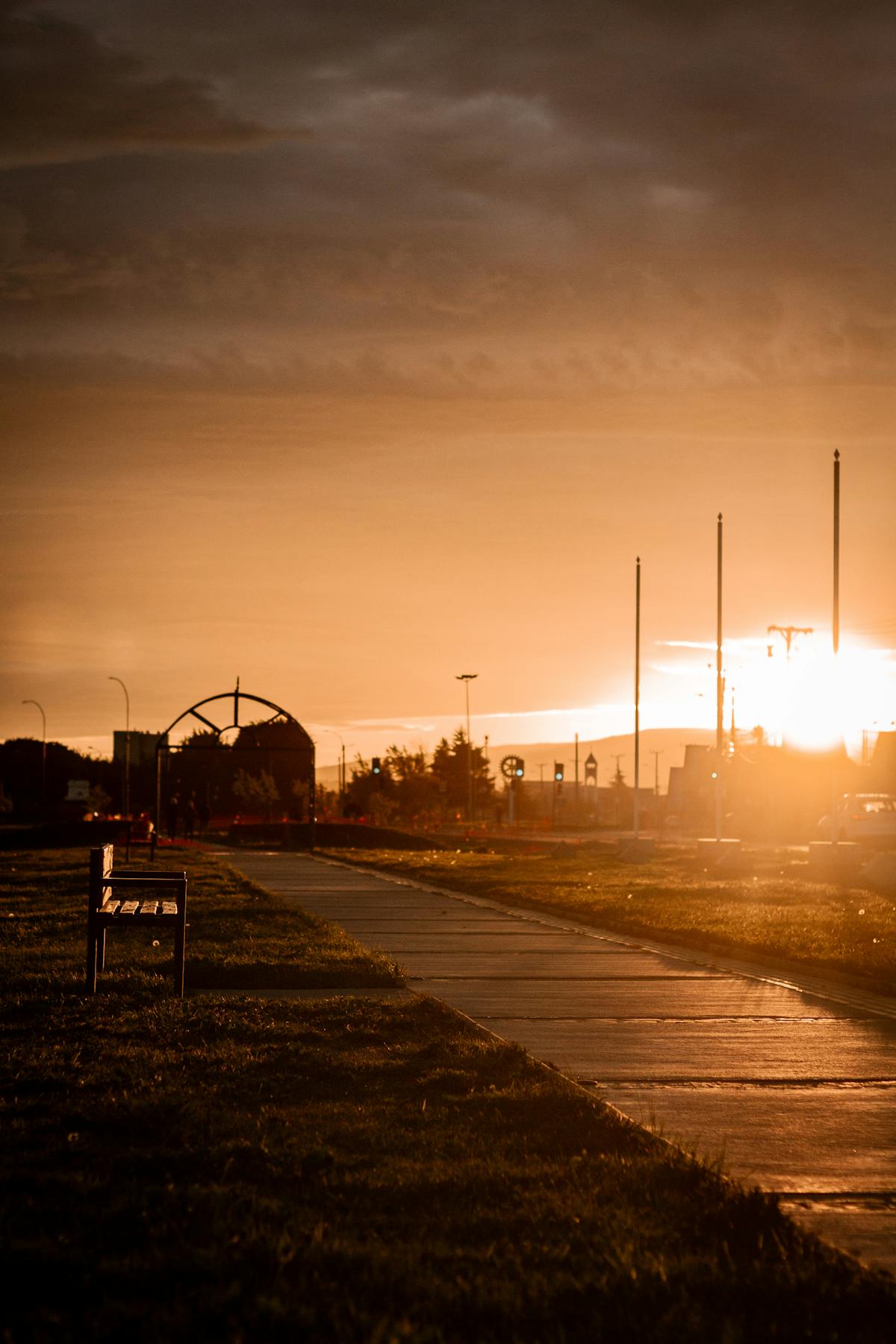
The Plaza Munoz Gamero is a few blocks inland and serves as the center of town. There is a bronze statue of Magellan here, and local tradition says touching the toe of the indigenous figure at the base means you will return someday. I touched it. The toe is polished smooth and gold from decades of travelers doing the same thing. A small ritual at the end of the continent.
Isla Magdalena and the Penguins (The Reason Most People Come)
Let me be honest: I am not usually a wildlife person. I have sat through enough boat tours watching distant dots on rocks to know that the photos never look like the brochure. Isla Magdalena changed my mind about that completely.
The island sits about two hours by boat from Punta Arenas, out in the Strait of Magellan, and between October and March it is home to roughly 60,000 breeding pairs of Magellanic penguins — one of the best wildlife encounters in all of Chilean Patagonia. Sixty thousand pairs. When the boat approaches the island, you see them from a distance as a kind of moving carpet on the hillside, and then you get closer and realize each speck is a penguin. They are everywhere. On the beach, on the trail, in burrows dug into the earth, waddling across the path six inches from your feet.
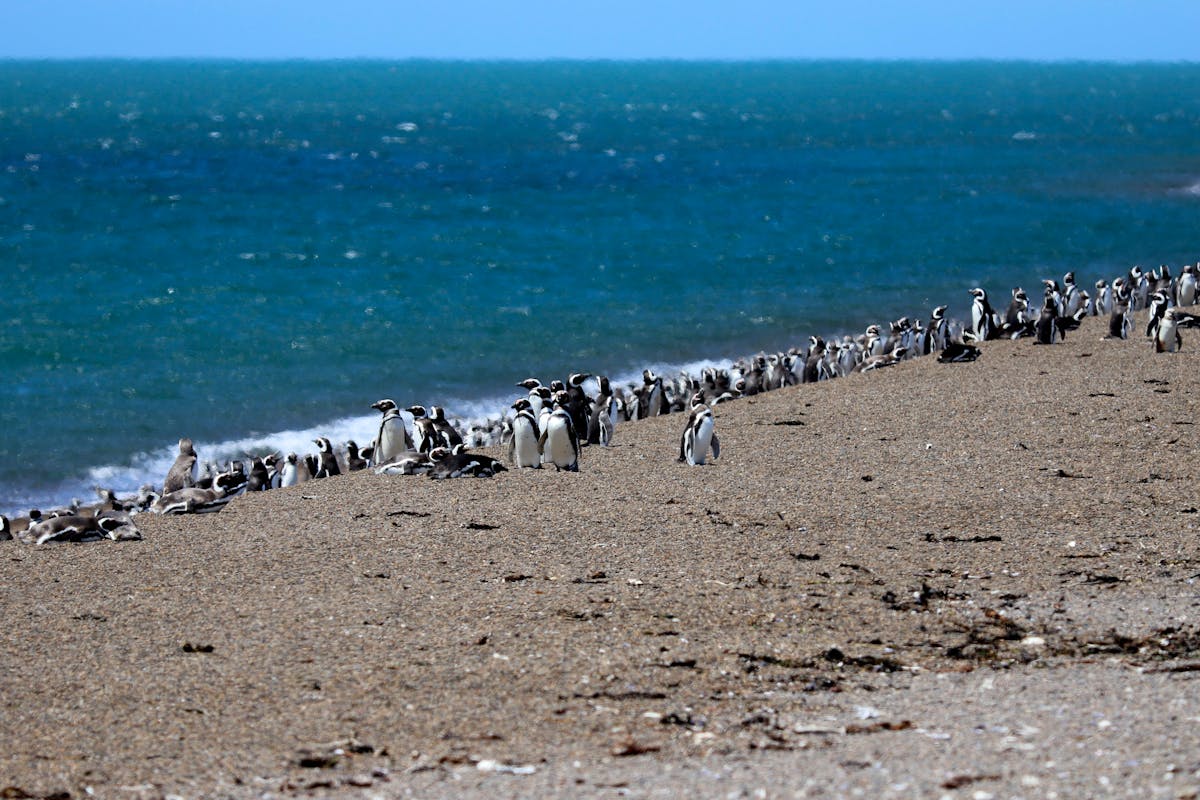
You get about an hour on the island, walking a marked loop trail through the colony. The penguins ignore you entirely. They are busy — feeding chicks, arguing with their neighbors, staring at the ocean with what I can only describe as existential intensity. A few walked directly across my path and I had to stop and wait, which is the correct etiquette. They have right of way. One stood on the trail about a meter from me, turned, and made eye contact for a solid five seconds. I have no idea what it was thinking. I took thirty photos.
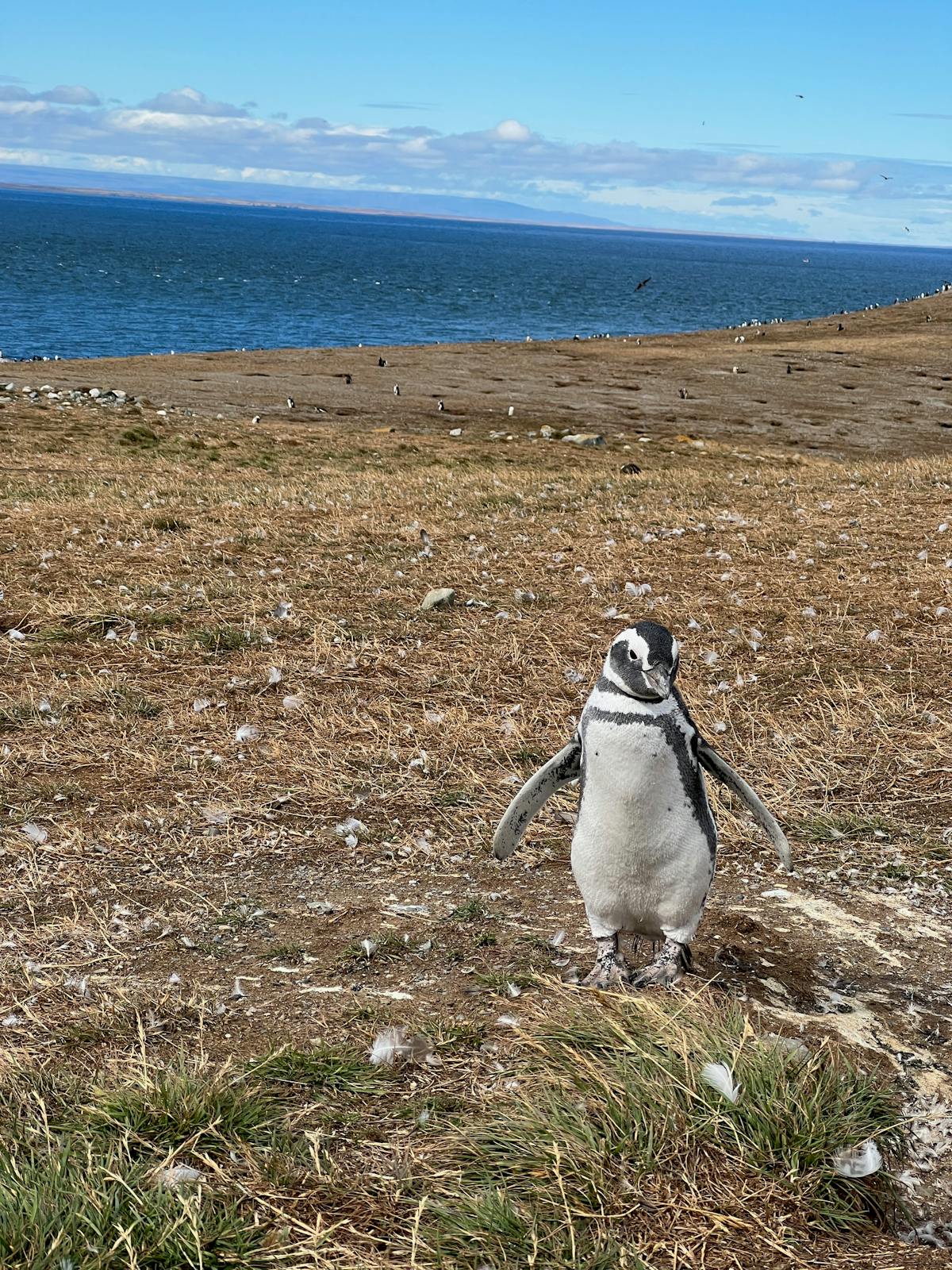
The tours run from roughly November through March — penguin breeding season. I went in January, which is peak summer and peak penguin activity. The boat ride can be rough if the strait is choppy, and it often is. Take motion sickness medication if you are even slightly prone to seasickness. The person sitting next to me on the return trip had not, and I will leave it at that.
Quick Tip
Book the Isla Magdalena tour at least a few days in advance during December-February. Tours get cancelled frequently due to wind and wave conditions — having flexibility in your dates gives you a backup window. Most operators will rebook you for the next available day at no charge. Budget at least two days in Punta Arenas to account for cancellations.
There is also a smaller penguin colony at Seno Otway, about an hour north of town by road. Otway is easier to reach — it is a land-based visit, no boat required — but the colony is smaller and the experience is less immersive. If your Magdalena tour gets cancelled and you are running out of days, Otway is a solid backup. But Magdalena is the one you want.
The Cemetery That Deserves More Than Five Minutes
I almost skipped the Cementerio Municipal Sara Braun. A cemetery? In Punta Arenas? I had penguins to see and king crab to eat. But my hostel owner — an older woman who had lived in Punta Arenas her entire life — said it was the most important place in the city, and the way she said it made me feel like skipping it would be an insult. So I went.
She was right. The cemetery is extraordinary. It dates back to 1894 and it reads like a physical encyclopedia of every wave of immigration that passed through the Strait of Magellan. Croatian surnames. English surnames. German surnames. Spanish, of course, but also names from places I had to look up later. The wealth that once flowed through this city — wool money, shipping money, gold rush money — is visible in the mausoleums. Some of them are the size of small houses, with stained glass and ironwork and imported marble. Others are modest crosses with faded inscriptions in languages I could not identify.
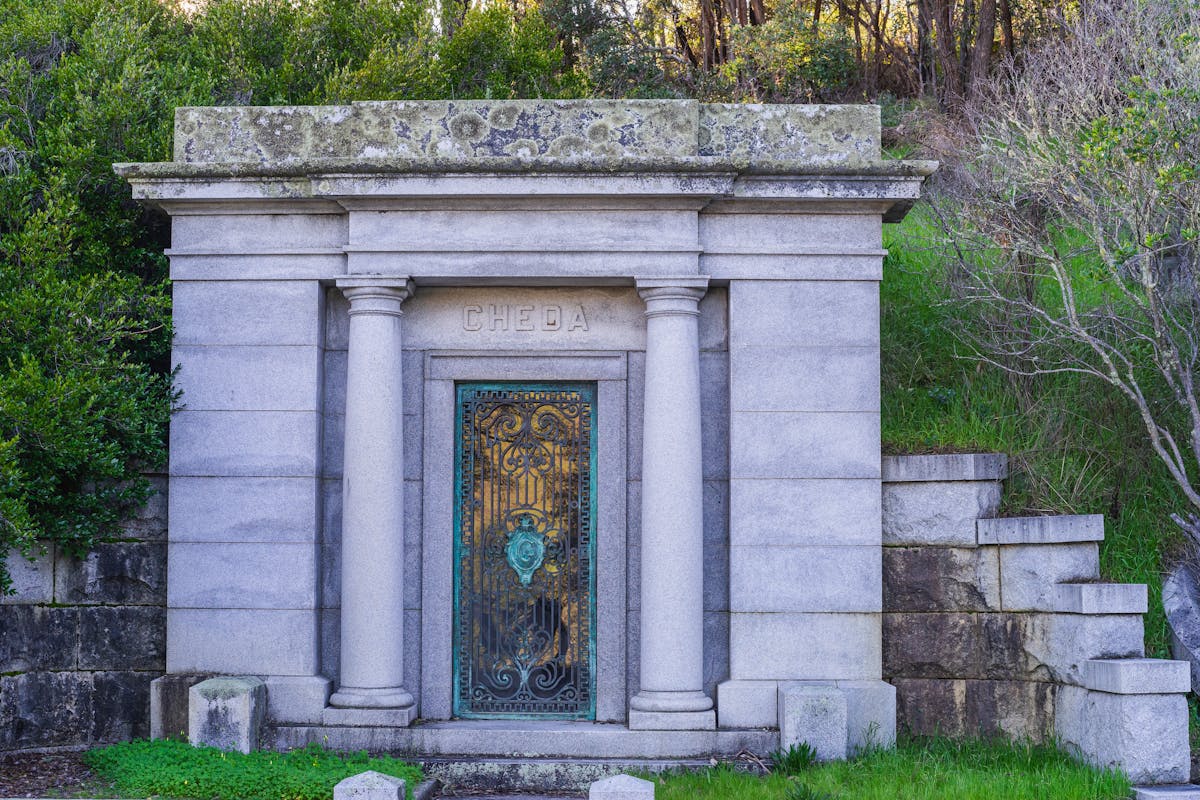
The cypress trees form a canopy over the pathways, and on the afternoon I visited, the wind had dropped for once and it was genuinely peaceful. I spent over an hour reading inscriptions and piecing together stories from dates and names. A family of seven, all buried within a decade. A single grave with a ship carved into the headstone. A row of identical white crosses with no names. This place tells you more about Patagonia's history than any museum.
The cemetery is free and open during daylight hours, about a ten-minute walk north of the plaza along Avenida Bulnes. Go in the afternoon — the light through the cypress trees is better and the morning tour buses have cleared out.
Palacio Sara Braun and the Regional Museum (the Wool Baron Era)
Punta Arenas had a moment. In the late 1800s and early 1900s, before the Panama Canal opened in 1914, every ship traveling between the Atlantic and Pacific had to pass through the Strait of Magellan or risk the nightmare that is Cape Horn. Punta Arenas was the last port of call. Money poured in. Wool estancias spread across the Patagonian steppe. And the families who controlled that trade built mansions on the plaza.
The Palacio Sara Braun is the most impressive survivor. It sits on the northwest corner of the Plaza Munoz Gamero, and from the outside it looks like someone picked up a French mansion and dropped it at the bottom of South America. Sara Braun was the widow of a wool magnate, and she spent a portion of his fortune building a palace that would not have looked out of place in Paris. The interior has been partially converted into a hotel and club, but you can visit parts of it. Painted ceilings. Marble floors. Wildly out of proportion with the windswept, corrugated-iron city around it, and that contrast is exactly what makes it interesting.
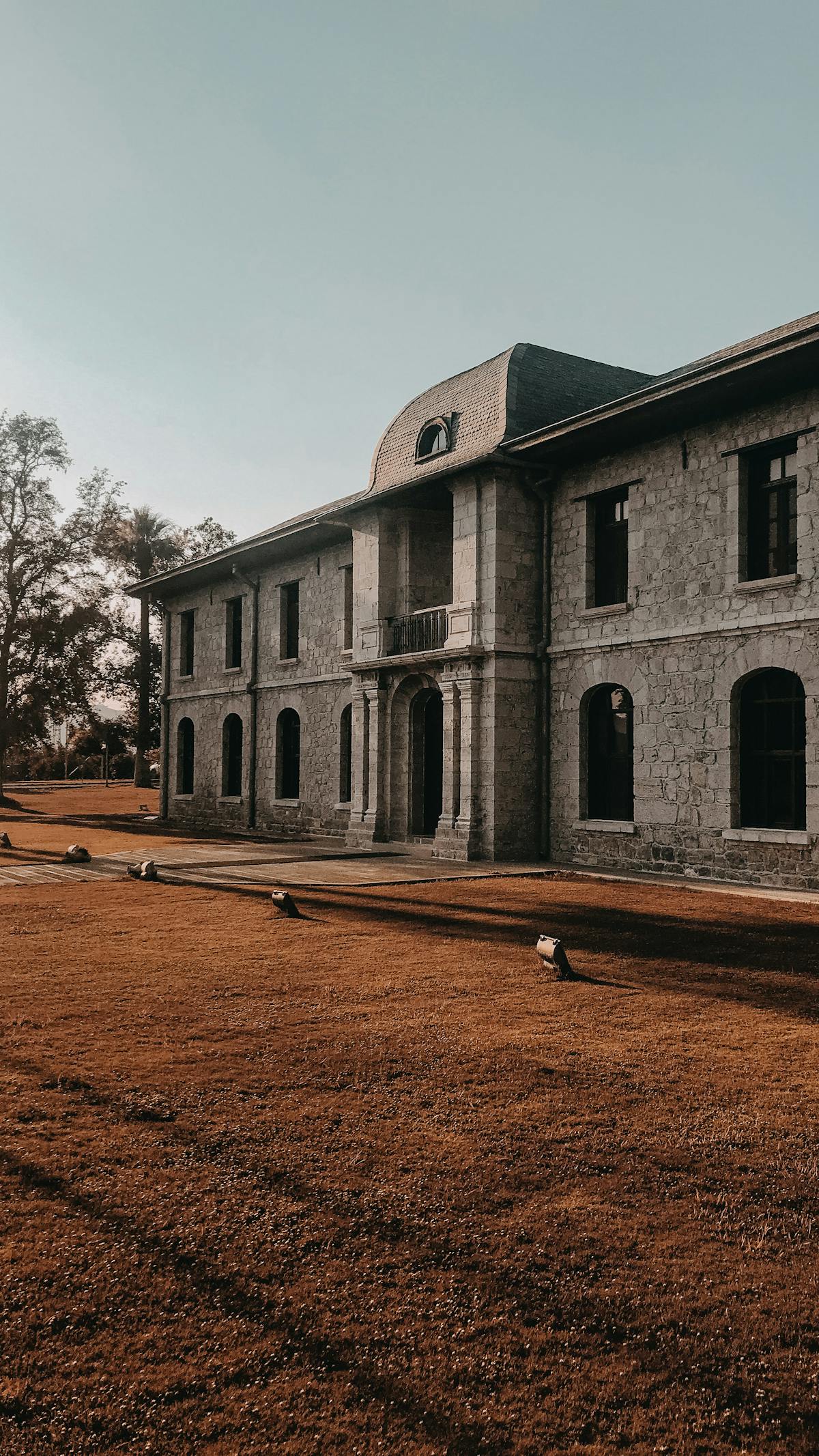
Around the corner, the Museo Regional de Magallanes occupies another former mansion and covers indigenous peoples, European colonization, the wool trade, and the impact of the Panama Canal on the city's fortunes. Not a world-class museum, but it gives context to everything else you see. When you walk out and look at the grand buildings around the plaza, you understand why they exist and why the city feels like it peaked a century ago. Entry is a few thousand pesos — check our money guide for rates. It closes for lunch midday.
Centolla: The King Crab That Justifies the Trip
I need to talk about the crab. Centolla — southern king crab, pulled from the frigid waters of the Strait of Magellan — is the signature food of Punta Arenas, and eating it here is a different experience from eating it anywhere else. This is where it comes from. The crab on your plate was probably in the water that morning. The meat is sweet, dense, and cold-water clean in a way that king crab from a freezer case in a northern hemisphere supermarket simply is not.
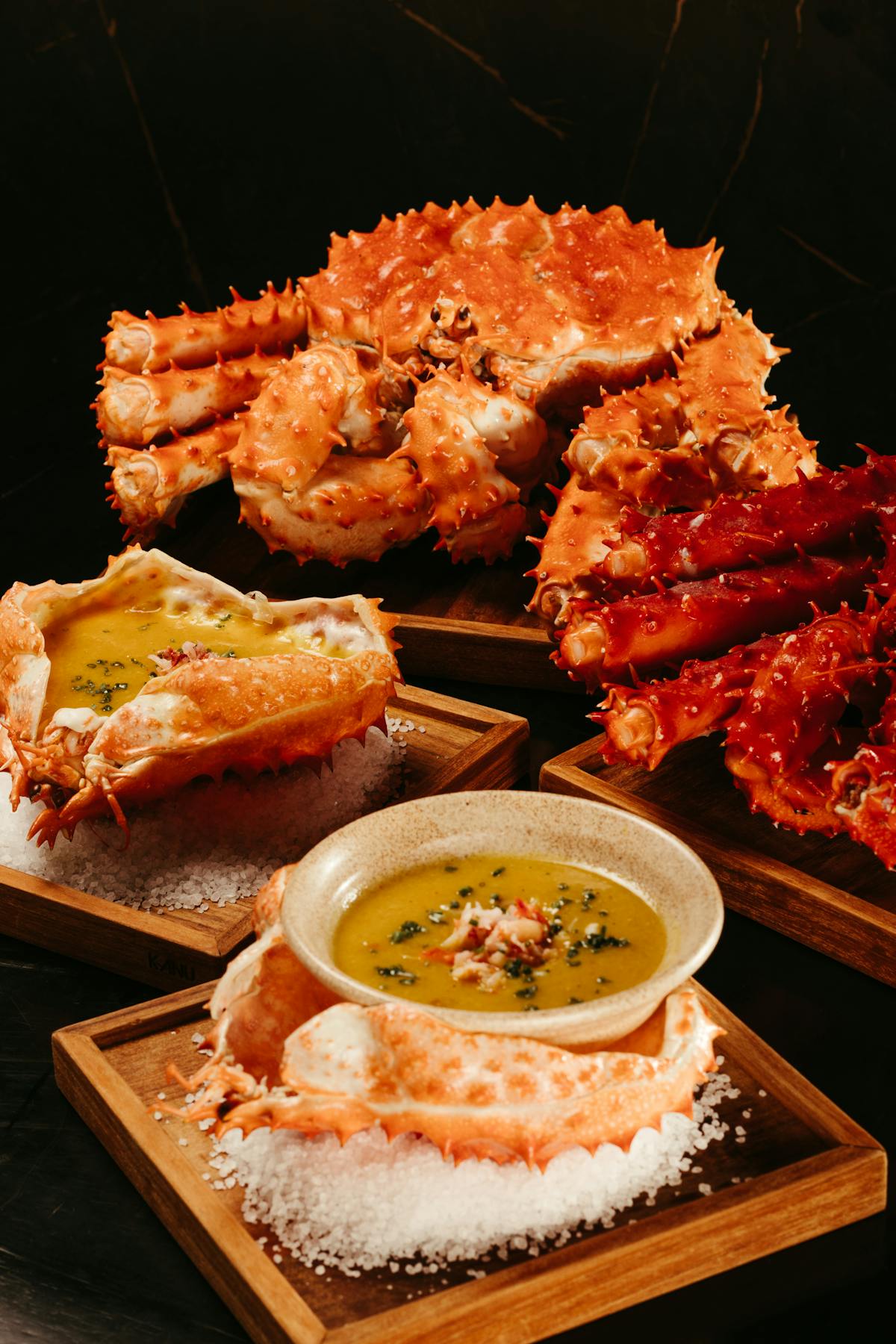
The classic preparation is centolla al natural — cold crab meat, lightly dressed, maybe with a squeeze of lemon and some mayonnaise on the side. That is it. No bread bowl, no pasta, no heavy cream sauce. Just crab. Some restaurants do a hot version — centolla a la parmesana, gratineed with cheese — and while it is good, it masks the quality of the meat. Start with the natural preparation at least once.
Expect to pay $15,000 to $25,000 Chilean pesos for a plate, depending on the restaurant and portion. Not cheap by Chilean standards, but far less than comparable king crab in North America or Europe. Centolla empanadas are also excellent and cheaper — a good lunch option. The restaurants near the port area tend to be the most straightforward — laminated menus, fluorescent lighting, crab that was on the boat this morning. The fancier places on the plaza are fine, but you are paying for the tablecloth.
Quick Tip
Centolla season runs from roughly July through November, when the crabs are largest and most plentiful. You can get it year-round in restaurants (often frozen from the season), but if you want the freshest possible crab, time your visit accordingly. I went in January and still had excellent fresh centolla — the season varies slightly by year.
Zona Franca: The Strangest Shopping Mall in Patagonia
The Zona Franca is a duty-free shopping zone on the northern edge of town — a massive, warehouse-style complex where Chileans from all over the south come to buy electronics, clothing, and household goods at reduced prices. The government designated it as a special economic zone decades ago to keep the population from draining north. On the day I visited, the parking lot was packed and families were loading flat-screen TVs into rental cars. It felt less like a tourist attraction and more like a social experiment in how tax policy shapes a city.
For you as a visitor, the practical use is limited unless you need a cheap jacket (possible — the wind might have destroyed yours) or want to buy Chilean wine at duty-free prices. But walking through for thirty minutes gives you something no museum can: a sense of what daily life looks like for people who live here year-round, in a city where the nearest major shopping is a three-hour flight north.
The Wind Is Not a Side Note (It Is a Character)
Every article about Punta Arenas mentions the wind. I am going to mention it again because no written description prepares you for what Patagonian wind actually feels like. This is not something you read about and then nod when you experience it. This is something that physically rearranges your plans.
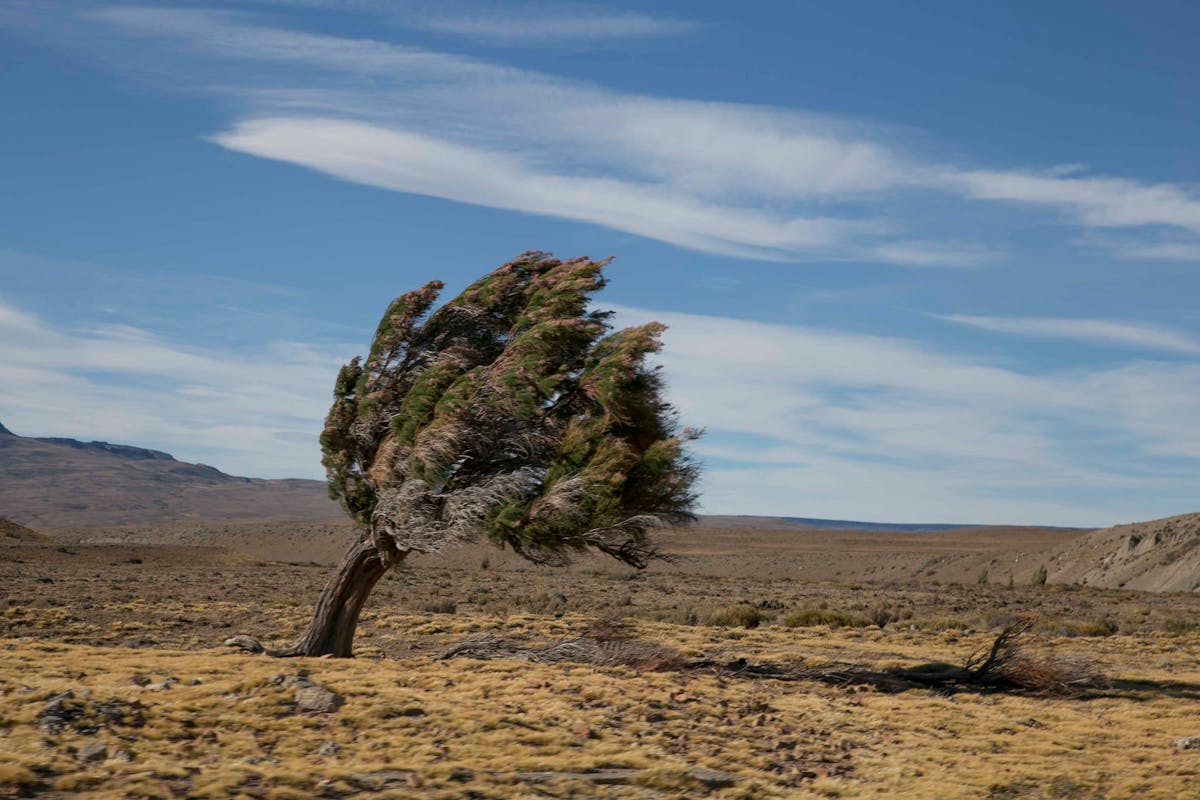
In summer, 40-50 km/h is a normal day. Gusts of 80-100 km/h happen regularly. I watched a metal sign tear off a shopfront and skip down the street like a frisbee. A cafe owner told me, completely deadpan, that the wind "keeps the tourists honest." She was not wrong.
What this means practically: doors are heavy and spring-loaded. Walking the costanera on a windy day is an athletic activity. Photography requires bracing yourself against a wall. And any boat tour — including the penguin trip to Isla Magdalena — can be cancelled at short notice if conditions are too rough. Bring a proper windproof shell layer. Not a fashion jacket, not a fleece — a hard shell that blocks wind completely. Also bring something for your ears. The wind finds exposed skin instantly. Check our seasonal guide for month-by-month conditions.
Gateway to Tierra del Fuego (and the End of the Continent)
For many travelers, Punta Arenas is the jumping-off point for Tierra del Fuego — the archipelago at the southern tip of South America that Chile and Argentina split between them. The crossing is an experience in itself.
The route involves a ferry crossing of the Strait of Magellan at Primera Angostura, which takes about twenty minutes. The ferry is basic — a flat-bottomed barge with space for trucks and buses — and you are crossing the same strait that broke European minds five hundred years ago, on a vessel that feels like it has been doing this since the 1970s.
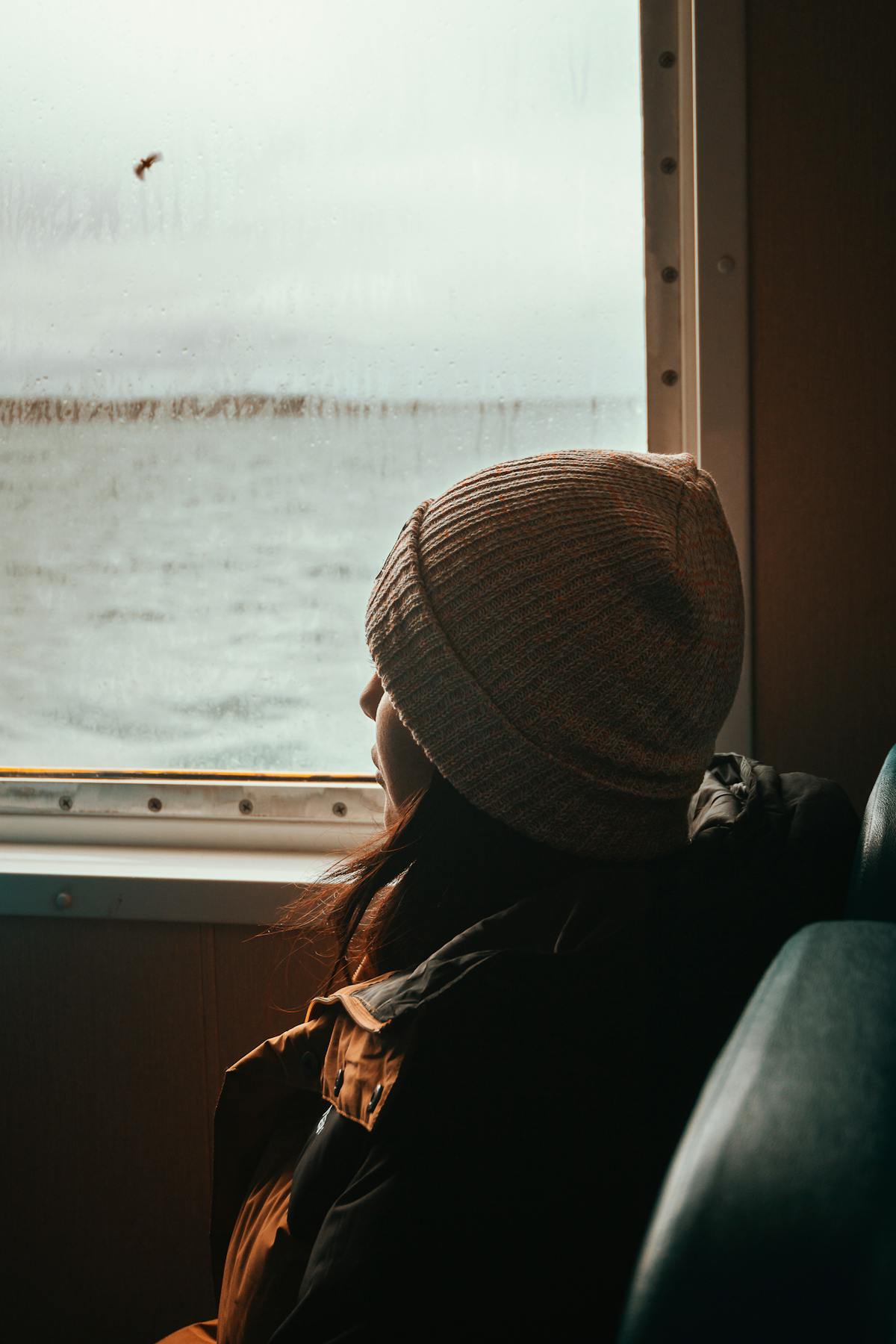
From Porvenir, you can continue overland to the Argentine border and eventually reach Ushuaia. The full journey takes about twelve hours by bus — ferry, border crossing, and a lot of steppe. Not comfortable. But the landscape is wind-scoured and empty in a way that recalibrates what "remote" means. If you are building a Patagonia itinerary, the overland route is worth the discomfort.
Punta Arenas is also where most Antarctic expeditions depart from or resupply. You will see expedition ships in the port and people in matching jackets walking around town looking simultaneously excited and nervous. Some fly-cruise operators now fly from Punta Arenas to King George Island in the South Shetlands, skipping the Drake Passage entirely. I have not done it. I want to. It is the trip that keeps pulling me back toward this city.
What Else Is Worth Your Time
The Nao Victoria Museum
A few kilometers north of the city center, this open-air museum features life-size replicas of historic ships, including Magellan's Victoria — the first ship to circumnavigate the globe. I expected it to be cheesy. Standing on the deck gives you a visceral understanding of how small these ships were. Magellan's crew crossed the Pacific on something the size of a large fishing boat. Also has a replica of the James Caird, Shackleton's lifeboat. Worth an hour.
Mirador Cerro de la Cruz
The viewpoint on the hill above town — a short, steep walk from the center — gives you a panoramic view of Punta Arenas with the strait behind it and, on clear days, Tierra del Fuego in the distance. Go in the late afternoon for the best light. The view is the classic orientation shot: colorful rooftops, the strait, the sky, and wind. Always wind.
A Day Trip to Fort Bulnes
About 60 kilometers south of town, Fort Bulnes is a reconstruction of the original 1843 Chilean settlement built to claim sovereignty over the strait. The fort is modest — wooden buildings, a chapel, a flagpole — but the location is dramatic, on a headland above the water. The day I visited, the flag was horizontal. You can visit independently with a rental car or join a half-day tour from town.
Getting There, Getting Around, and How Long to Stay
Punta Arenas has an airport (Carlos Ibanez del Campo, code PUQ) with daily flights from Santiago, usually via LATAM or JetSMART. The flight takes about three and a half hours. There are also flights from Puerto Montt and occasional connections to other Patagonian cities. From Puerto Natales, it is about three hours by bus — Buses Fernandez and Bus-Sur run the route multiple times daily.
In town, everything is walkable. The center is compact and flat, and unless you are heading to the Zona Franca or the Nao Victoria museum, you do not need transport. Renting a car makes sense only for Fort Bulnes, Seno Otway, or the drive north toward the ferry crossing. Check our full transport guide for bus companies, flights, and rental options.
| Expense | Cost (CLP) | Notes |
|---|---|---|
| Hostel dorm bed | $12,000-18,000 | Several good options near the plaza |
| Budget hotel double | $35,000-55,000 | Heated rooms are not optional |
| Isla Magdalena penguin tour | $45,000-65,000 | Includes boat, guide, 1 hour on island |
| Seno Otway penguin visit | $15,000-20,000 | Transport + entry, shorter visit |
| Centolla plate (natural) | $15,000-25,000 | The reason you are here |
| Set lunch (menu del dia) | $5,000-8,000 | Available at most local restaurants |
| Bus to Puerto Natales | $8,000-12,000 | 3 hours, multiple daily departures |
| Regional museum entry | $2,000-3,000 | Closed for lunch midday |
How Many Days?
Most people give Punta Arenas one night on the way to somewhere else. That is enough to see the plaza, walk the waterfront, and eat centolla. Two nights lets you do the penguin tour with a weather buffer day. Three nights is what I would recommend if you actually want to get a feel for the place — penguins, cemetery, museum, a slow afternoon on the costanera, and enough time to eat centolla more than once. You will not regret the extra day.
If you are connecting to Torres del Paine via Puerto Natales, the most common route is to fly into Punta Arenas, spend a night or two, then bus to Puerto Natales for the trek. Read the W Trek guide for details on that leg. If you are heading to Tierra del Fuego or Ushuaia, Punta Arenas is your last Chilean stop before the crossing.
Quick Tip
The wind is generally worst in the afternoons. If you want to walk the costanera or visit the cemetery in relative peace, go in the morning. By 2pm the gusts pick up significantly and do not ease until evening. This is especially true in summer (December-February).
The City Nobody Plans For (and Everyone Remembers)
The travelers who rush through Punta Arenas always describe it the same way: "cold, windy, just a transit stop." The ones who stay a day or two longer say something different. They mention the penguins, sure. But they also talk about the cemetery, the crab, the way the light hits the strait at 10pm in January when the sun still will not set. They talk about the wind like it is a person they met.
Punta Arenas is not the highlight reel of a Patagonia trip. It does not have the granite towers or the glaciers. What it has is a different kind of weight — a real place, with layers of history in the ground and a strait full of ships and a wind that has been blowing since before anyone was keeping records. Give it time. Walk the waterfront. Eat the crab. Touch the toe of the statue. And when the wind shoves you sideways for the twentieth time, lean into it. That is Punta Arenas.