Punta Arenas sits on the western shore of the Strait of Magellan at the southern tip of continental South America. For centuries it was the last stop before Antarctica and the only passage between the Atlantic and Pacific oceans. Today it is a wind-battered city of 130,000 that serves as the gateway to Tierra del Fuego, the penguin colonies of Isla Magdalena, and — for those with the budget — expedition cruises to Antarctica.
What to See
Plaza Muñoz Gamero is the central square, dominated by a bronze statue of Magellan with a Tehuelche indigenous figure at his feet. Local tradition says you should kiss or touch the foot of the native figure for good luck and a guaranteed return to Patagonia. The square is surrounded by grand mansions built by wool barons during the sheep-ranching boom of the late 1800s.
Cementerio Municipal is worth a visit for the elaborate cypress-hedged avenues and mausoleums of the city's founding families — Croatian, British, and Spanish immigrants who built their fortunes here. It is one of the most atmospheric cemeteries in South America.
Museo Regional Braun Menendez occupies one of the wool-baron mansions and preserves the original furnishings — imported from Europe at enormous expense to a city that was, at the time, one of the most remote on earth.
Nao Victoria Museum has a full-size replica of the first ship to circumnavigate the globe — Magellan's Victoria — plus replicas of the Beagle (Darwin's ship) and the James Caird (Shackleton's lifeboat). It is outside the city center but worth the taxi ride.
Isla Magdalena Penguins
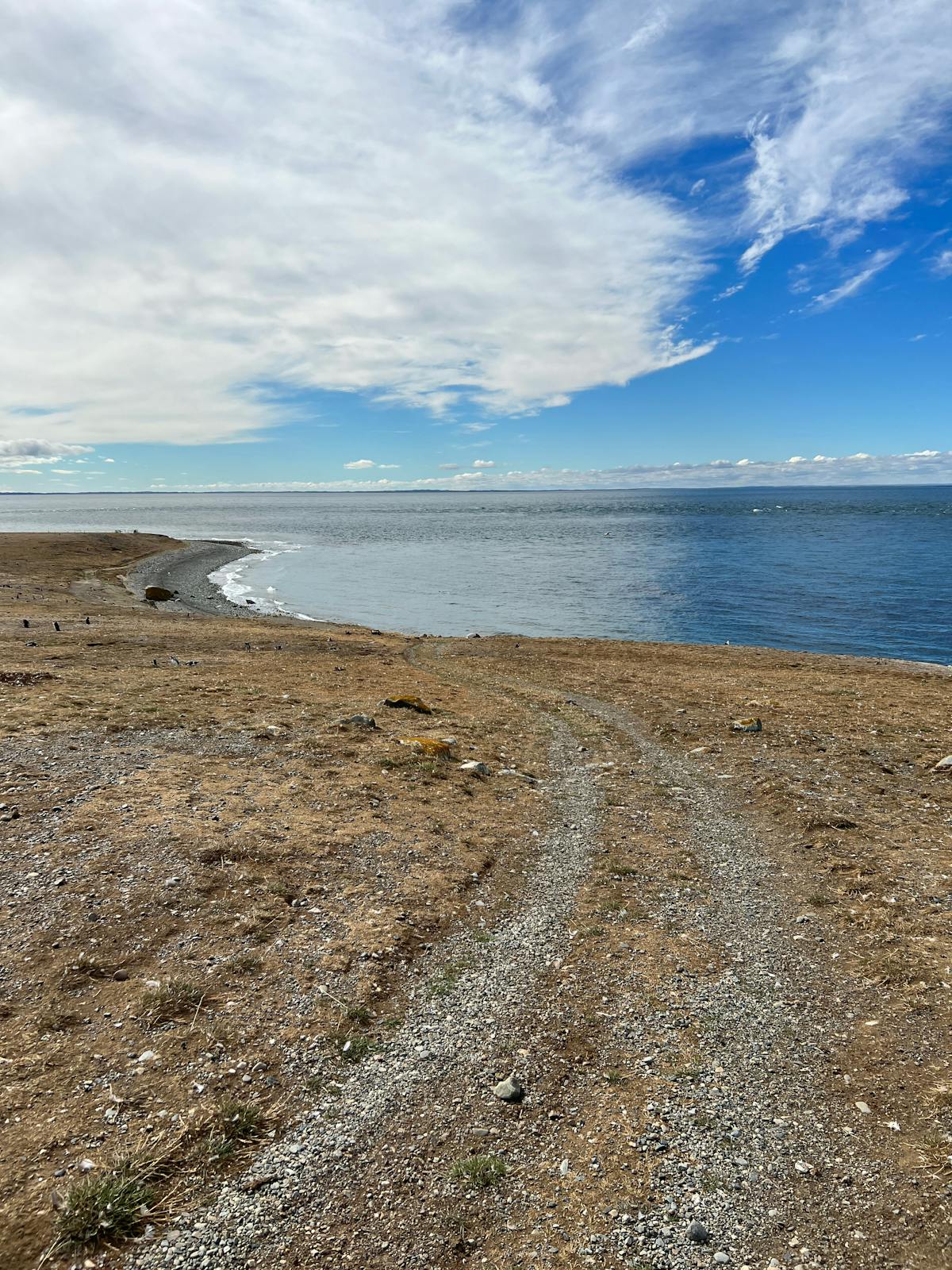
From November through January, over 100,000 Magellanic penguins nest on Isla Magdalena in the Strait of Magellan. Tour boats leave from the Punta Arenas port (2 hours each way, about 1 hour on the island). You walk a marked path through the colony — penguins waddle past at arm's length, seemingly unbothered by visitors. Book through Comapa or Solo Expediciones. Tours cancel in bad weather, which is frequent — build flexibility into your schedule.
Zona Franca
Punta Arenas has a duty-free zone (Zona Franca) with electronics, outdoor gear, and alcohol at tax-free prices. The outdoor clothing shops are useful if you forgot a base layer or need to upgrade your rain gear before heading to Torres del Paine. Prices are cheaper than Santiago for imported goods.
As a Gateway
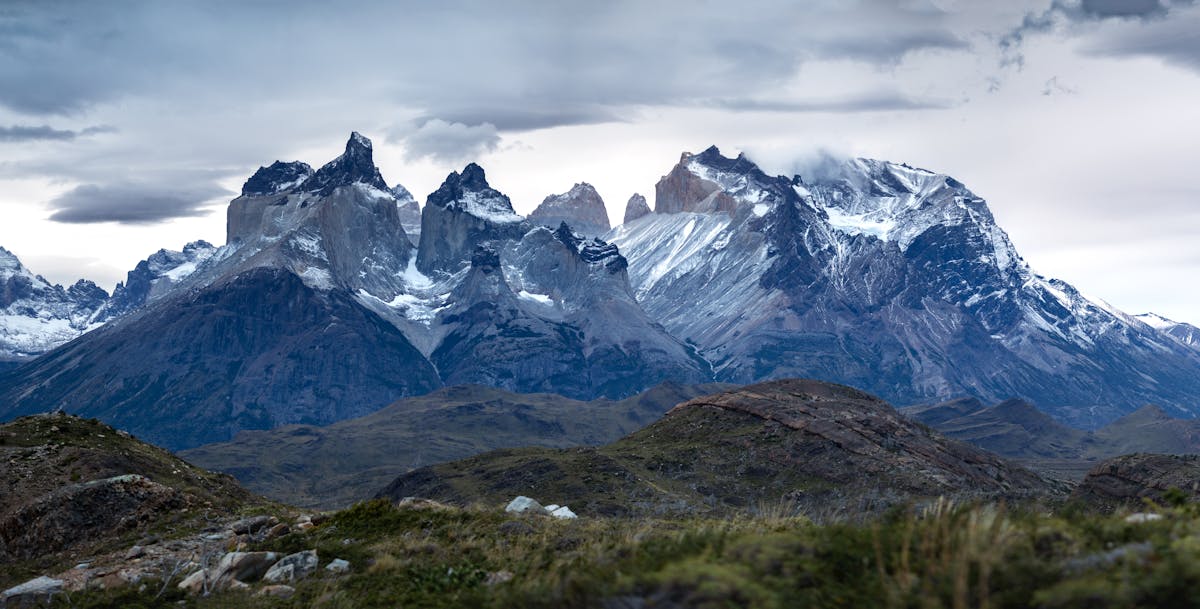
To Torres del Paine: Buses to Puerto Natales leave several times daily (3 hours). Most trekkers pass through Punta Arenas only to catch the bus south.
To Tierra del Fuego: The ferry across the Strait of Magellan leaves from Punta Arenas or Primera Angostura (2 hours north). The crossing takes about two hours.
To Antarctica: Several expedition cruise operators depart from Punta Arenas, and flights to the Chilean Antarctic base on King George Island leave from the airport. Antarctica cruises run from November through March and start around $8,000-15,000 per person.
Practical Information
Weather: Wind is the defining feature. Punta Arenas is windy year-round — gusts regularly exceed 100 km/h. Summer temperatures hover around 10-15°C. Dress in layers that block wind.
Getting there: Fly from Santiago to Presidente Carlos Ibanez Airport (PUQ) — about 3.5 hours. LATAM and SKY operate daily flights. The airport is 20 kilometers north of the city center.
Where to eat: The waterfront restaurants serve king crab (centolla) — the local specialty. A whole crab, steamed and served cold with mayo, is the classic preparation. Expect to pay $25-40 for a full centolla at a good restaurant.