This article contains affiliate links. If you book through them, I earn a small commission at no extra cost to you.
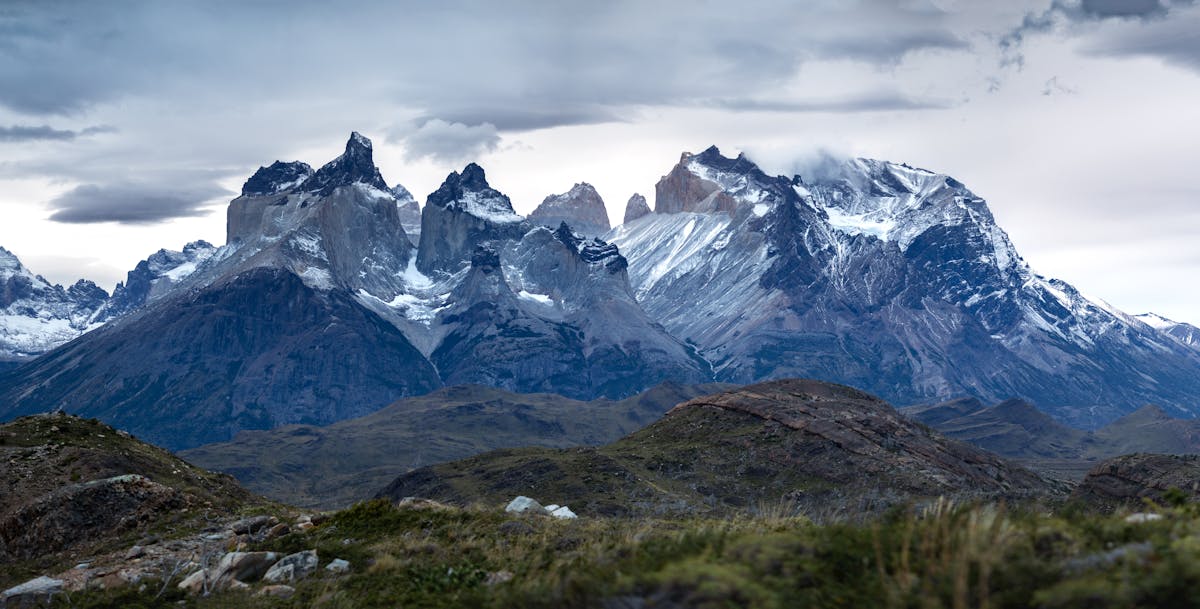
The granite towers appeared all at once. One second I was staring at my boots, picking my way up the final boulder field, breathing hard and regretting every decision that led to a 4:30am alarm. The next second I looked up and there they were — three sheer columns of rock punching through a collar of cloud, lit orange and pink by a sun that had barely cleared the horizon. The wind was so strong I had to brace a hand against the rock beside me. Someone behind me said a word that isn't printable here. That about covered it.
I stood at the Mirador Las Torres for maybe forty minutes that morning, getting colder by the second, unable to leave. That single view made the entire trip to Patagonia worth it — and I hadn't even laced up for the other five hikes I had planned.
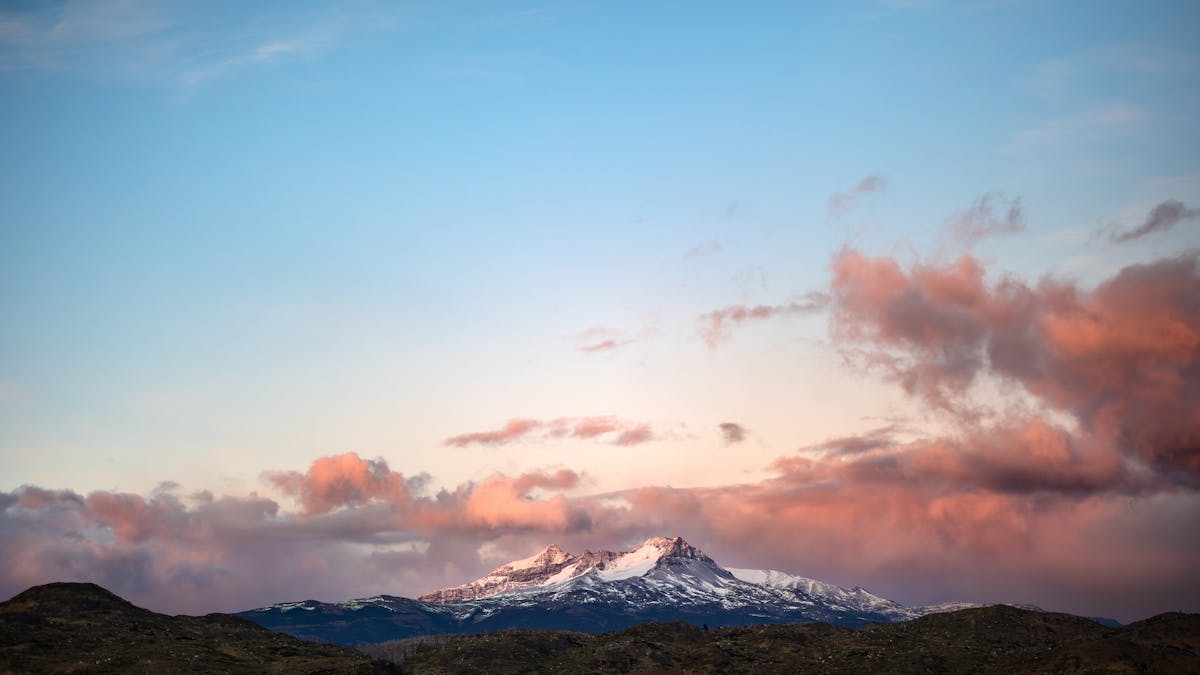
Here is the thing about Torres del Paine: most people associate it with the multi-day W Trek or the full Circuit. But you do not need five days and a heavy pack to experience the best of this park. Some of the finest hikes here are day trips — out and back from the road, no tent required, no booking refugios months in advance. You drive in from Puerto Natales, hike, and drive back out. Simple.
I spent eight days based in Puerto Natales and did every day hike the park has to offer. Some were spectacular. One was honestly forgettable. Here is what I found, ranked roughly by how much they made me stop and stare.
Base Torres (Mirador Las Torres) — The One Everybody Comes For
Distance: 18.4 km round trip | Time: 7-9 hours | Difficulty: Hard
This is the hike. If you do one thing in Torres del Paine, this is it. The trail starts at Hotel Las Torres, climbs through lenga forest along the Rio Ascencio, then delivers you to the base of the three granite towers that give the park its name. The final hour is a steep scramble up a boulder moraine — loose rock, no real path, just cairns and determination.
I started at 5am to catch sunrise at the towers. The park rangers will tell you this is the way to do it, and they are right, but you need to know what you're getting into. The first two hours are in complete darkness. I was alone on the trail with a headlamp and the sound of wind in the trees, and the climb felt endless. By the time I reached the moraine, my legs were already tired and the real scramble hadn't started.
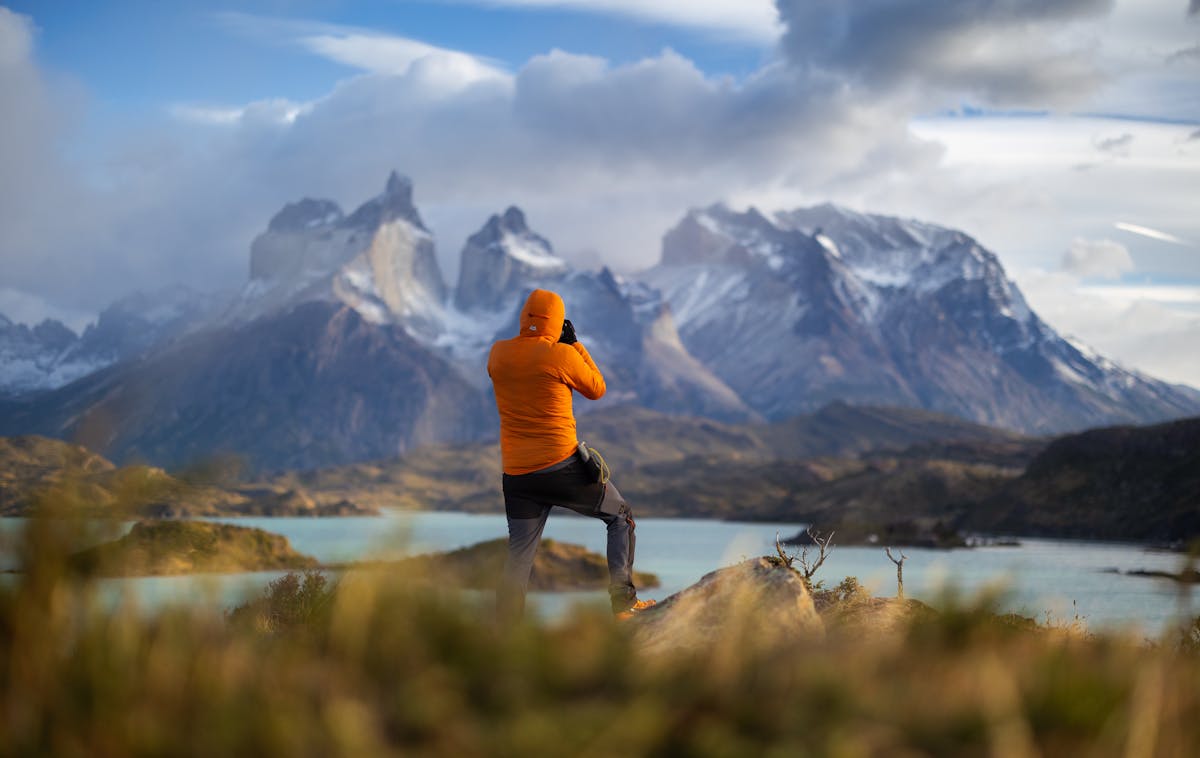
But the payoff. The milky turquoise lake at the base. The towers rising straight up like something from a different planet. The light shifting from pink to gold to white as the sun climbs. I have been to a lot of viewpoints in a lot of countries and this one made me hold my breath.
Honest assessment: this hike is long, tiring, and the final moraine section is genuinely tough if you are not in decent shape. The trail gets crowded by mid-morning — I passed at least sixty people heading up as I was coming down around 10am. If you are not a morning person and can't face the pre-dawn start, go anyway, just expect to share the viewpoint with a lot of other hikers. The towers are still the towers at noon. They just don't glow the same way.
Quick Tip
The trailhead parking at Hotel Las Torres fills up early in peak season. Arrive before 6am or take the park shuttle from the Laguna Amarga entrance. Bring at least 2 liters of water — there is a stream crossing partway up but I wouldn't rely on it being accessible.
Grey Glacier Viewpoint — Ice, Wind, and Silence
Distance: 11 km round trip (from Paine Grande) | Time: 4-5 hours | Difficulty: Moderate
The trail to the Grey Glacier viewpoint follows the western shore of Lago Grey, and the scenery shifts every twenty minutes. You start in scrubby grassland, then climb into forest, then suddenly you're above the treeline looking down at a lake full of icebergs. Actual icebergs, electric blue, drifting in silence. It's the kind of thing that feels like it should be behind a rope at a museum, except the wind is trying to push you sideways and there's no rope, just Patagonia being Patagonia.
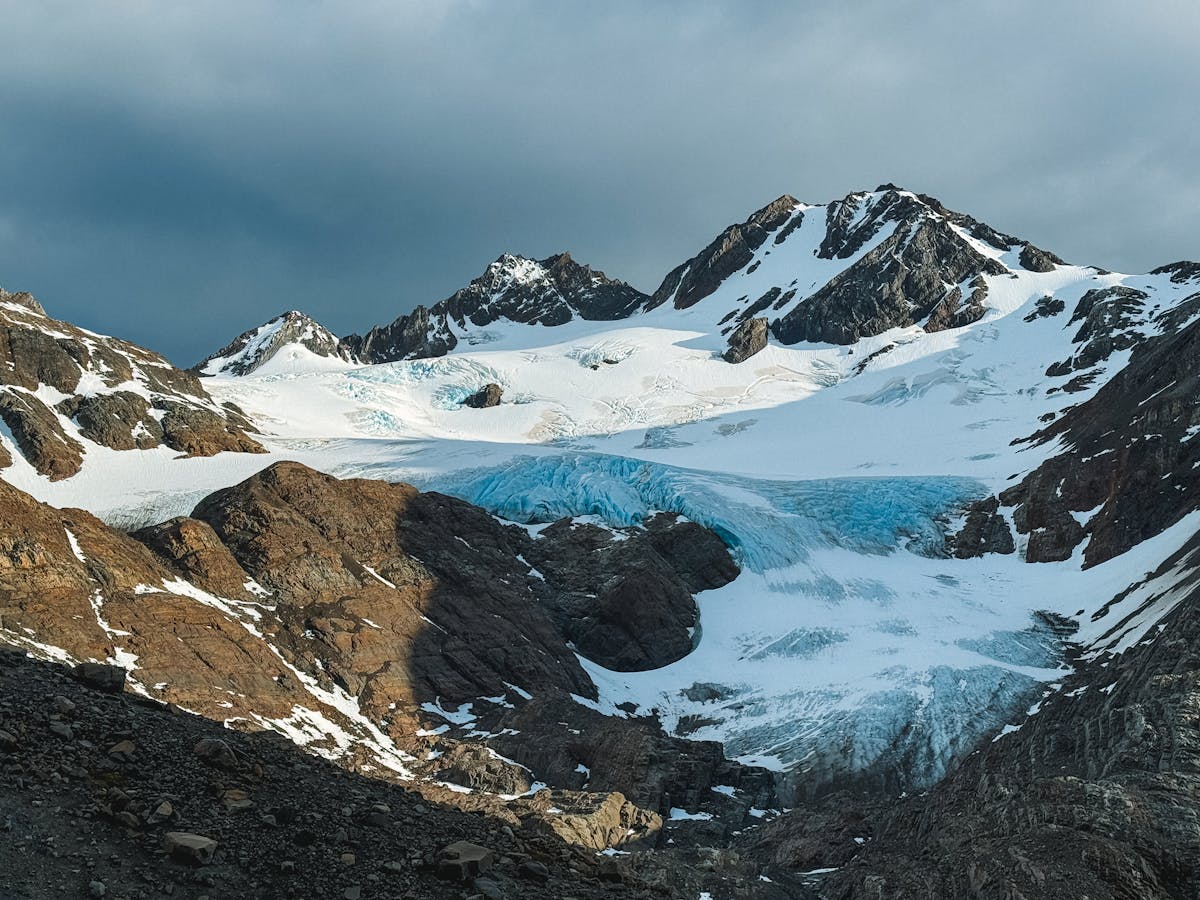
The Grey Glacier itself is enormous — about 6 km wide at its face and 30 meters tall where it meets the water. You can hear it from the viewpoint. Deep groans and cracks that travel across the lake. I stood there for twenty minutes and watched a chunk the size of a car break off and crash into the water. The sound arrived a full second after the splash.
What makes this hike special is the isolation. Base Torres gets all the foot traffic. The Grey Glacier trail, especially in shoulder season, can feel like you have the park to yourself. I saw maybe eight other people the entire day. The downside: the trail from Paine Grande involves a catamaran crossing to reach the trailhead, which adds cost and logistics. But the quiet is worth it.
The Lago Grey Boat + Ice Hike Combo
If you want to get closer to the glacier, there's a boat tour that sails right up to the ice face from the Hosteria Lago Grey. The full-day option includes a boat ride, a short ice hike with crampons on the glacier itself, and a pisco sour served on glacier ice at the end. It costs around 180,000 CLP (roughly $190 USD) and runs about six hours total.
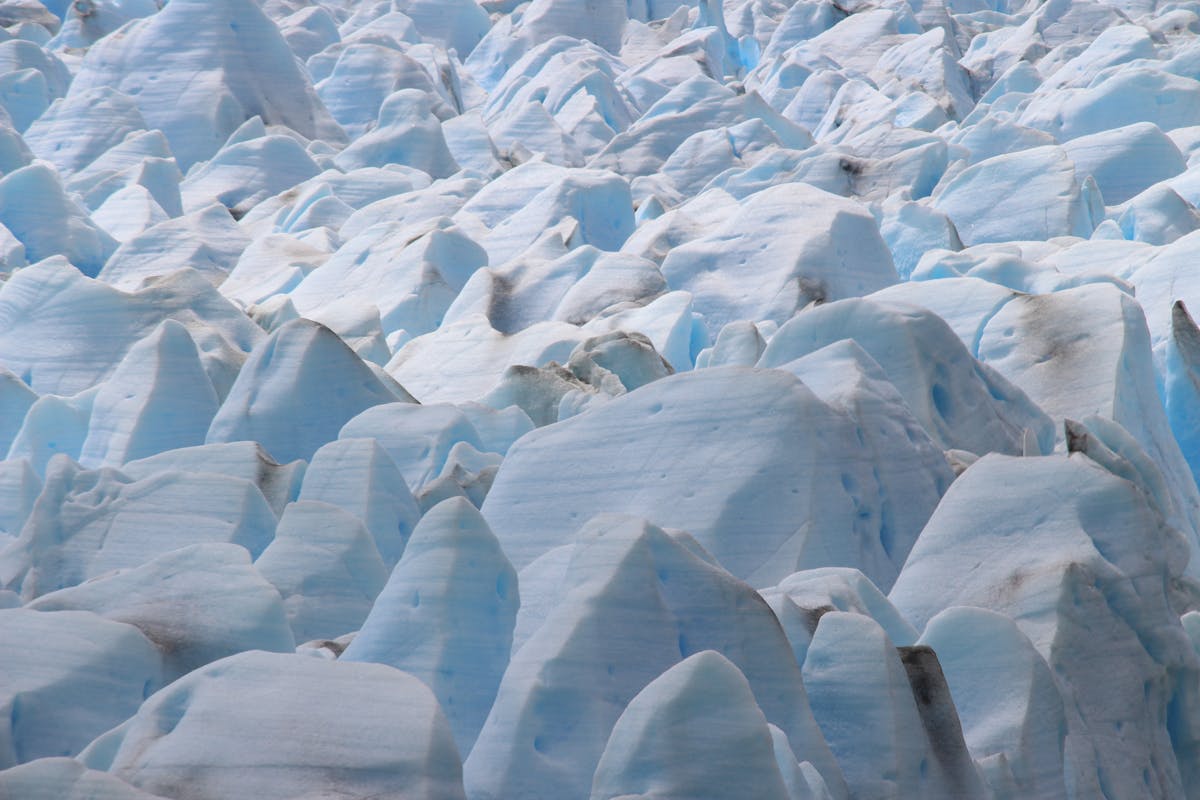
I did the boat-only version (cheaper, about 95,000 CLP) and it was good — the scale of the glacier only becomes real when you're on the water looking up at it. But the ice hike is the one people rave about. If your budget allows it, I'd go for the full combo. You can book through Viator or directly through the hosteria.
Mirador Cuernos — The Most Underrated View in the Park
Distance: 8 km round trip | Time: 3-4 hours | Difficulty: Easy to moderate
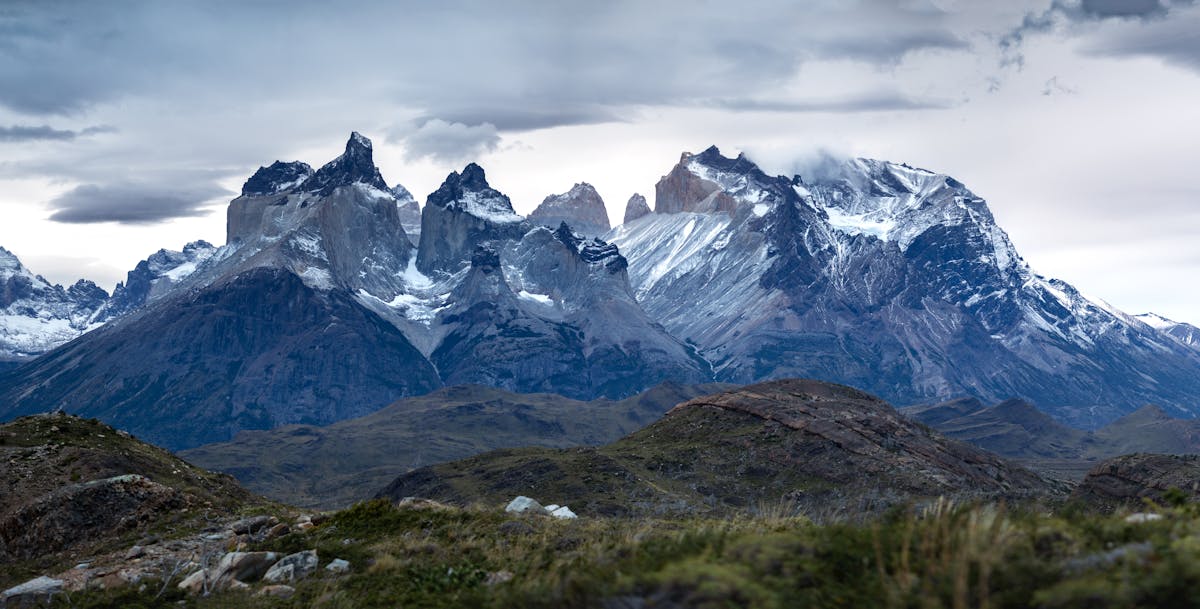
Nobody talks about this hike. That's a shame, because the view of the Cuernos — the twin horn-shaped peaks that sit between the towers and the glacier — is one of the finest in all of Patagonia. The peaks are black granite capped with lighter sedimentary rock, and they look like something a fantasy illustrator would sketch, except real and sharper than any drawing.
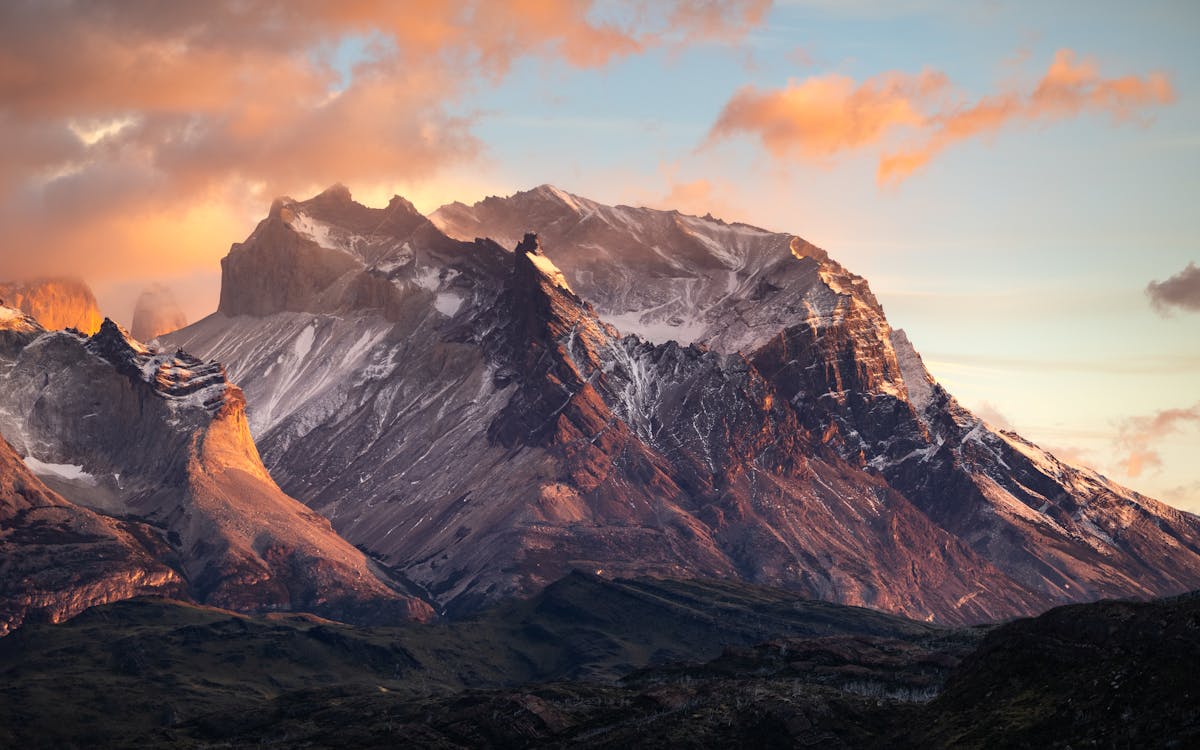
The trail runs from the Pudeto catamaran landing (or from the Paine Grande refugio if you're already on that side) along the north shore of Lago Nordenskjold. It's flat, well-marked, and easy underfoot for the first 3 km, then rises gently to the viewpoint. The Cuernos fill your entire field of vision. Behind you, the lake stretches out in that impossible Patagonian teal color.
I hiked this on a day when I was tired from Base Torres the day before and wanted something shorter. It turned out to be the surprise of the trip. The trail was nearly empty. The light on the horns in the late afternoon was staggering. And because the hike is short and moderate, I actually had energy to sit and take it in rather than collapsing at the viewpoint like I did at Base Torres.
If you're hiking in Chile and want a half-day option that doesn't compromise on scenery, this is the one.
Salto Grande Waterfall — Quick, Easy, and Surprisingly Good
Distance: 1.6 km round trip | Time: 30-45 minutes | Difficulty: Easy
This barely qualifies as a hike. It's more of a walk — a short gravel path from the Pudeto parking area to a thundering waterfall where Lago Nordenskjold drains into Lago Pehoe. But I'm including it because the waterfall itself is more powerful than you expect, and the view from the platform behind it — looking back toward the Cuernos and the Paine massif — is one of the best photo opportunities in the park.
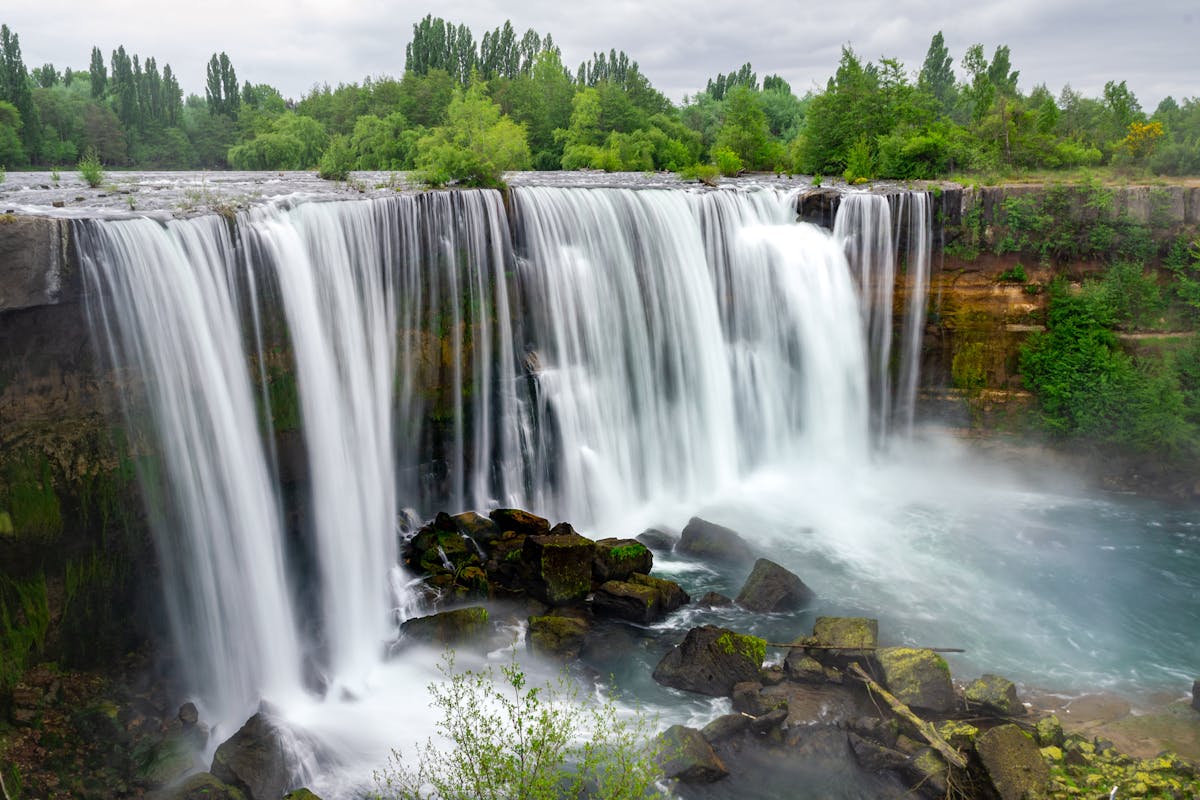
The waterfall is not tall — maybe 10 meters — but the volume of water is enormous. The noise is constant. I visited after a week of rain and the falls were absolutely roaring, the spray drifting fifty meters downwind. On a sunny day with the Cuernos behind it, this is the classic Torres del Paine postcard shot.
Don't skip this just because it's short. Most people drive past on their way to other trailheads. Pull over, walk the fifteen minutes, take a few photos, and move on. It's worth the stop, especially if you combine it with Mirador Cuernos (the trailhead is a short drive away) for a half-day out.
Lago Nordenskjold Lookout — The Quiet One
Distance: 5 km round trip | Time: 2-3 hours | Difficulty: Easy
This is the hike I almost skipped, and I'm glad I didn't. The trail follows the southern shore of Lago Nordenskjold from the Pudeto area eastward, staying low and close to the water. There is no dramatic summit reveal. There is no glacier calving into a lake. What there is: one of the most peaceful stretches of trail in the entire park, wind-bent trees framing the lake, and the full Paine massif reflected in the water on a still morning.
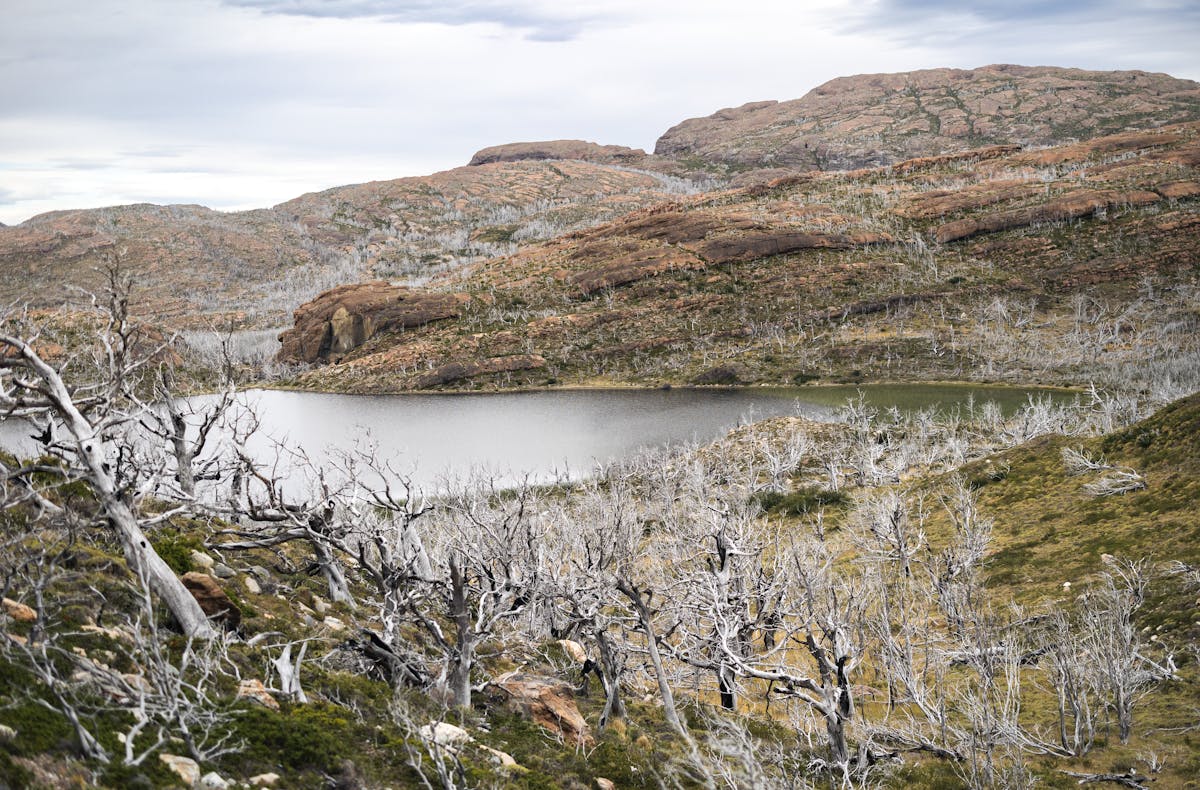
I did this hike at 7am, before the tour buses arrived, and had the entire trail to myself. A guanaco watched me from a ridge for about five minutes, decided I wasn't interesting, and walked off. The light on the water was flat silver. It felt like a completely different park from the chaos of Base Torres.
This is an excellent option if you have a rest day between harder hikes, or if the weather turns bad on the mountain trails (which it will — when to visit matters, but even in peak season the weather does what it wants). The lower elevation and sheltered position mean this trail stays walkable when the high routes are getting battered.
The lookout point at the eastern end gives you a panoramic view of the lake with the Cuernos rising behind. Not the most dramatic viewpoint in the park, but one of the most serene. If you're the kind of person who values quiet over spectacle, you'll like this one more than Base Torres.
If You Only Have One Day
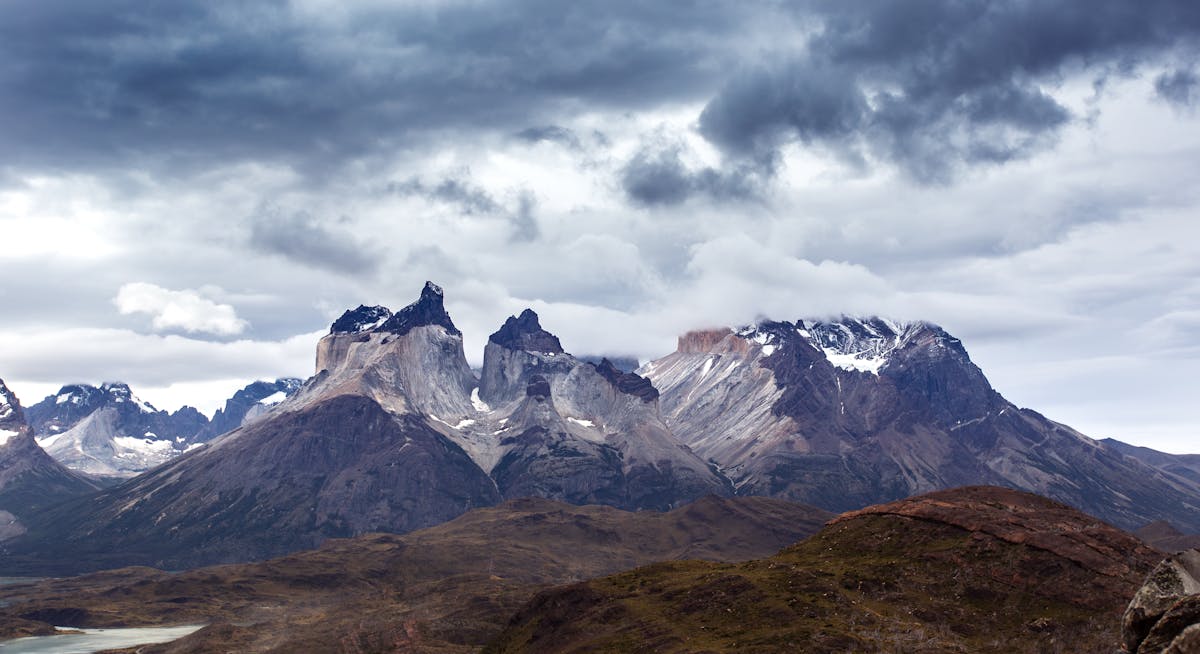
This is the question everyone asks, and here is my honest answer: do Base Torres. Full stop. It is the hardest hike on this list, it will take your entire day, and you will be exhausted by the end. But the towers are the towers. Nothing else in the park — nothing else in South America, honestly — looks like that. If you only have one day, you go see the thing you came to see.
Start as early as the park gates allow. Bring layers, rain gear, plenty of food and water, and trekking poles if you own them. Budget a full 8-9 hours. Accept that you will be tired. Accept that the weather might not cooperate. Go anyway.
If Base Torres is physically too much — if you have knee problems, if you're not comfortable with 18 km of rocky terrain, if you're traveling with young kids — then do Salto Grande plus Mirador Cuernos as a combo. You'll see the best of the park's scenery in a half-day without the suffering. The Cuernos view is, in some ways, even more beautiful than the towers. Just different.
The Practical Stuff
Getting There from Puerto Natales
Puerto Natales is the gateway. The park entrance is about 80 km north — roughly 1.5 hours by car, slightly longer by bus. Several companies run daily buses from Puerto Natales to the park (around 20,000 CLP round trip), but they lock you into set departure and return times. I rented a car and it was the right call. Having your own vehicle means you can start hikes at dawn, move between trailheads freely, and leave when you're done rather than waiting for a 6pm bus.
Check getting around Chile for rental options. Book the car in Punta Arenas (cheaper and more availability than Puerto Natales).
Park Entry Fee
Foreign visitors pay around 38,000 CLP (roughly $40 USD) for a multi-day pass that covers your entire stay. You pay once at the gate and keep the receipt — rangers check it at trailheads. Chilean residents pay significantly less. Cash and card both accepted at the main entrances.
When to Go
The hiking season runs from October through April, with December through February being peak summer. I went in late November — shoulder season. The weather was wild (snow, sun, and gale-force wind all in one day), but the trails were quieter and the park entry was slightly cheaper. January is the busiest month and the warmest, but "warm" in Torres del Paine means 15-18 degrees Celsius on a good day. It can drop to near freezing at any time, any month.
Read the full breakdown at when to visit Chile. For Patagonia specifically, I'd aim for November or March if you want fewer crowds. February works too but the wind picks up significantly.
What to Bring
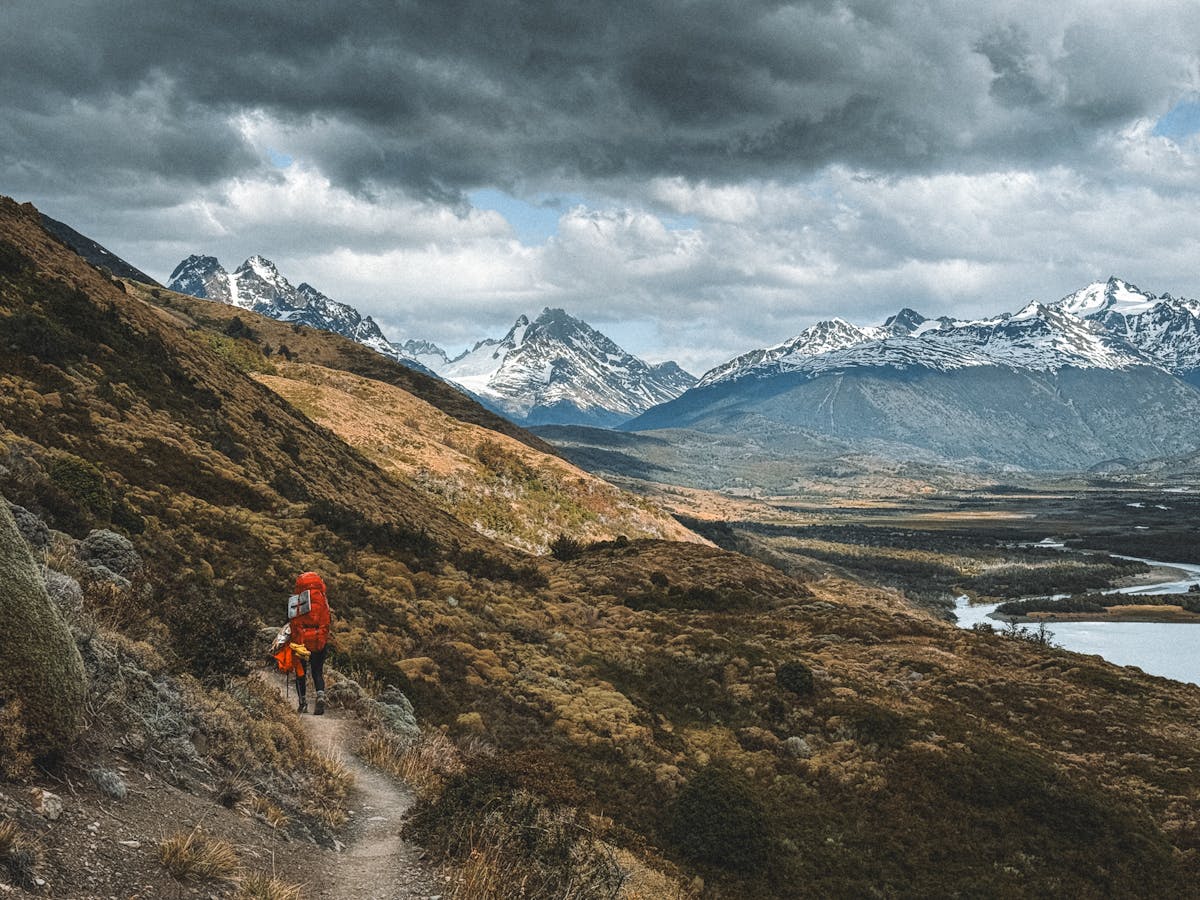
I packed the same kit for every day hike:
- Waterproof shell jacket and pants (non-negotiable — the weather turns in minutes)
- Fleece or insulated mid-layer
- Trekking poles (especially for Base Torres)
- 2 liters of water minimum, 3 for Base Torres
- Sunscreen and sunglasses — the UV at this latitude is no joke, even on cloudy days
- Packed lunch and snacks (there are no shops inside the park on the trails)
- Cash for the park entry if your card is unreliable
Budget for the full day trip at money and costs.
Combining Day Hikes
With three or four days based in Puerto Natales, you can easily cover all the hikes on this list. Here is roughly how I structured mine:
| Day | Hike | Notes |
|---|---|---|
| Day 1 | Salto Grande + Mirador Cuernos | Warm-up day, half day each, drive between |
| Day 2 | Base Torres (Mirador Las Torres) | Pre-dawn start, full day, early bed |
| Day 3 | Lago Nordenskjold Lookout | Rest day hike, gentle, morning only |
| Day 4 | Grey Glacier viewpoint (or boat combo) | Full day with catamaran logistics |
That schedule left me with enough recovery between the hard efforts. I also had a weather buffer day — which I ended up using, because day 3 was originally supposed to be Grey Glacier but the wind shut down the catamaran crossing. Patagonia will rearrange your plans. Build in slack.
Day Hikes vs. the W Trek
People always ask whether they should do day hikes or commit to the W Trek. My take: they are different experiences and one is not better than the other. The W Trek gives you immersion — five days inside the park, sleeping under the mountains, waking up to frost on your tent. Day hikes give you flexibility — pick the best weather window, sleep in a real bed, eat actual food in town every night.
If you are short on time or don't want to carry a full pack, day hikes get you to every major viewpoint the W Trek covers. You just do it from a different angle. And honestly, the Mirador Las Torres hike (the end point of the W) is the same trail whether you're on day five of a trek or driving in fresh from Puerto Natales. The towers don't care how you got there.
For the full multi-day breakdown, read the W Trek guide. For fitting Torres del Paine into a bigger trip, see the Patagonia itinerary.
The Hike I'd Skip (If Pressed for Time)
If you only have two or three days, skip the Lago Nordenskjold lookout. It's pleasant, it's peaceful, and the reflections are lovely — but it doesn't deliver the punch that the other four hikes on this list do. The scenery is a softer version of what you'll see from Mirador Cuernos anyway. Use that time for the Grey Glacier boat trip instead. Or just take Base Torres slower and actually enjoy the forest sections rather than rushing through them like I did.
One Last Thing
I met a couple from Brazil at a viewpoint who had driven down from Santiago — a two-day trip each way. They had one day in the park and spent it at Salto Grande and the Lago Grey boat tour. They said it was the best day of their entire South America trip. I met a solo hiker from Japan who had done the full Circuit — nine days — and said the sunrise at Base Torres was still the single moment that stuck with him most.
Torres del Paine does that. Whether you give it a day or a week, it takes whatever time you have and fills it completely. I thought I was done with Patagonia after eight days. I've been planning my return trip since the flight home.
The only thing this park asks of you is that you show up. The rest, it handles.
For more on wildlife spotting in the park, including the growing puma tracking scene around Lago Sarmiento, check the dedicated guide.