This article contains affiliate links. If you book through them, I earn a small commission at no extra cost to you.
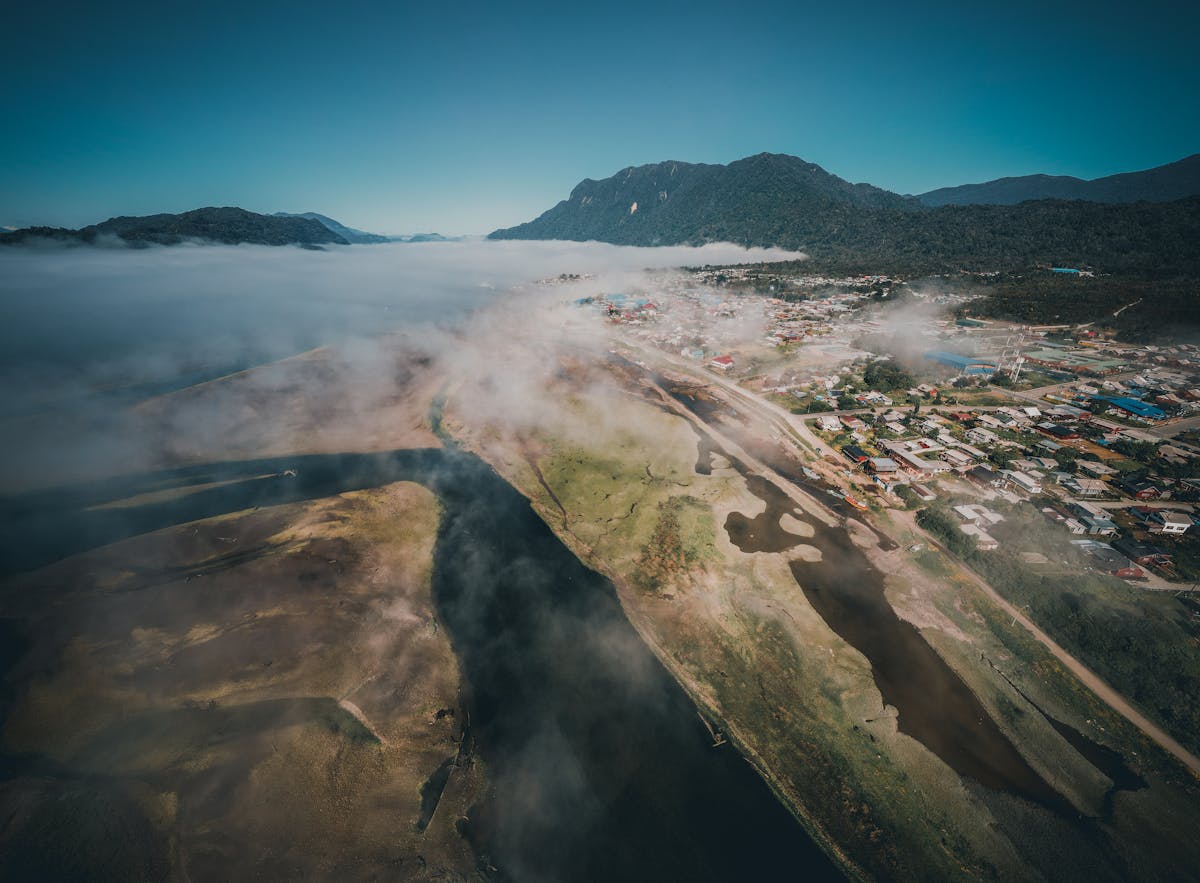
The fog rolled in about twenty minutes into the ferry crossing from Pargua, and by the time we were halfway across the Chacao Channel, I could not see either shore. Just grey water, grey sky, and the low drone of the engine. A few trucks idled on the car deck below. A kid in a yellow jacket pressed his face against the railing and stared at nothing. The whole crossing takes about thirty minutes, which does not sound like much, but in that fog, with no land visible in any direction, it felt like crossing into somewhere else entirely. And that is basically what you are doing. Chiloe is technically part of Chile, connected by a short ferry and a handful of daily flights, but the moment you step off that boat, the rules change. The food is different. The architecture is different. The mythology is different. Even the light looks different — softer, filtered through a permanent haze that clings to the hills like something alive.
I had come down from Puerto Montt on a bus that caught the ferry mid-route — the bus drove onto the boat, attendant waved everyone upstairs, and thirty minutes later we drove off into Ancud. But that half hour on the water stuck with me. It set the tone for everything Chiloe turned out to be: quiet, slightly mysterious, and completely unlike the rest of the country.
Castro and the Palafitos That Almost Disappeared
Most people base themselves in Castro, roughly in the middle of the island, and I did the same. It is the largest town on Chiloe, which is not saying much — maybe 40,000 people, a handful of streets, and a waterfront that drops off steeply into the Fjord of Castro. The town itself is pleasant but unremarkable until you reach the water and see the palafitos.
Palafitos are wooden houses built on stilts over the water. They line several stretches of Castro's waterfront, painted in bold colours — yellow, red, blue, green — and they look like something from a picture book. The front doors face the street at road level. The back of each house hangs out over the water on wooden pilings, with small docks and ladders dropping down to the tide line. At high tide, the water comes right up under the floorboards. At low tide, you can see the barnacle-crusted stilts and the dark mud underneath.
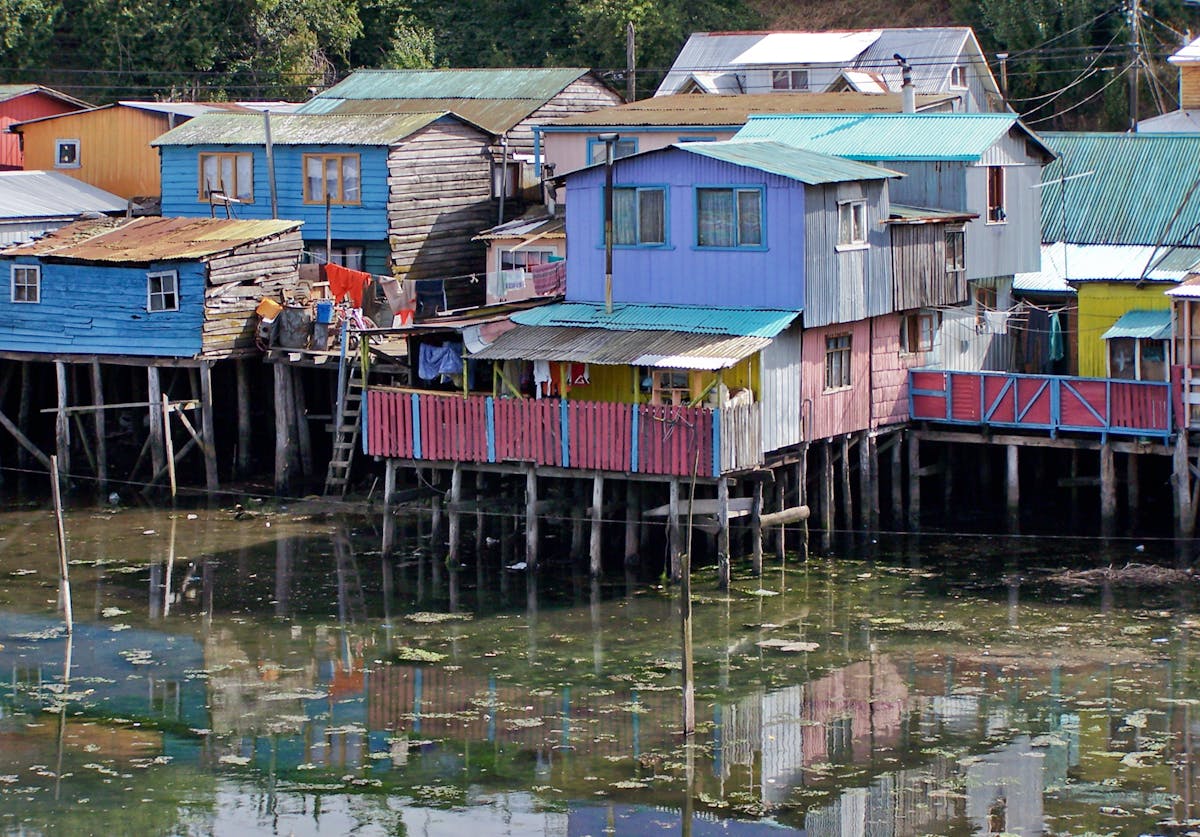
What most guides skip is that these nearly vanished. In the 1960s and 70s, authorities considered them unsanitary and tore many down. Others were destroyed in the 1960 earthquake. The ones standing today along the Gamboa and Pedro Montt waterfronts are a fraction of what once existed, and several have been converted into boutique hotels. I stayed in one for two nights. The walls were thin, I could hear neighbours through the timber, but waking up and looking straight down at the fjord from my bed made the lack of soundproofing easy to forgive.
The main plaza in Castro is dominated by the Iglesia San Francisco, a massive wooden church painted a shade of orange-pink that looks absurd in photos but somehow works in person. It was built in 1906, rebuilt after a fire in 1902 that gutted the original, and its interior is entirely wood — the columns, the vaulted ceiling, the altarpiece. No stone, no concrete. The whole structure creaks in the wind. I spent about forty minutes inside, mostly because I kept finding small details in the woodwork that I had missed on first glance. The cultural weight of these buildings is hard to overstate — they are the reason UNESCO came to Chiloe in the first place.
Dalcahue on a Sunday Morning
Someone at my hostel in Castro told me to go to Dalcahue on a Sunday. "The market is the real one," she said. "Not the tourist version." Dalcahue is about twenty minutes north of Castro by bus — colectivos run constantly, cost around 800 pesos, and drop you right at the market entrance.
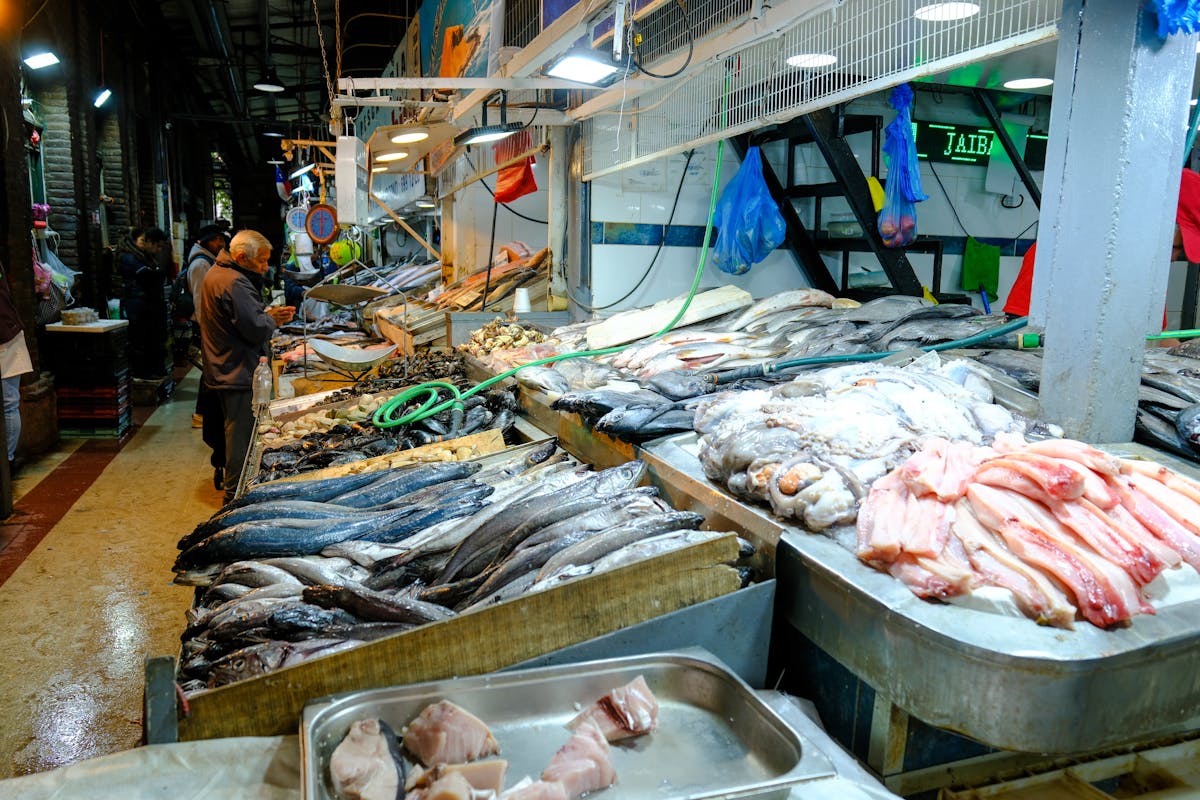
She was right. The Feria Artesanal de Dalcahue is the kind of market where the vendors are also the customers. Wool sweaters, hand-knitted socks, ponchos in heavy raw wool that would stop a bullet, wooden kitchen utensils, smoked mussels wrapped in paper, and basket after basket of potatoes in varieties I had never seen. Chiloe has over 200 native potato varieties — purple, yellow, red, elongated, round, some the size of a fingernail. The island is actually one of the original centres of potato domestication, which is a fact that will make you look at French fries differently.
I bought a pair of wool socks for 3,000 pesos ($3.50 USD) that turned out to be the best purchase of the entire trip. Thick, warm, slightly scratchy in a way that felt honest. They survived five more weeks of backpacking and still looked brand new. The women selling them had stacks in every colour, knitting more as they sat behind the table. No price tags. You ask, they tell you. No haggling — the prices are so low it would feel absurd.
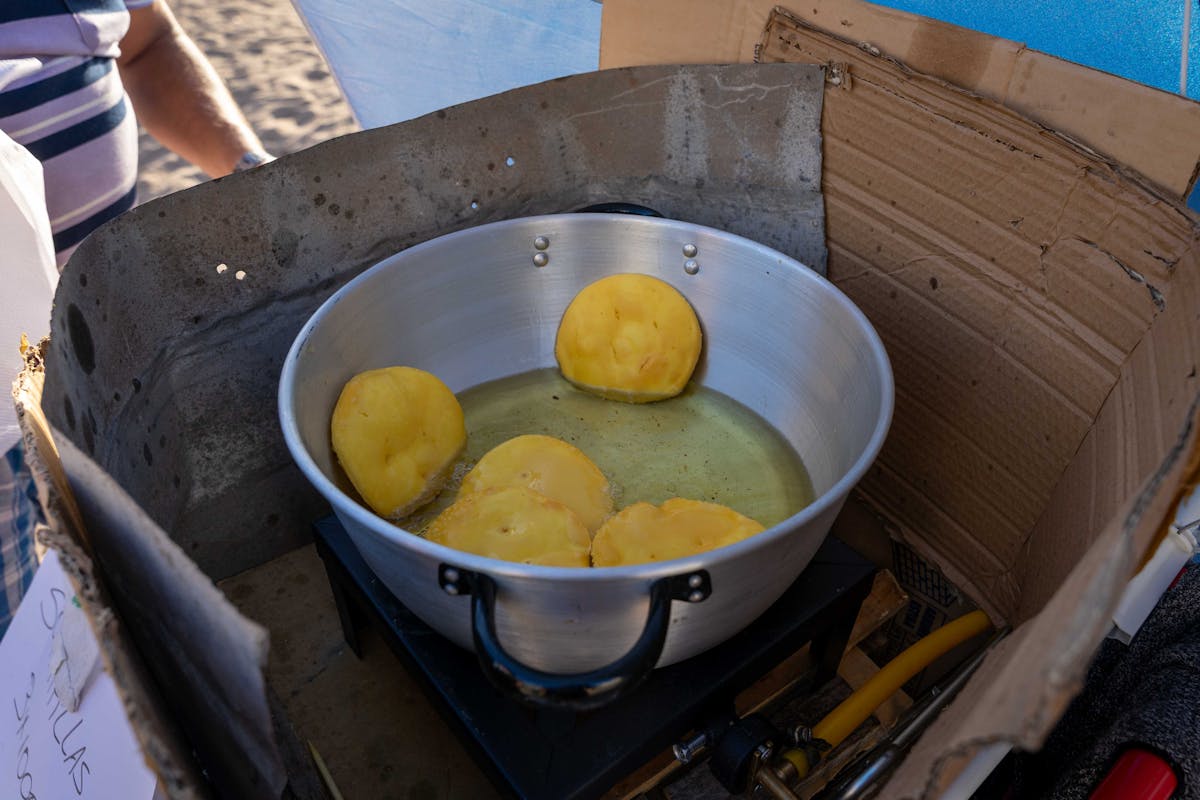
Behind the crafts, the food section is where things get serious. Empanadas stuffed with smoked shellfish. Chapaleles — potato flour dumplings with chicharron on top. Milcao, a potato pancake fried until the outside shatters and the inside stays gooey. None of it is pretty. All of it is remarkable. I stood at a counter eating milcao with pebre and watched a fisherman eat an identical plate in about ninety seconds flat. That is how you know.
The Churches of Chiloe (and Why Achao Is the One You Cannot Skip)
There are sixteen UNESCO-listed wooden churches scattered across Chiloe, and the temptation is to try to see them all. Do not do this. After the fourth or fifth wooden church, they start to blur together — shingled exteriors, arched porticos, interior columns carved from single tree trunks. They are all worth seeing in theory, but in practice, your time is better spent going deep on two or three rather than ticking off a checklist.
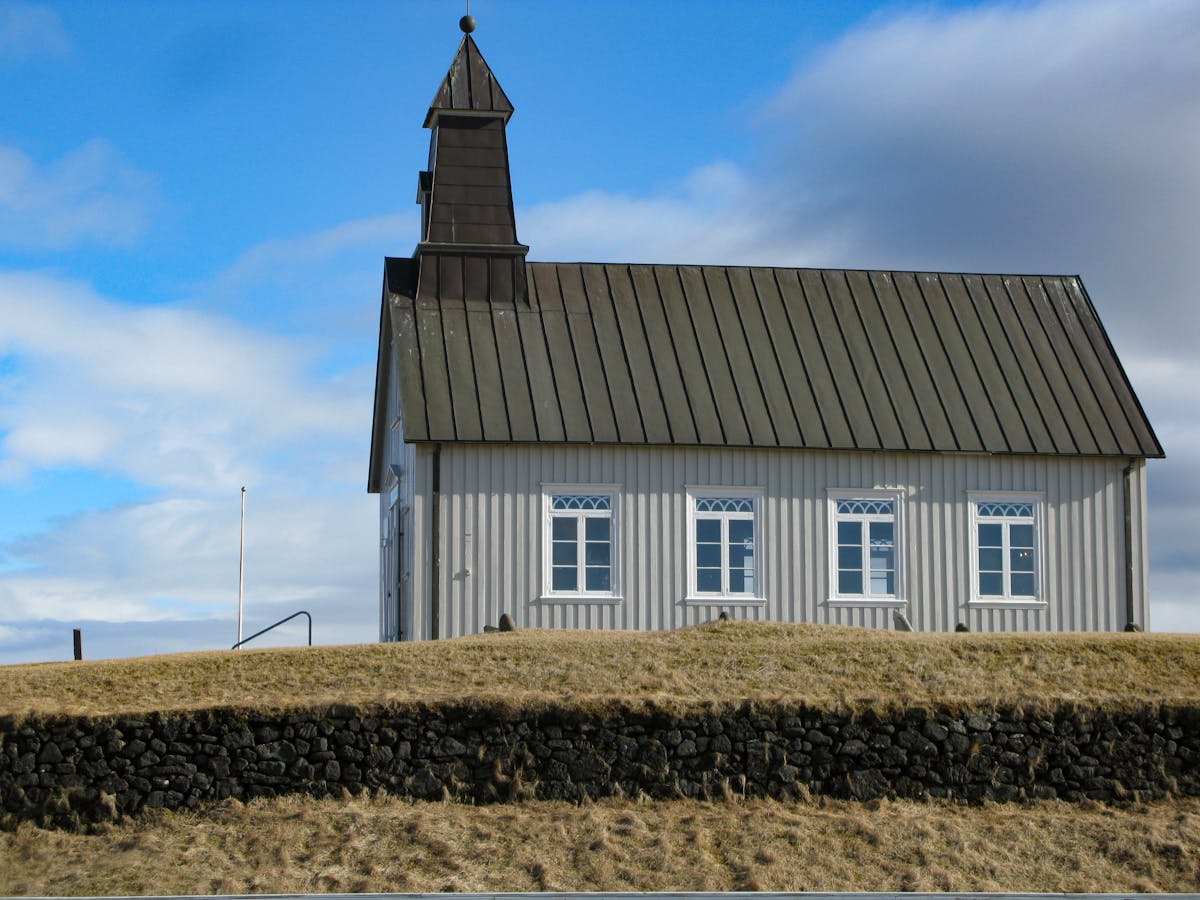
The church at Achao, on the small island of Quinchao across a short ferry from Dalcahue, is the oldest — built in 1730 by Jesuit missionaries working with local Huilliche craftspeople. Getting there requires a bus from Dalcahue to the ferry pier, then a ten-minute crossing to Quinchao, then another short bus ride to Achao village. The whole journey takes about an hour from Dalcahue, which sounds like a lot, but the ferry ride across the channel is beautiful and the bus route passes through farmland that looks like it has not changed in a century.
What makes Achao's church different from the others is scale and detail. The interior ceiling is painted with decorative motifs that blend Catholic iconography with Huilliche geometric patterns — stars, flowers, and abstract shapes in faded blues and reds that the Jesuit fathers almost certainly did not design themselves. The columns are massive, each one a single cypress trunk, and the floor is worn smooth by nearly three hundred years of feet. The whole building has a lean to it, a slight settling that reminds you it was built by hand from local wood on an island at the edge of the world.
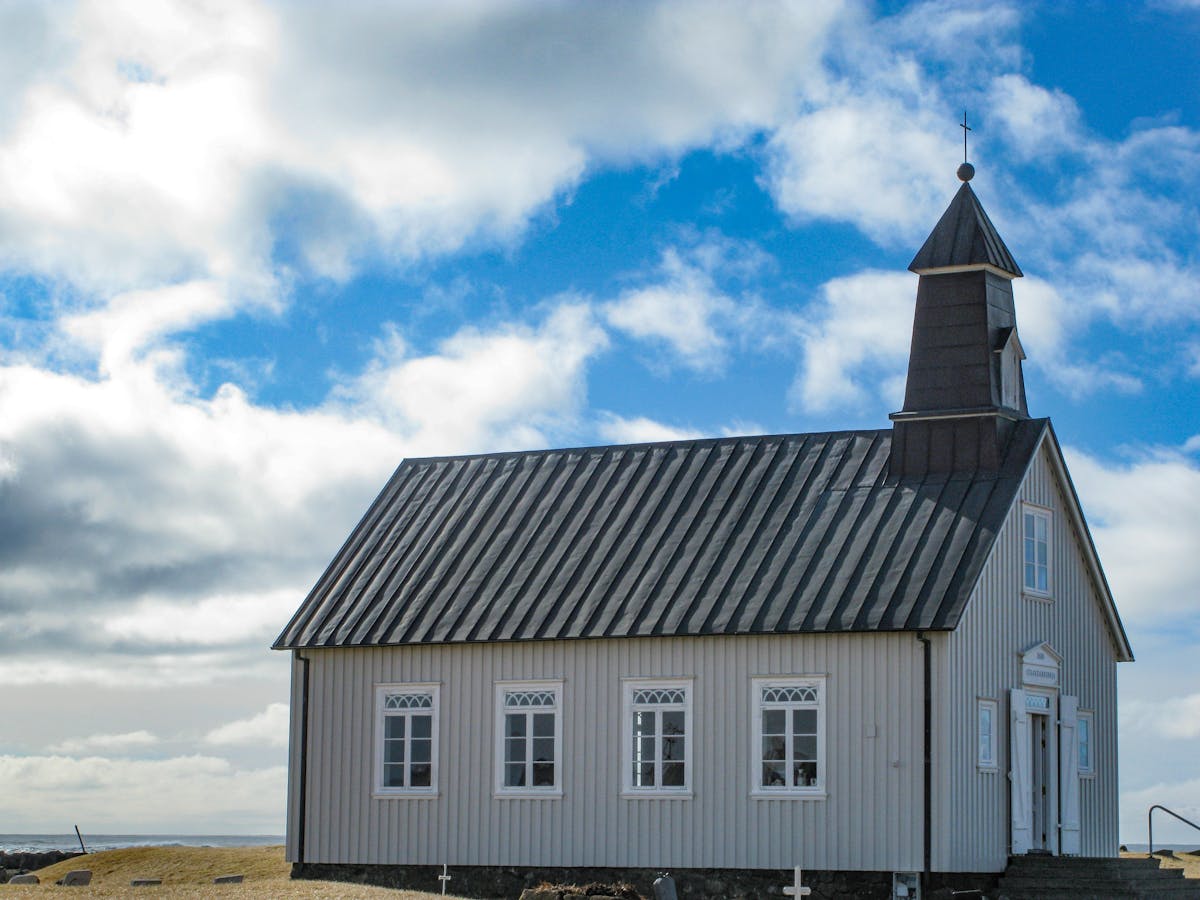
The construction technique earned the UNESCO listing. The Chilote School of wooden religious architecture used no nails — only interlocking joints, wooden pegs, and a mix of European church design with indigenous Huilliche carpentry methods. The result is buildings that have survived earthquakes, storms, and three centuries of Chiloe's punishing damp. The wood smells like incense and rain. Step inside and that is what hits you first.
For a second church, Nercon (south of Castro, walkable) is excellent. Tenaun has the most distinctive exterior — sky blue with white stars. But Achao is the essential one.
Curanto: The Meal That Takes All Day
You cannot visit Chiloe and skip curanto. You can try, but someone will feed it to you eventually. Curanto is Chiloe's defining dish — a massive communal feast cooked in an earth pit, layered with shellfish, pork, chicken, smoked sausage, potatoes, milcao (potato dumplings), and chapaleles, all covered with giant nalca leaves and buried under hot stones. The whole thing steams underground for hours. When they dig it up, the result is a smoky, briny, carb-heavy mountain of food that could feed a table of eight and usually does.
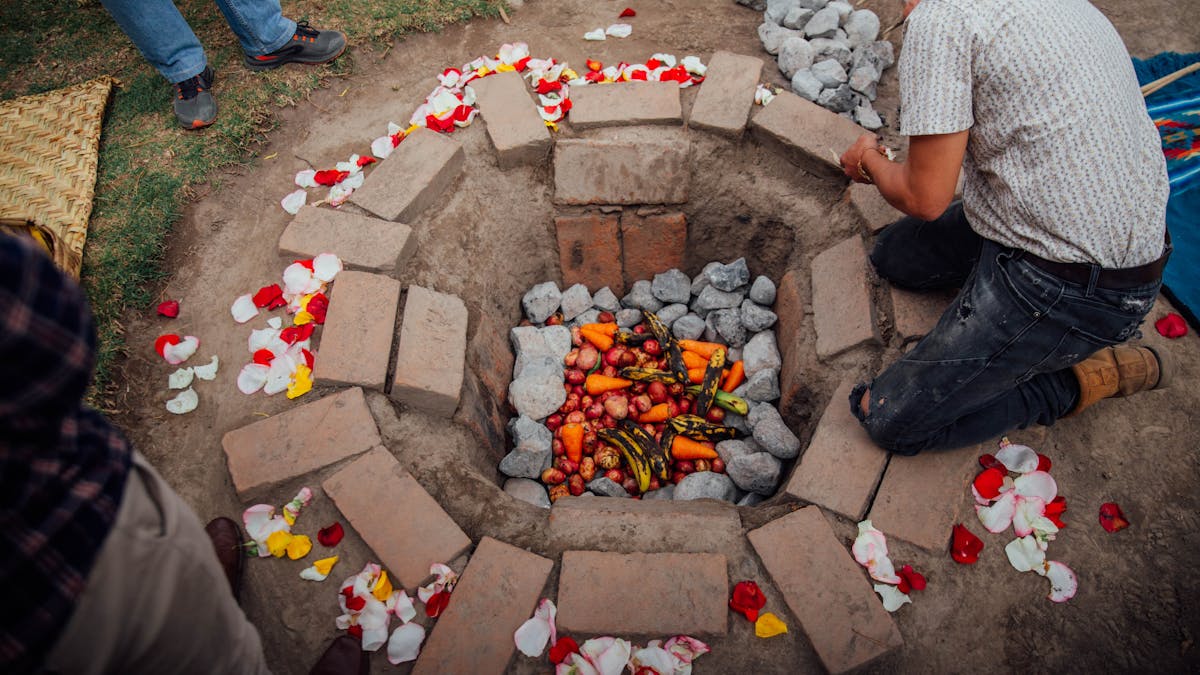
The traditional version — curanto en hoyo, cooked in the ground — is harder to find. Most restaurants serve curanto en olla, the pot-cooked version, same ingredients but lacking the smokiness of the pit method. Still excellent. A plate costs 8,000-12,000 pesos ($9-14 USD) and is more food than one person needs. The shellfish alone — mussels, clams, picorocos (giant barnacles) — would be a full meal anywhere else.
I found the pit version through a woman at the Dalcahue market whose cousin did curanto en hoyo for groups on weekends — 15,000 pesos per person. The next Saturday I showed up with three other backpackers to find a family operation: kids running around, a grandfather tending the pit, a grandmother who kept refilling plates like we had personally insulted her by leaving space. The Chilean food tradition of relentless generosity is amplified on Chiloe. I ate until my belt hurt and she still looked disappointed.
The smokiness from the hot stones and the nalca leaves gets into everything. The mussels taste like the ocean floor. The milcao absorbs the juices from the meat and shellfish above it and becomes something that should not exist — a potato dumpling that tastes like an entire seafood restaurant. If you only eat one meal on Chiloe, make it this one. But plan to do nothing physical for the rest of the afternoon.
The Mythology Nobody Warns You About
Chiloe has the richest mythological tradition in Chile, possibly in South America. This is not a dusty academic subject — people still tell these stories at dinner tables, still use them to explain things. Some of the older generation half-believe them. Or more than half. The fog, the isolation, the forests that go dark at noon, the sounds the ocean makes at night through thin wooden walls — this is a landscape that produces mythology the way other places produce wheat.
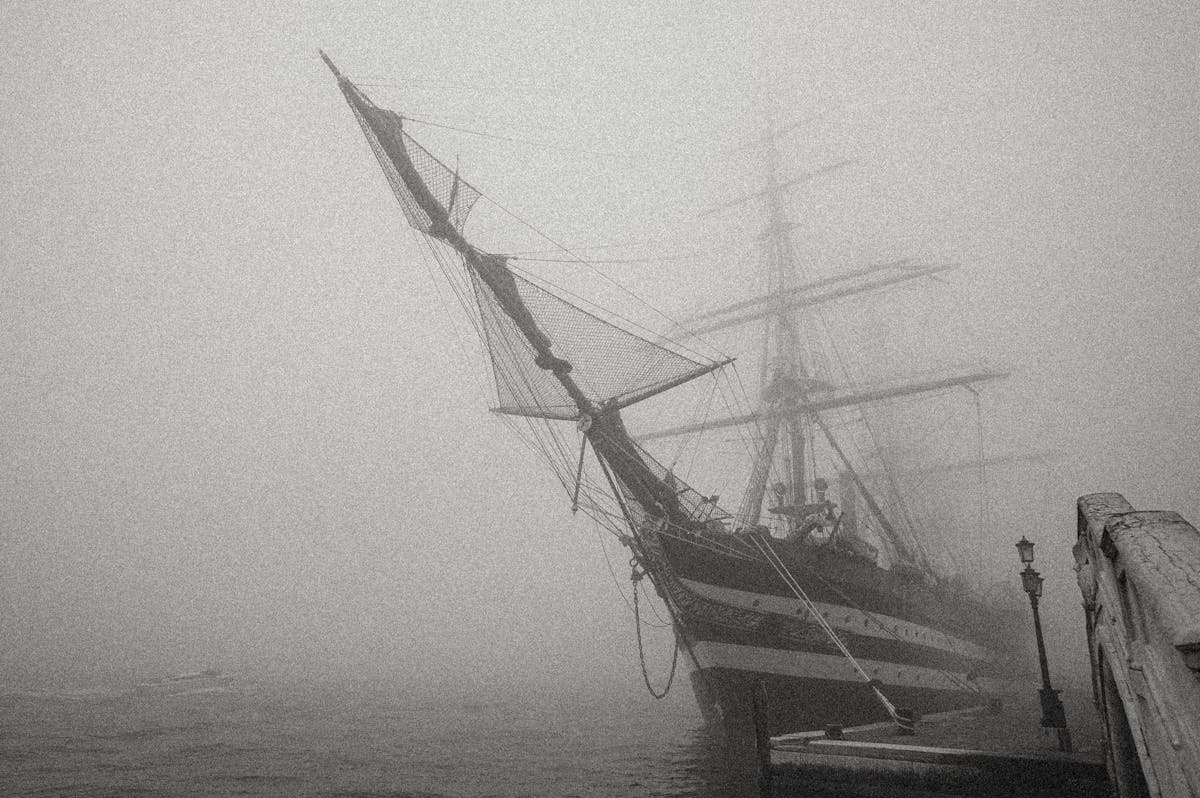
The big three: the Caleuche, the Trauco, and the brujos. The Caleuche is a ghost ship that sails the channels at night, glowing and playing music, crewed by the drowned. It appears in fog — of which Chiloe has a near-infinite supply — and lures fishermen toward it. Those who board gain vast wealth but never return to land. Fishermen in Ancud still talk about seeing lights on the water and changing course to avoid them. Whether they believe it is a ghost ship or just avoid unidentified lights as common sense, the result is the same.
The Trauco is darker. A small, ugly forest creature dressed in bark, carrying a stone axe, with the power to seduce any woman who sees him. For centuries, an unexplained pregnancy on Chiloe was attributed to the Trauco. The social function of this myth is obvious and uncomfortable, but it persists. Locals described the Trauco to me the way you might describe a dangerous animal — something real that lives in the woods.
The brujos — the witches — are the most elaborate piece. The Recta Provincia, supposedly a secret society of sorcerers, operated on the island until a famous trial in 1880 brought it into the public record. Whether it was real, a colonial-era panic, or something in between is still debated. But the trial records exist, and when a local in Cucao told me over beer that "the brujos are still around, just quieter now," I did not get the impression he was joking.
Cucao and the Wild Western Coast
Most visitors stay on Chiloe's sheltered eastern side — Castro, Dalcahue, Achao — where the waters are calm and the towns are accessible. The western coast is something else entirely. To get there, you drive (or bus) west from Castro through increasingly dense forest until the road ends at Cucao, a tiny village on the Pacific shore that feels like the end of the earth. Because in some ways, it is. Between Cucao and New Zealand, there is nothing but ocean.
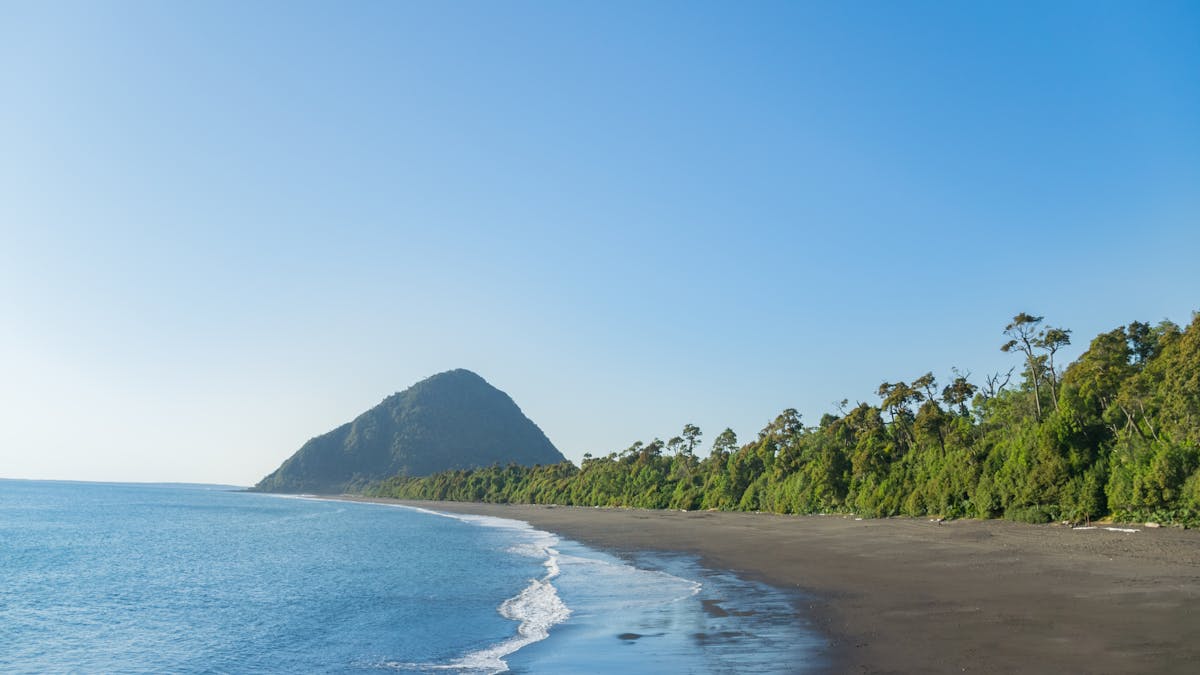
Chiloe National Park starts at Cucao and stretches along the coast. The main trail — a boardwalk over wetlands that leads to a long, desolate beach — is easy and takes about an hour each way. The beach itself is enormous, windswept, and usually empty. The sand is grey-brown, the waves are serious, and the whole scene has a wildness that is hard to find on Chiloe's other coast. Swimming is not recommended (strong currents, cold water, no lifeguards), but walking the beach with the wind shoving you sideways is its own kind of experience.
The park also has longer trails into the interior. I did the trail to Cole Cole beach, about 12 kilometres each way, and it took most of a day. The path is muddy — spectacularly, disgustingly muddy, the kind that sucks your boot off and makes an obscene noise when you pull your foot out. Bring waterproof boots. Not shoes. Boots. I wore trail runners and spent the last two hours with wet feet and a dark worldview.
But the forest is extraordinary. Alerce trees, moss hanging from everything, ferns taller than a person, and a silence that is not really silence at all — birds, dripping water, wind in the canopy, and nothing else. No traffic, no voices, no phone signal. The best time to visit this side is December through March, when the trails are least muddy and the days are long enough for the longer routes.
Penguins at Punihuil (the Boat Ride That Made Me Nervous)
On the northwest coast of Chiloe, near the town of Ancud, three small rocky islets off Punihuil beach host colonies of both Humboldt and Magellanic penguins. This is one of the only places in the world where these two species nest side by side, which is apparently a big deal for birders. I am not a birder, but I will watch penguins all day. Anyone who says they would not is lying.
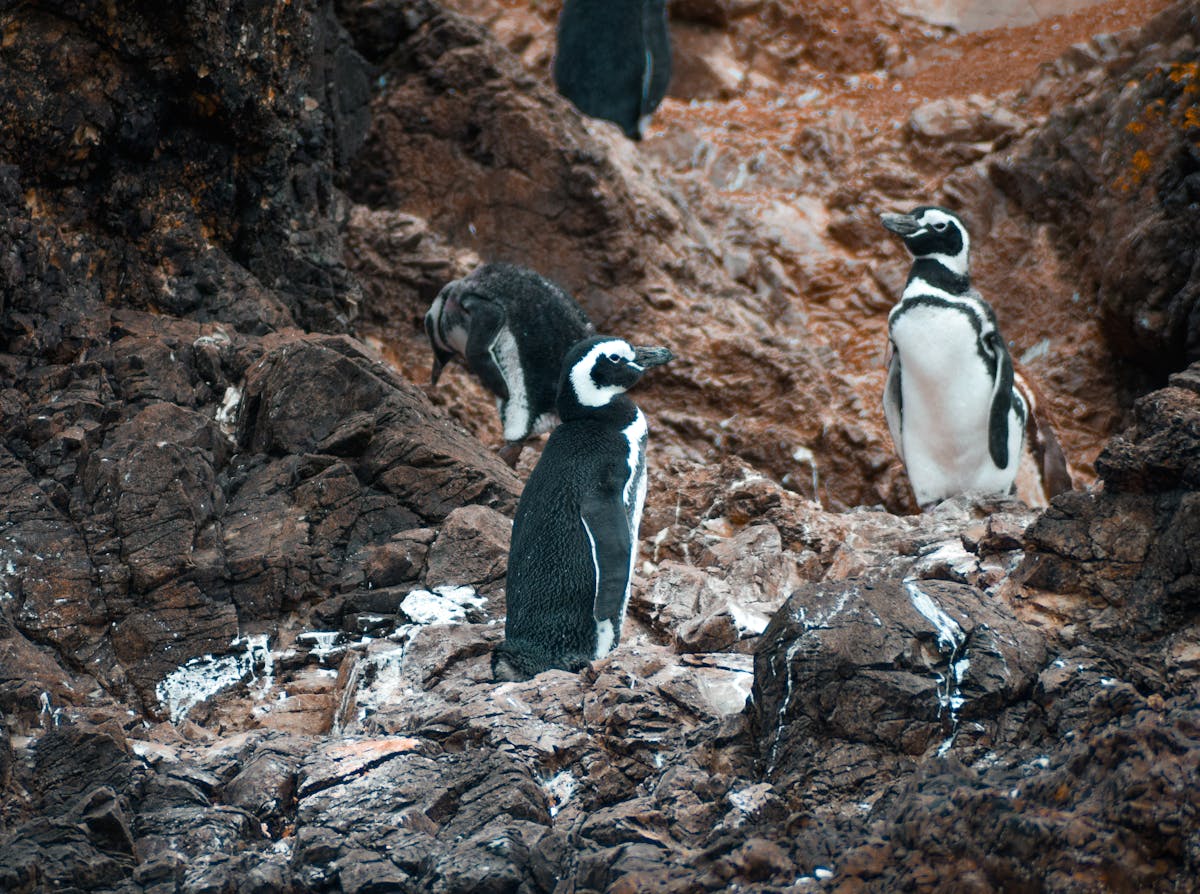
Boat trips leave from Punihuil beach — 10,000 pesos ($11 USD) per person for a half-hour circuit. The boats are small, maybe eight passengers, and open to the elements. The Pacific swell off Chiloe's northwest coast is no joke. My trip was on a day the operator called "normal" but that I would call "genuinely concerning." Spray came over the bow. A Chilean family across from me was laughing. I was not.
The penguins, though. Once the boat slows near the islets, you can hear them — a braying, honking noise like a herd of tiny donkeys. Hundreds of them, waddling across the rocks, standing in pairs outside their burrow entrances looking like retired couples on a porch. The Humboldts are slightly larger with a single black chest band. The Magellanics have two bands and a more expressive face. Best viewing is September through March when both species are nesting.
Getting to Punihuil
From Ancud, take a bus toward Pumillahue and ask the driver for the Punihuil turnoff. From the main road, it is about 4 km down a gravel road to the beach — you can walk it in 45 minutes or arrange a ride. Several small operators run boats from the beach; they all charge the same price and go to the same islets. First boats leave around 9:30am. Bring a windproof jacket and something for your stomach if you are prone to seasickness.
Why Chiloe Feels Like a Different Country
I spent five days on Chiloe and left with the feeling that I had visited somewhere fundamentally separate from the rest of Chile. It was not just the palafitos or the churches or the mythology, though those are all part of it. It was something more basic — a rhythm. The pace is slower. The people are more reserved at first and more generous once you break through. The food is rooted in the land and the sea in a way that the Lake District next door, with its German-influenced cuisine and craft beer, is not. Chiloe eats what Chiloe grows, catches, and smokes. That is the menu.
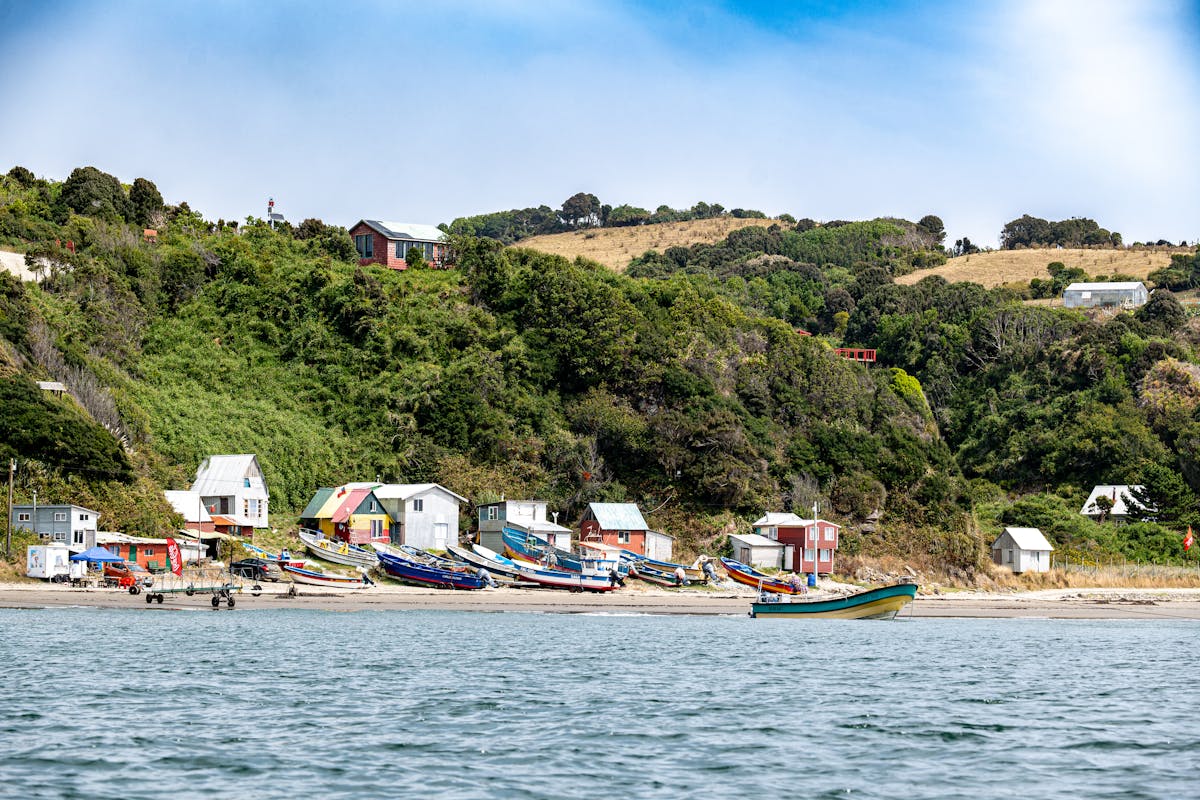
The isolation matters. Until the 1970s, the only way to reach Chiloe was by boat. There is talk of building a bridge across the Chacao Channel — the project has been discussed for decades, funded and defunded multiple times. Chilotes are divided. Some want economic development. Others fear it will turn their island into another generic Chilean destination. Having been there, I understand the fear. The things that make Chiloe special are exactly what isolation preserved.
If you are building a two-week Chile itinerary, Chiloe fits naturally after the Lake District. The bus from Puerto Montt takes about two and a half hours including the ferry crossing. Three to four days on the island is enough to see the highlights — Castro, Dalcahue, one UNESCO church, a curanto meal, and either the penguins or the national park. Five days lets you do everything without rushing and gives you time to sit in a palafito cafe and watch the tide come in, which is honestly one of the best things to do on the island.
Quick Tip
Chiloe's weather is unpredictable even by Chilean standards. Pack rain gear regardless of the forecast. I experienced sunshine, fog, rain, and wind in a single afternoon. The locals have a saying: "If you don't like the weather, wait five minutes." They are not exaggerating.
Getting There, Staying, and Costs
Buses from Puerto Montt run several times daily (Cruz del Sur, Queilen Bus) — 2.5-3 hours including the ferry, 5,000-7,000 pesos one way. The bus drives onto the ferry so you stay in your seat. On the island, colectivos connect the main towns cheaply: Castro to Dalcahue is 800 pesos, Castro to Ancud about 2,000, Castro to Cucao 2,500. Buses thin out after 7pm. Getting around Chile by bus is generally straightforward, and Chiloe is no exception.
Castro has the most lodging. Palafito hostel dorms cost 15,000-25,000 pesos ($17-28 USD); private guesthouse rooms 35,000-60,000 pesos ($40-68 USD). Cucao has bare-bones hospedajes for 20,000-30,000 pesos. December through March is driest, though "dry" here is relative. Late February worked perfectly for me — warm enough, not too crowded, long days. Winter is cold and grey but atmospheric as hell, and you will have the churches to yourself.
| Bus Puerto Montt to Castro | $6-8 USD |
| Hostel dorm in Castro | $17-28/night |
| Curanto en olla (restaurant) | $9-14 USD |
| Curanto en hoyo (family experience) | $17 USD |
| Penguin boat trip at Punihuil | $11 USD |
| Wool socks at Dalcahue market | $3.50 USD |
Chiloe is not the kind of place that blows you away with a single dramatic view. It does not have the wow factor of Patagonia or the desert-sky drama of the Atacama. What it does have is accumulation. The churches, the food, the palafitos, the fog, the mythology, the penguins, the green hills rolling down to grey water — none of it screams. All of it lingers. I left Chiloe on the same ferry I arrived on, and this time the sky was clear and I could see both shores the whole way across. It took exactly twenty-eight minutes. But I kept looking back at the island until it was gone.