This article contains affiliate links. If you book through them, I earn a small commission at no extra cost to you.
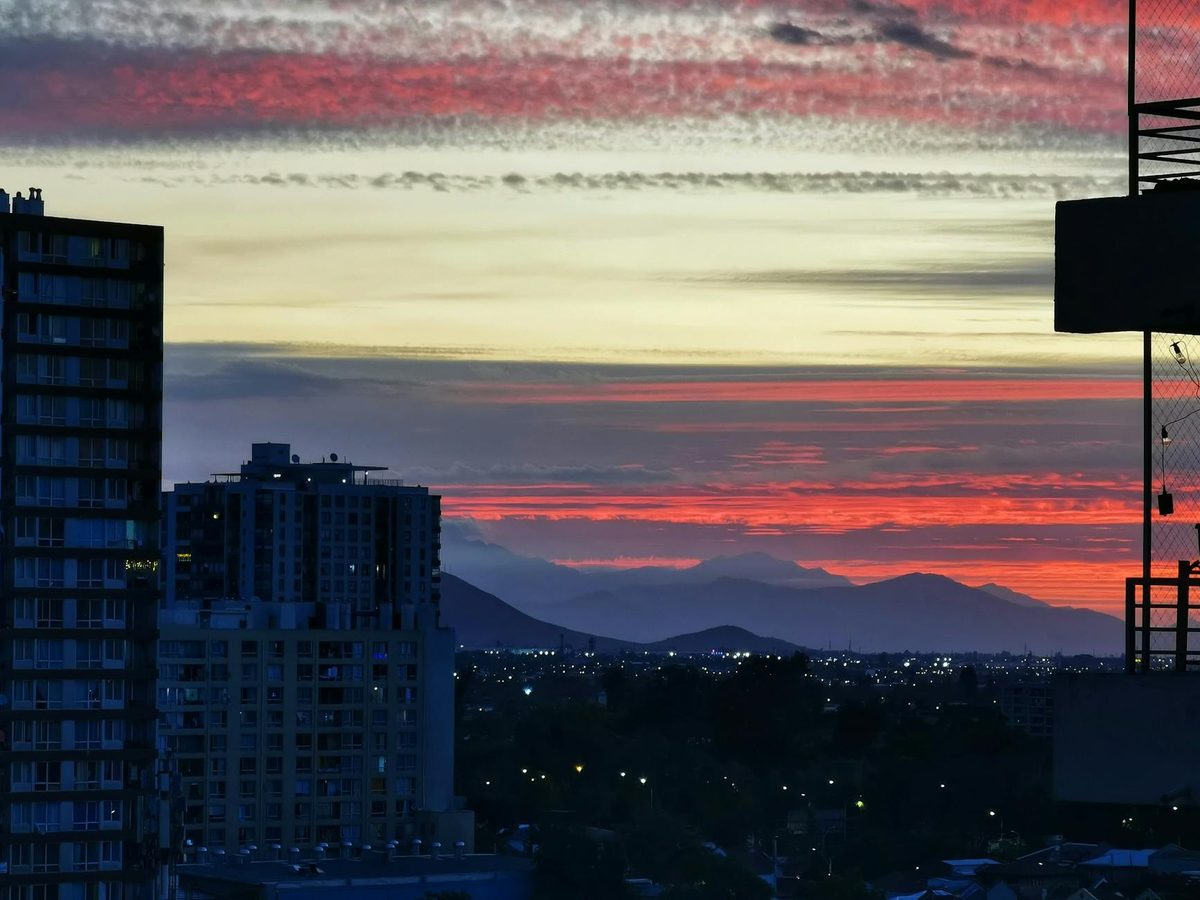
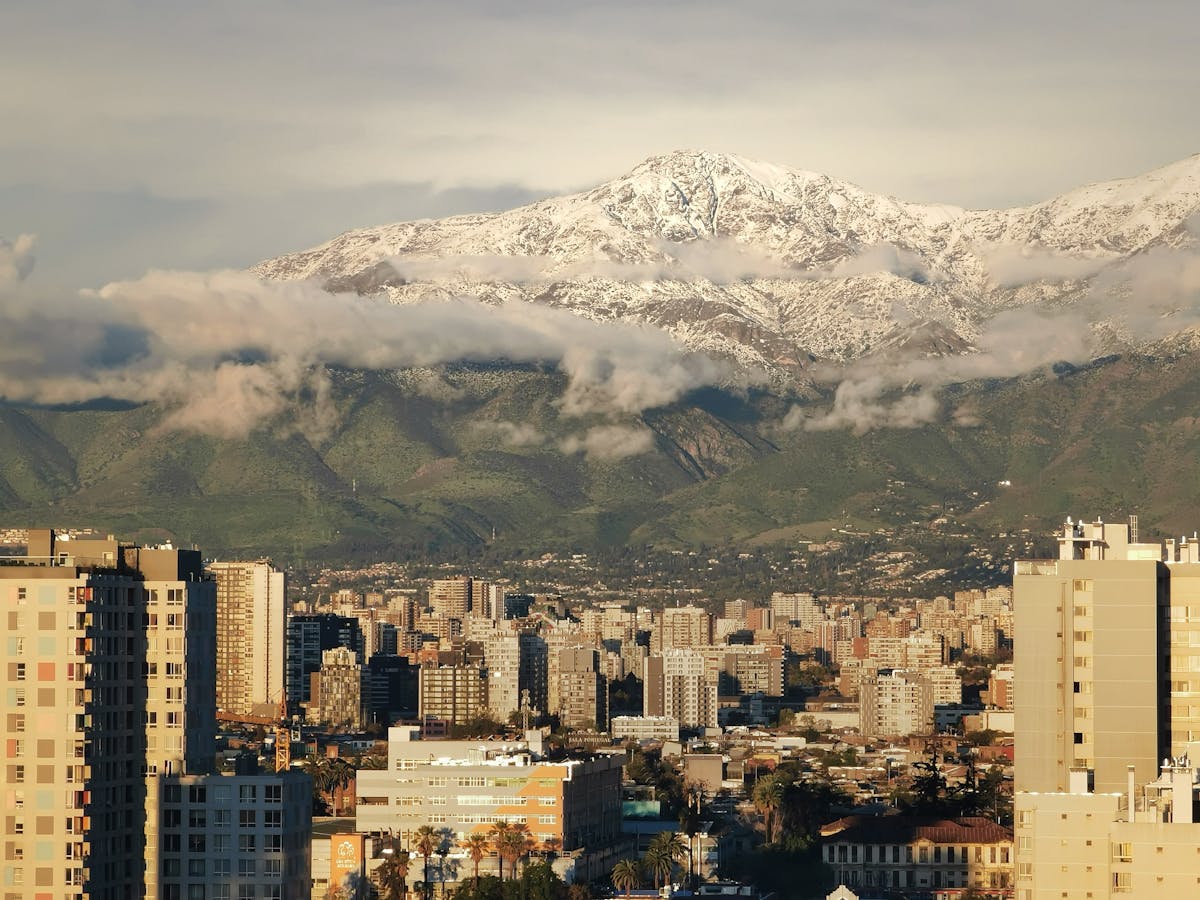
I was standing on the platform at Universidad de Chile metro station, sweating through my shirt at 9am, holding a paper bag of still-warm empanadas from a window counter I had found purely by accident, when I looked up through the station exit and saw the Andes. Snow-capped, massive, pink in the morning light, filling the gap between two glass office towers like a painting someone had hung at the end of the street. I had been in Santiago for less than twelve hours and I already understood something that nobody had told me before I arrived: this is a city that sits at the foot of the tallest mountains in the Western Hemisphere, and you can see them from almost everywhere, and that changes everything about how the place feels.
Santiago does not get the love it deserves. Most travelers treat it as a layover — a night or two before flying to the Atacama or busing south to Patagonia. I did the same thing on my first trip. Flew in, slept, left. It took coming back a second time, with no agenda and five full days, to realize how badly I had underestimated this city. The food is extraordinary. The neighborhoods each have their own personality. You can be drinking a cortado in a century-old European-style arcade at 10am and hiking a hill with panoramic views by noon. And the day trips — wine valleys, Andean canyons, a coast that feels like a different country — are some of the best I have done anywhere in South America.
Here is what those five days looked like, and what I would tell you to do if you had even three.
Cerro San Cristobal: Earn the View Before Breakfast
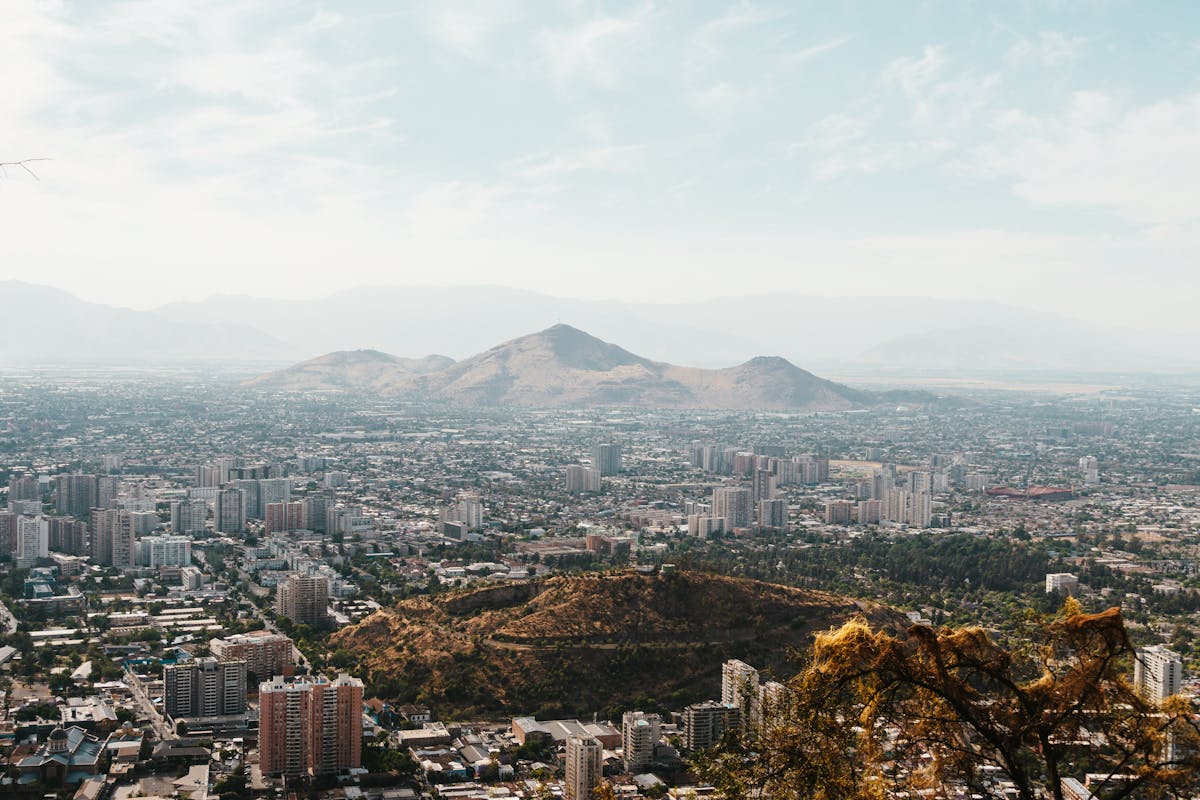
The single best thing I did in Santiago was walk up Cerro San Cristobal early in the morning. Not take the funicular. Walk. The path starts at the entrance to Parque Metropolitano in Bellavista, and it is a proper climb — steep switchbacks through eucalyptus trees, about 45 minutes if you keep a decent pace. I was breathing hard by the halfway point and questioning my choices. But the city kept appearing through gaps in the trees, each glimpse wider than the last, and by the time I reached the Virgin Mary statue at the summit the entire Santiago basin was laid out below me.
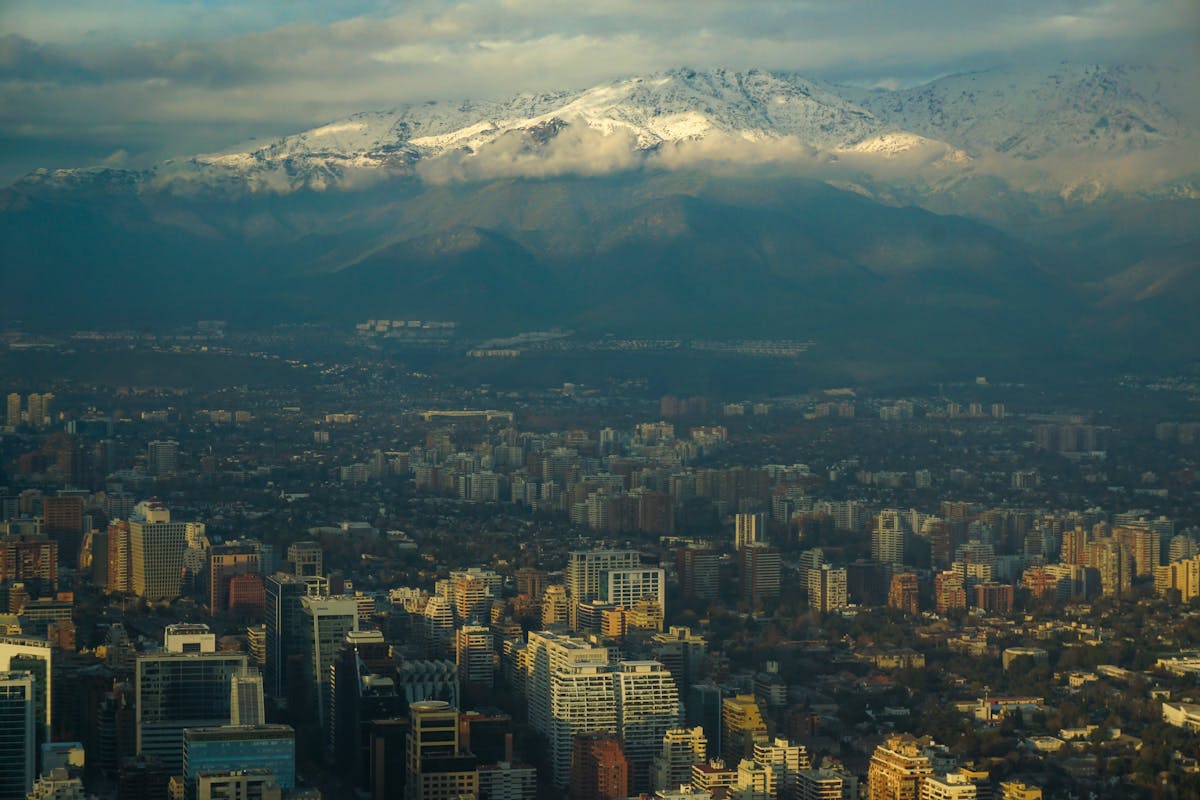
On a clear morning — and March gave me several — you can see the full east-to-west spread of the city, which is enormous. Santiago is home to seven million people, and from up here that number makes sense. The buildings stretch to the horizon in every direction, hemmed in by mountains on three sides. The Andes dominate the eastern skyline, snowline sharp against the blue. To the west, the coastal range is lower and drier, fading into haze. Between them, the city sprawls like a living thing.
I sat on a bench near the statue for twenty minutes, drank water, and watched joggers and dog walkers pass. This is where Santiago comes to exercise. By 8am the path was full of people running uphill, earbuds in, completely unfazed by a gradient that had me gripping my knees. The funicular opens at 10am on weekdays, and that is when the tourists arrive. If you walk up early, you have the summit largely to yourself.
Quick Tip
The funicular costs around 3,000 CLP (about $3.50) round trip and is worth it for the ride down if your legs are done. There is also a teleferico (cable car) that runs from the summit to the other side of the park — good for a loop route. Check our getting around guide for current prices.
One honest note: Santiago has a smog problem. In winter (June-August) and on still days, a brown haze sits over the basin and the Andes disappear completely. I have been here in July when you could not see past a few blocks. The mountain views that make this city special are a spring/summer/autumn thing. If you are coming specifically for the views, aim for October through April, and go up the hill first thing before the afternoon pollution builds.
Barrio Lastarria: The Neighborhood That Made Me Extend My Trip
I had originally booked three nights in Santiago. After my first afternoon walking through Barrio Lastarria, I added two more. This neighborhood, wedged between Cerro Santa Lucia and the river, is the one that made me understand why people actually choose to live in Santiago rather than just pass through.
Lastarria is small — you can walk end to end in fifteen minutes — but the density of good places to eat, drink, and sit is remarkable. The main street, Jose Victorino Lastarria, is lined with cafes that spill onto the sidewalk, secondhand bookshops, and small galleries. There is no chain anything. Every restaurant is independent, every coffee shop is different, and the crowd is a mix of university students, office workers on lunch breaks, and travelers who clearly found this place and could not leave.
I ate here more than anywhere else in the city. A ceviche at one of the Peruvian places on the side streets. A long lunch at a wine bar where I tried four different Carmenere from the Maule Valley — each one under $6 a glass. A late-night pisco sour at a tiny standing-room bar that had no sign on the door. The food quality across the board was genuinely good, not tourist-inflated good. Prices were maybe twenty percent higher than the city average, which still made everything cheap by European or North American standards.
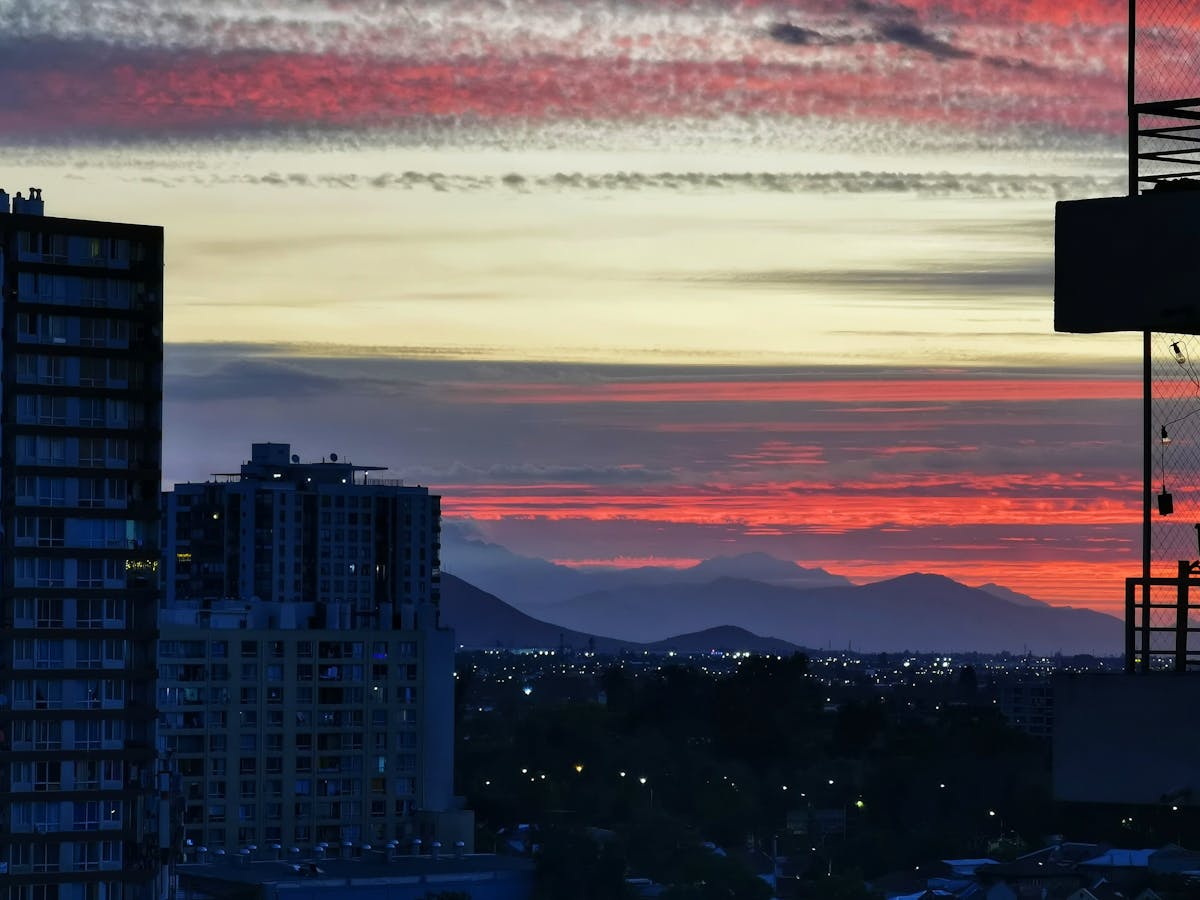
Cerro Santa Lucia is right there — a small fortified hill in the middle of the city with staircases, fountains, and a lookout at the top. It is not as high as San Cristobal, but the climb takes ten minutes and the view is a tighter, more intimate version of the same panorama. I went up at sunset and watched the city lights come on below while the Andes turned gold, then pink, then grey. There were maybe twenty other people up there. It felt private in a way that tourist viewpoints rarely do.
Bellavista and La Chascona: Neruda's Strangest House
Bellavista sits just across the river from Lastarria, at the foot of Cerro San Cristobal, and it is a completely different energy. Where Lastarria is polished and literary, Bellavista is loud, muraled, and slightly chaotic. The streets are narrower. The bars are cheaper. The graffiti is better. On a Friday night the whole neighborhood fills up with people — students, locals, tourists — and the noise carries all the way up the hill.
During the day, the main draw is La Chascona, the Santiago house of Pablo Neruda. I am going to be honest: I have visited all three of Neruda's houses in Chile (this one, La Sebastiana in Valparaiso, and Isla Negra on the coast), and La Chascona is the strangest and the best. Neruda built it in the 1950s for his secret lover Matilde Urrutia, and the whole place is designed around his obsessions — the sea, collecting odd objects, building rooms that feel like the inside of a ship. The dining room has a low ceiling and porthole-shaped windows. The bar is stocked with colored glass bottles. There is a room shaped like a lighthouse.
The audio guide is included in the entrance fee (around 8,000 CLP) and it is surprisingly well done — it tells you not just what you are looking at but why Neruda wanted it that way. The house was ransacked during the 1973 coup, and parts of it have been reconstructed. Knowing that history adds a weight to the visit that goes beyond literary tourism.
After La Chascona, I walked the side streets of Bellavista looking at murals. This neighborhood is one of the best places in Santiago for street art — full walls, entire buildings, elaborate pieces that have clearly been there for years. The quality is high. Some of it is political, some of it is pure color. I spent an hour just wandering and photographing, which was an hour well spent.
Barrio Italia: Where Santiago Eats on Sundays
Barrio Italia is the neighborhood I would move to if I lived in Santiago. I realize that is a strong statement for a place I spent exactly two days in, but the feeling was immediate. It is quieter than Lastarria, less performative than Bellavista, and full of the kind of restaurants and shops that locals run for other locals.
The main strip is Avenida Italia, and the side streets branching off it are where the good stuff hides. Small design studios. A ceramics shop where the owner was glazing bowls in the back while her daughter minded the counter. A vintage furniture store spread across three rooms of what used to be a house. A bakery selling sourdough loaves that were gone by 11am. This is not a tourist neighborhood. I heard almost no English the entire time I was there.
On Sundays, Barrio Italia fills up with families and couples who come specifically to eat. The brunch culture here is strong — better than Lastarria, in my opinion, because the restaurants are not trying to impress anyone. I had a long, slow breakfast at a place on a side street: eggs with merkén (Chilean smoked chili), fresh bread, a cortado, and a glass of fresh-squeezed juice. The bill was about 8,000 CLP. Under $9. I sat for an hour and nobody rushed me.
If you are short on time, skip Barrio Italia. It is not a sights neighborhood — there is nothing to check off a list. But if you have a free afternoon and you want to see what daily life in a good Santiago neighborhood actually looks like, this is where I would send you.
Mercado Central and La Vega: Two Markets, Two Different Worlds
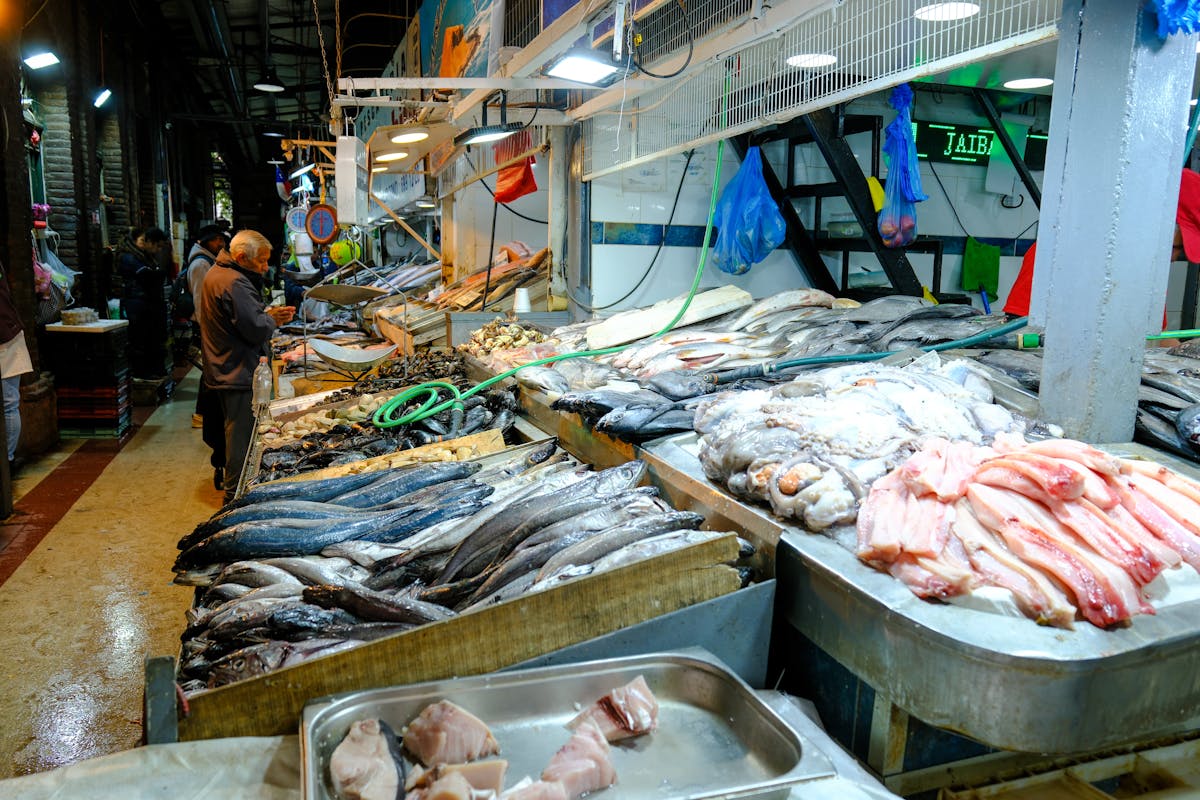
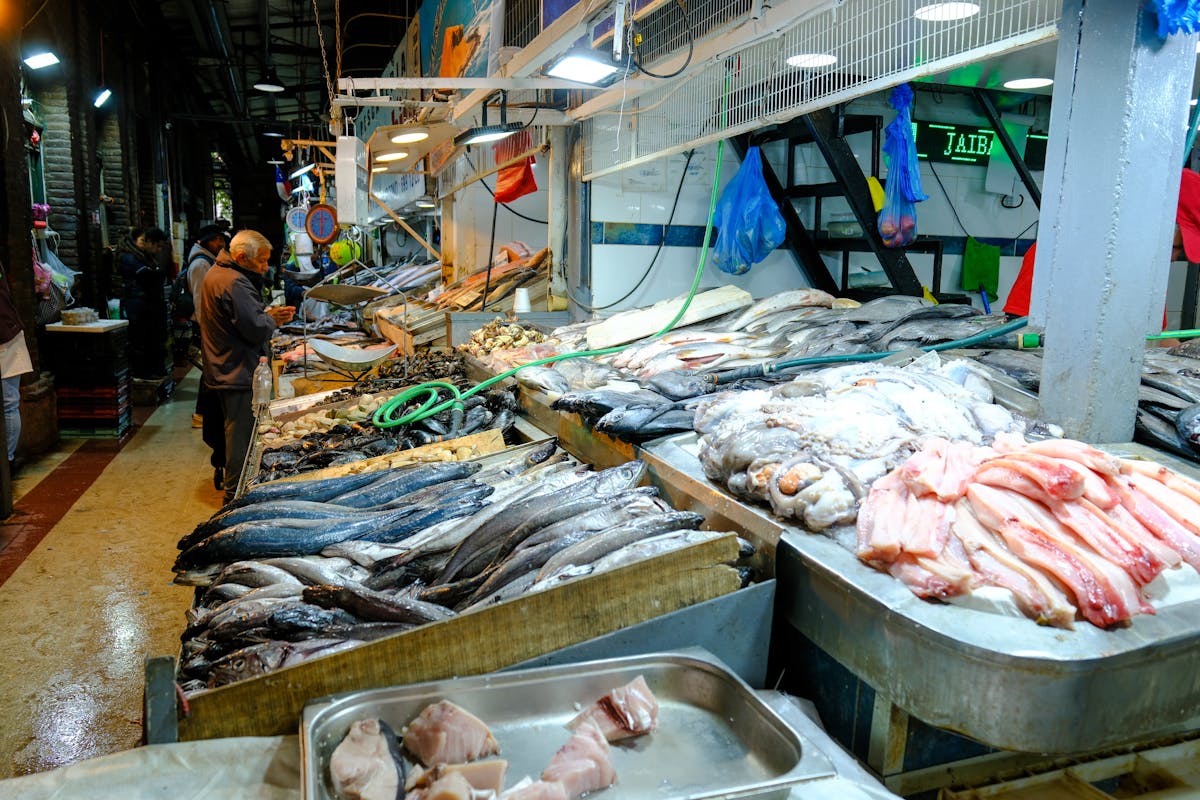
Mercado Central is the one everyone tells you to visit, and they are right, but with a caveat. The building itself is gorgeous — a cast-iron structure from 1872 with a soaring glass ceiling that fills the interior with light. The seafood counters along the edges are the real deal: enormous king crab legs, piles of razor clams, whole congrio (conger eel), sea urchins split open and glistening. Chile has one of the longest coastlines in the world, and the variety of seafood here reflects that.
The restaurants in the center of the market, though, are a tourist trap. I am going to say that plainly. The hawkers will approach you the second you walk in, waving laminated menus and quoting prices that are double what you would pay fifty meters away. The food is fine, not great, and the aggressive selling kills the atmosphere. My recommendation: walk through the center, admire the building and the fish counters, but eat at one of the smaller stalls around the edges. Or better yet, walk three blocks north to La Vega.
La Vega Central is the market the locals actually use, and it is a completely different experience. It is enormous — an entire city block of produce, meat, dried goods, and cheap lunch counters. The noise level is intense. People are shouting prices, stacking crates, pushing hand carts through narrow aisles. The fruit section alone is worth the visit: cherimoyas the size of softballs, lucuma, tuna (cactus fruit), and avocados so ripe they are almost black.
I ate lunch at a cocina in La Vega — one of the no-frills lunch counters staffed by women who have clearly been cooking the same dishes for decades. Cazuela (a clear broth with chicken, corn, potato, and pumpkin) for 3,500 CLP. A plate of pastel de choclo — a corn and meat casserole baked in a clay bowl — for 4,000 CLP. This was some of the best food I ate in Santiago, and it cost less than a coffee in Lastarria. The trick with La Vega is to go at lunchtime, between noon and 2pm, when the cocinas are at full capacity and everything is freshly made.
Quick Tip
La Vega can feel overwhelming on a first visit. Enter from the main entrance on Avenida La Paz and walk straight through to the cocinas at the back. The produce section is on the ground floor, the lunch counters are upstairs in La Vega Chica. Keep your phone in your front pocket — it is crowded and pickpocketing happens. See our safety guide for more.
Sky Costanera: Overrated but I Went Anyway
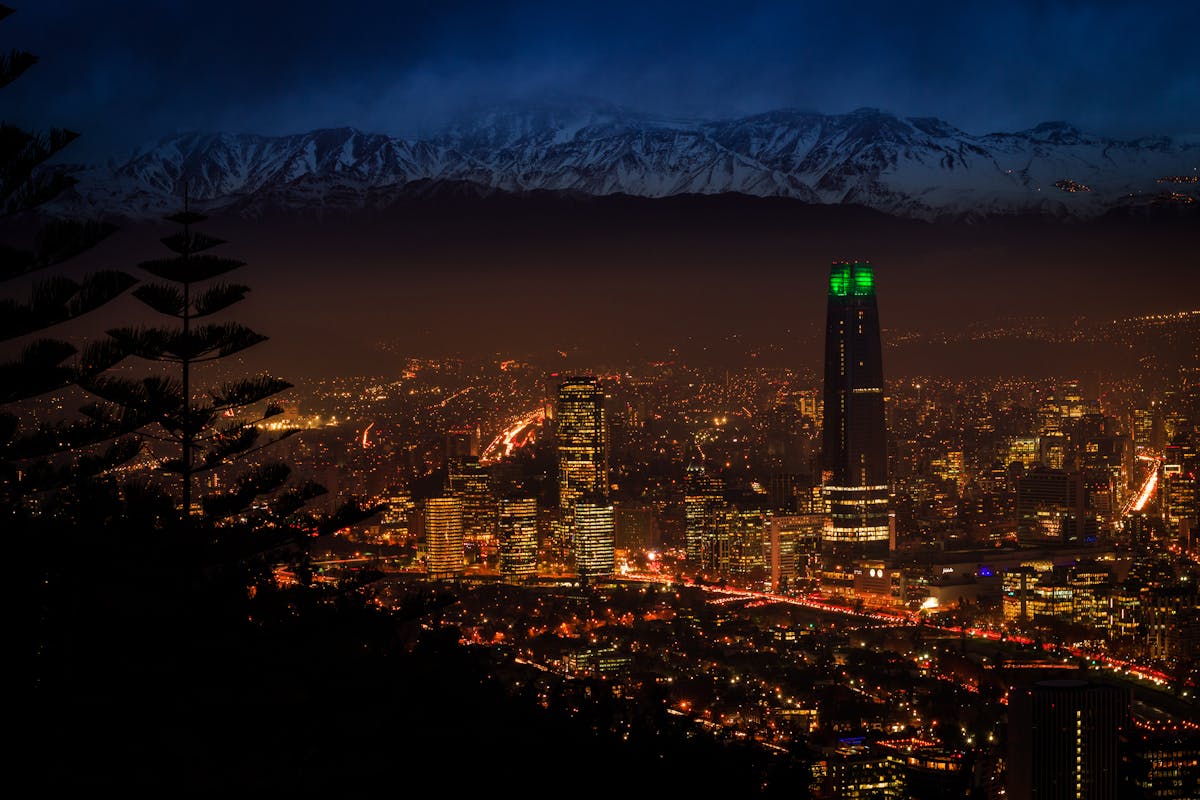
I should say upfront that I think observation decks in general are overpriced and overhyped. Sky Costanera, the observation deck at the top of the Gran Torre Santiago — the tallest building in South America — costs around 18,000 CLP (about $20). For that money you get a lift to the 61st and 62nd floors and a 360-degree view of the city through floor-to-ceiling glass.
Is it a good view? Yes. It is the highest vantage point in Santiago and on a clear day you can see the entire basin, the Andes in detail, and even the coastal range to the west. Is it worth $20 when you can climb Cerro San Cristobal for free and get a view that is arguably better because you are outside, with wind on your face, rather than looking through glass? That is the question.
I went because the weather was perfect and I wanted the Andes-at-eye-level effect that you only get from height. It delivered on that. The mountains from the 62nd floor look like a wall. You can see individual peaks, glaciers, valleys. If you are a photography person, the late afternoon light from up here is excellent — the city catches the gold from the west while the Andes are backlit from the east. I got some of my best shots of the trip from this spot.
But if your budget is tight, skip it. The hills give you 80% of the same view for zero pesos. Spend the $20 on lunch at La Vega instead.
The Street Food That Defines Santiago
Chilean street food does not get the international attention that Mexican or Peruvian food gets, and I think that is partly because the signature items sound unimpressive until you eat them. A completo is a hot dog. A sopaipilla is fried dough. An empanada is, well, an empanada. But the execution in Santiago is something else entirely.
The completo is the dish I think about most. It is a hot dog loaded with mashed avocado, chopped tomato, mayonnaise, and sometimes sauerkraut. The proportions are absurd — the toppings outweigh the hot dog by a factor of three. You eat it with both hands and a stack of napkins and you accept that you are going to make a mess. The best ones come from the fuentes de soda — old-school lunch counters that have been serving the same menu since the 1960s. I ate my best completo at a counter near the Universidad de Chile metro station: the bun was warm, the avocado was fresh, and the whole thing cost 2,500 CLP. Under three dollars.

Sopaipillas appear everywhere when it rains. Street vendors set up on corners with portable gas burners and fry rounds of pumpkin dough to order. You can get them plain with mustard (the traditional way) or topped with a sweet chancaca syrup (the better way, in my opinion). They cost almost nothing — 500 CLP for two or three — and they are exactly the kind of warm, greasy, satisfying food you want on a cold, wet Santiago afternoon.

And then there are the empanadas. The Chilean empanada de pino is a specific thing: a large baked pastry filled with ground beef, onion, olive, a quarter of a hard-boiled egg, and a single raisin. Every element matters. The olive and raisin are not optional — they are the flavor hits that make the whole thing work. I ate empanadas from bakeries, street carts, and sit-down restaurants, and the best ones were consistently from small bakeries in residential neighborhoods where the dough was thick and flaky and the filling was generous. The food and drink section of this site goes deeper on Chilean cuisine, but the empanada de pino is the one thing you absolutely cannot leave Santiago without eating.
Wine Day Trips: Maipo Valley in an Afternoon
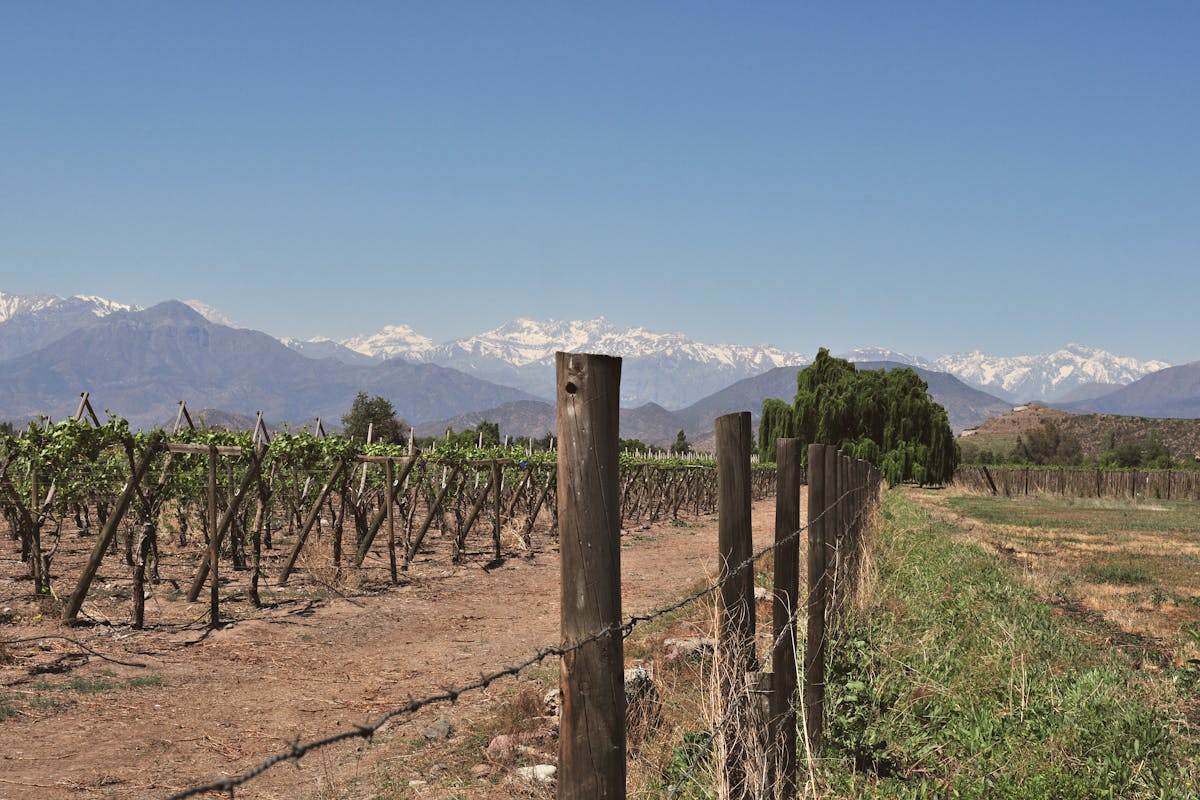
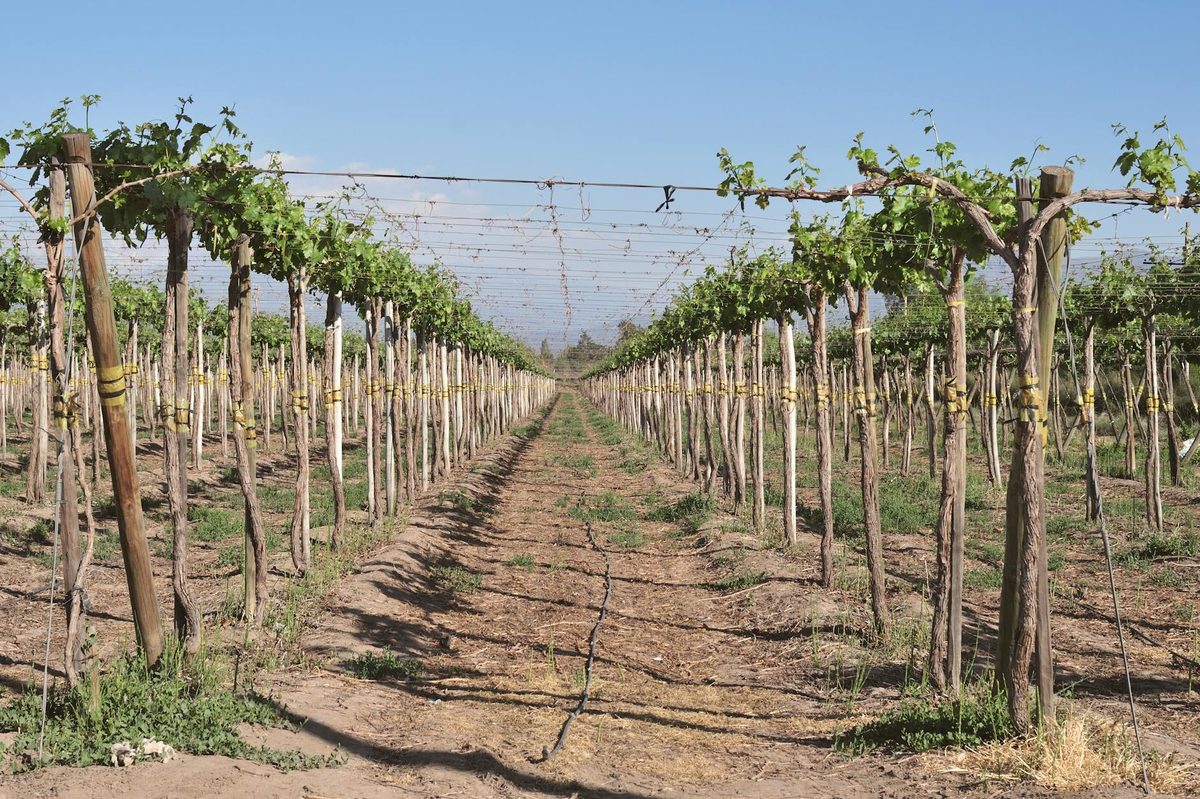
The Maipo Valley starts about 40 minutes south of Santiago, and the fact that you can go from a capital city of seven million people to rolling vineyards with Andes views in under an hour is one of the most underrated things about this part of Chile. I did a half-day wine tour and came back slightly drunk, very happy, and convinced that Chilean Carmenere is one of the most undervalued wines in the world.
A few practical things. You can visit wineries independently — Concha y Toro is the biggest and most accessible, with regular tours in English — but I preferred booking a small-group tour that hit two or three smaller producers. The smaller places let you taste in the barrel room, talk to the winemaker, and actually understand what makes this valley different. The Maipo is known for Cabernet Sauvignon and Carmenere, and tasting them side by side at the source, with the winemaker explaining the soil and climate differences, was genuinely educational in a way that wine tasting in a restaurant never is.
If wine is a major interest, consider going further. The Casablanca Valley (closer to Valparaiso, about 90 minutes from Santiago) does exceptional Sauvignon Blanc and Pinot Noir. The Colchagua Valley, about two hours south, is where the big reds come from. Both can be done as day trips, though Colchagua is a long day. I would give Casablanca the edge for a single-day trip because you can combine it with an afternoon in Vina del Mar or Valparaiso and make it a full coast-and-wine day.
Quick Tip
If you rent a car for wine country, designate a driver or take it seriously — Chilean police run checkpoints on the roads back to Santiago and the legal limit is low (0.03% BAC). Most tour operators include transport, which removes this problem entirely. Check our money and costs guide for tour pricing.
Cajon del Maipo: The Day Trip That Steals the Show
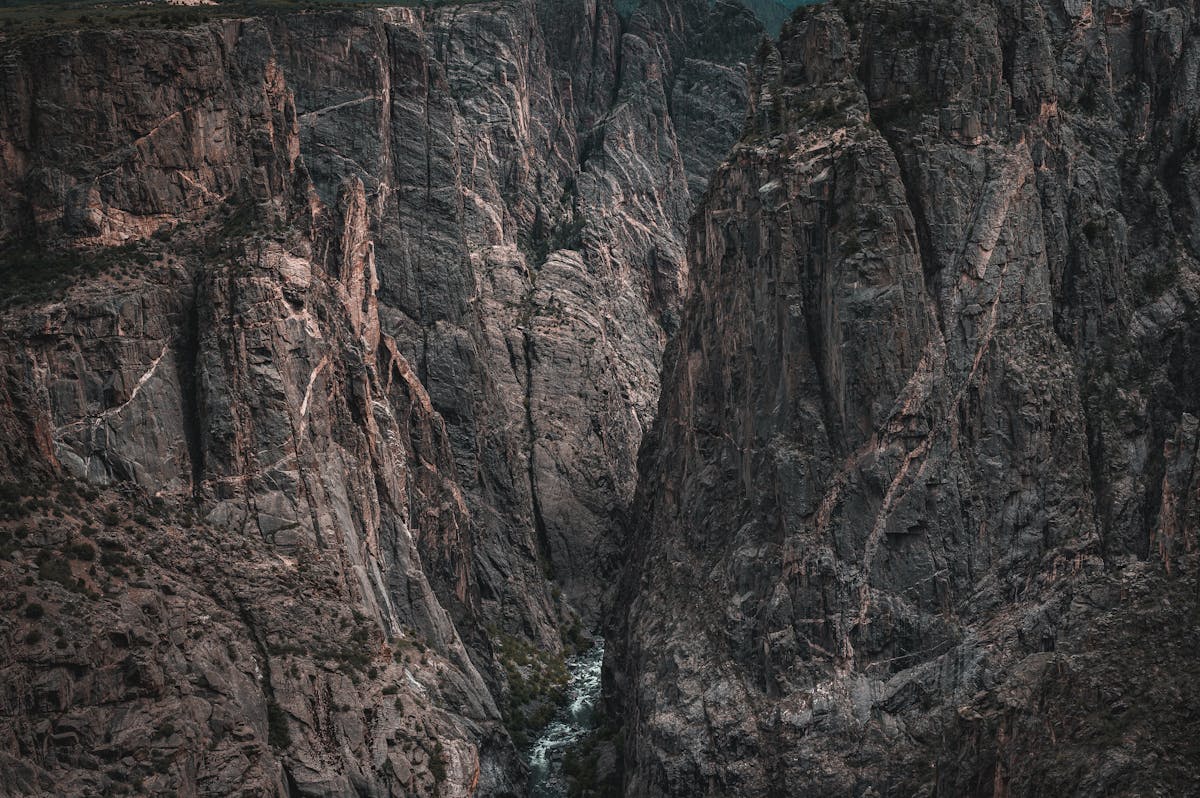
Cajon del Maipo is the day trip I recommend above all others from Santiago. It is a deep Andean canyon that starts about 45 minutes southeast of the city and runs for about 60 kilometers up into the mountains. The road follows the Maipo River, climbing from 800 meters at the canyon mouth to over 2,500 meters at Embalse El Yeso, a turquoise reservoir ringed by snow-capped peaks that looks like it belongs in Patagonia, not an hour from the capital.
I spent a full day here and it was the highlight of my time in Santiago — more memorable than any museum, market, or neighborhood. The drive itself is half the experience. The canyon narrows as you climb, the river gets louder, and the mountains close in on both sides. There are small villages along the road where you can stop for coffee or a snack. San Jose de Maipo, the main town, has a plaza with a church and a few restaurants — nothing special, but a good checkpoint.
The reservoir at the end of the road is the payoff. Embalse El Yeso is a deep blue-green, framed by mountains on every side, and so still that the reflections are almost perfect. I visited on a weekday morning and there were maybe ten other people there. The silence was total except for the wind. I walked along the shore for an hour, took too many photos, and sat on a rock eating the sandwich I had packed from the city. It was one of those rare travel moments where the reality matches the photos — the water really is that color, the mountains really are that close, and the whole scene really is that quiet.
The road to Embalse El Yeso is unpaved for the last stretch and can be rough. A normal rental car can make it in summer, but in winter the road may be closed due to snow. Many people book a guided day trip from Santiago, which handles the logistics and usually includes a stop at a hot spring on the way back. If you have your own car, leave early — by mid-afternoon the road gets busy with returning day-trippers and the narrow sections create bottlenecks.
For anyone planning a longer Chile trip, this canyon also connects to skiing in winter. Several small ski resorts are accessible from the upper canyon road, and the combination of skiing the Andes in the morning and eating dinner in Santiago that evening is one of the more surreal logistical realities of this city.
Santiago's Craft Beer Scene: Better Than You Expect

I did not expect Santiago to have a good craft beer scene. Chile is a wine country, and the default beers — Cristal, Escudo — are the kind of inoffensive lagers that exist to be cold and cheap. But over the last five or six years, the craft beer movement has grown fast, and Bellavista and Barrio Italia are now packed with taprooms pouring genuinely interesting beers.
The standout for me was a small taproom in Bellavista that had twelve taps of Chilean craft beer — IPAs, stouts, sours, a smoked porter that was exceptional. Pints were around 4,000-5,000 CLP ($4.50-$5.50), which is a fraction of what you would pay for comparable quality in most cities. The bartender knew every beer on the list and walked me through the local breweries like a sommelier. I ended up trying six half-pints and left with a list of bottles to look for at the bottle shops in Barrio Italia.
If beer matters to you, spend an evening doing a self-guided crawl through Bellavista. Start at Pio Nono (the main street), then work your way through the side streets. There are at least four or five dedicated craft beer spots within a ten-minute walk of each other. The quality is consistently high and the atmosphere is relaxed — no velvet ropes, no pretension, just good beer in interesting rooms.
Getting Around: The Metro Is Excellent (and the Buses Are Not)
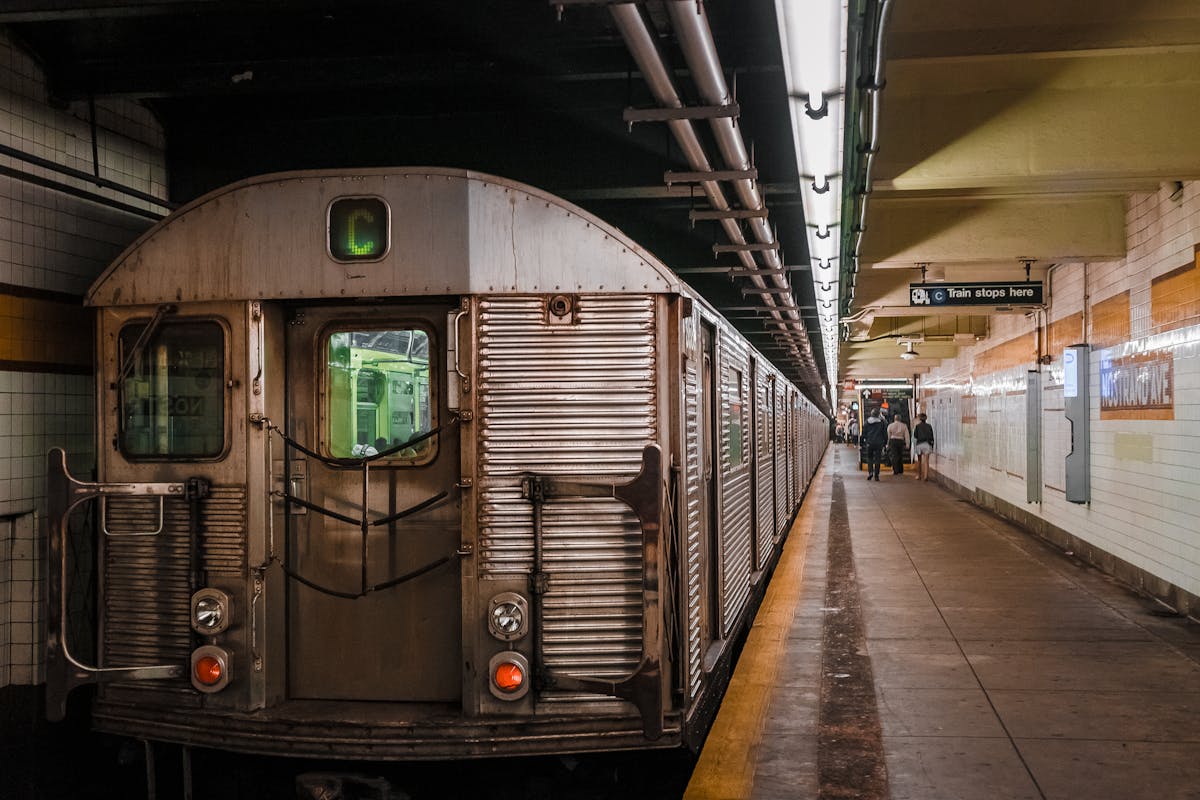
Santiago has the best metro system in South America, and I will argue that point with anyone. It is clean. It is fast. It runs frequently. The stations are well-signed in both Spanish and English on the newer lines. It covers almost every neighborhood a tourist would want to visit, and during off-peak hours you can get across the entire city in under thirty minutes. A single ride costs 800 CLP (about $0.90) at peak times, less during off-peak.
You need a Bip! card to ride. Buy one at any metro station — the card itself costs about 1,550 CLP, then you load it with credit. The same card works on buses. I loaded mine with 10,000 CLP on day one and it lasted almost the entire trip.
The buses, by contrast, are confusing. The route system (called Transantiago, now rebranded as RED) uses the same Bip! card, but the routes are poorly mapped for visitors and the buses themselves are often packed. I took one bus on my first day, could not figure out where to get off, ended up twelve blocks past my stop, and never took another one. The metro goes everywhere you need. Use it. Check our getting around guide for detailed route maps.
Quick Tip
Avoid the metro during rush hour (7:30-9am and 6-8pm). The cars get extremely crowded — sardine-level packed on Lines 1 and 4. If you must travel at peak time, walk to the next station in the direction of travel to board a slightly less full car. Or just walk — most of central Santiago is very walkable.
Where to Stay: Picking the Right Neighborhood
Santiago's neighborhoods are distinct enough that where you stay will shape your experience significantly. Here is how I would break it down, based on staying in three different areas across my trips:
Lastarria / Barrio Bellas Artes — This is where I would stay again. Central location, walkable to almost everything, best restaurant density in the city. The metro stations Bellas Artes and Universidad Catolica are both right there. Hotels and hostels range from budget to nice boutique. This is the neighborhood for people who like to walk out the door and immediately have good food options.
Providencia — Slightly east of center, more residential, excellent for longer stays. The restaurants here are aimed at locals, not tourists, which means better prices and less hustle. The metro Line 1 runs the length of Providencia's main avenue. Good pick if you want a quieter base with easy access to everything.
Bellavista — Best for nightlife. Worst for sleep. The bars go until 4am on weekends and the noise carries. I stayed here on my first visit and enjoyed the energy but moved to Lastarria the second time. If you are in your twenties and want to go out, Bellavista is the call. If you value sleep, stay across the river.
Barrio Italia — The most "local" feeling base. No tourist infrastructure to speak of — you will not find many hostels here. But the Airbnb options are good, the food is excellent, and the metro connects you to the center in ten minutes. Best for repeat visitors or people who want to live like a resident for a week.
Las Condes / El Golf — The business district. Modern, safe, full of malls and chain restaurants. There is nothing wrong with it but there is nothing interesting about it either. Unless your hotel points are forcing you here, I would stay somewhere with more personality.
Day Trip to Valparaiso: Color, Hills, and Chaos
I almost left Valparaiso off this list because it is not technically Santiago. But the bus ride is 90 minutes, the service is frequent and cheap (around 5,000 CLP each way), and I consider it essential to any Santiago trip of three days or more. If I had only one day trip to recommend, it would be Cajon del Maipo. If I had two, Valparaiso is the second.
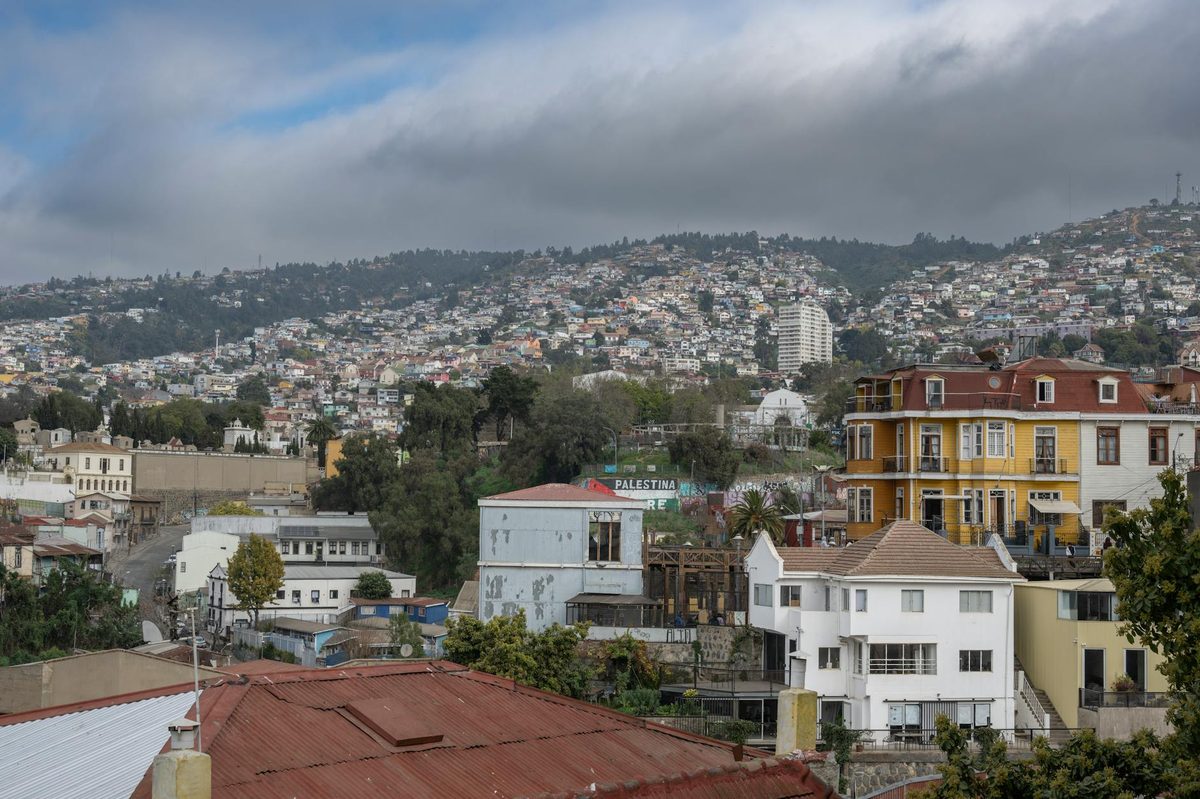
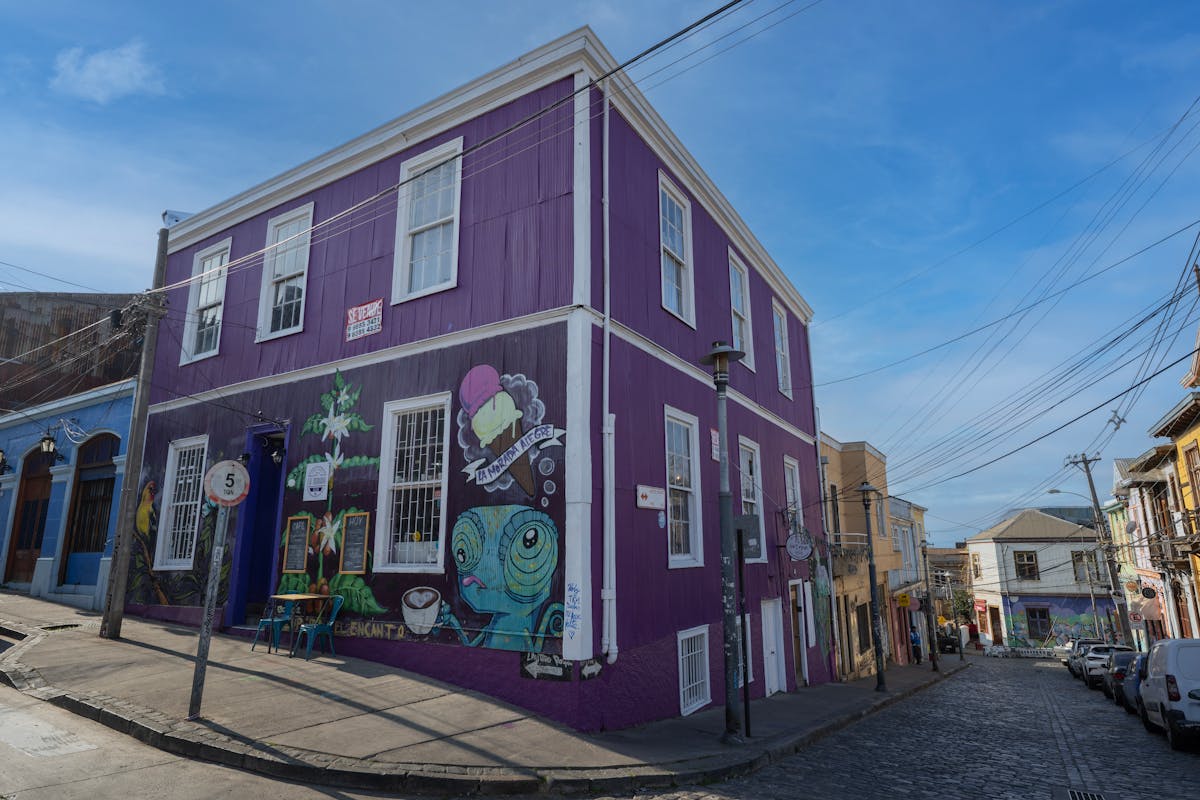
Valparaiso is a port city built on forty-something hills (cerros), and every surface is painted. Murals cover entire buildings. Staircases are color-coded. Even the corrugated metal walls of the poorest houses become canvases. The effect, when you climb to a mirador and look across the cerros, is a city that looks like it was illustrated rather than built.
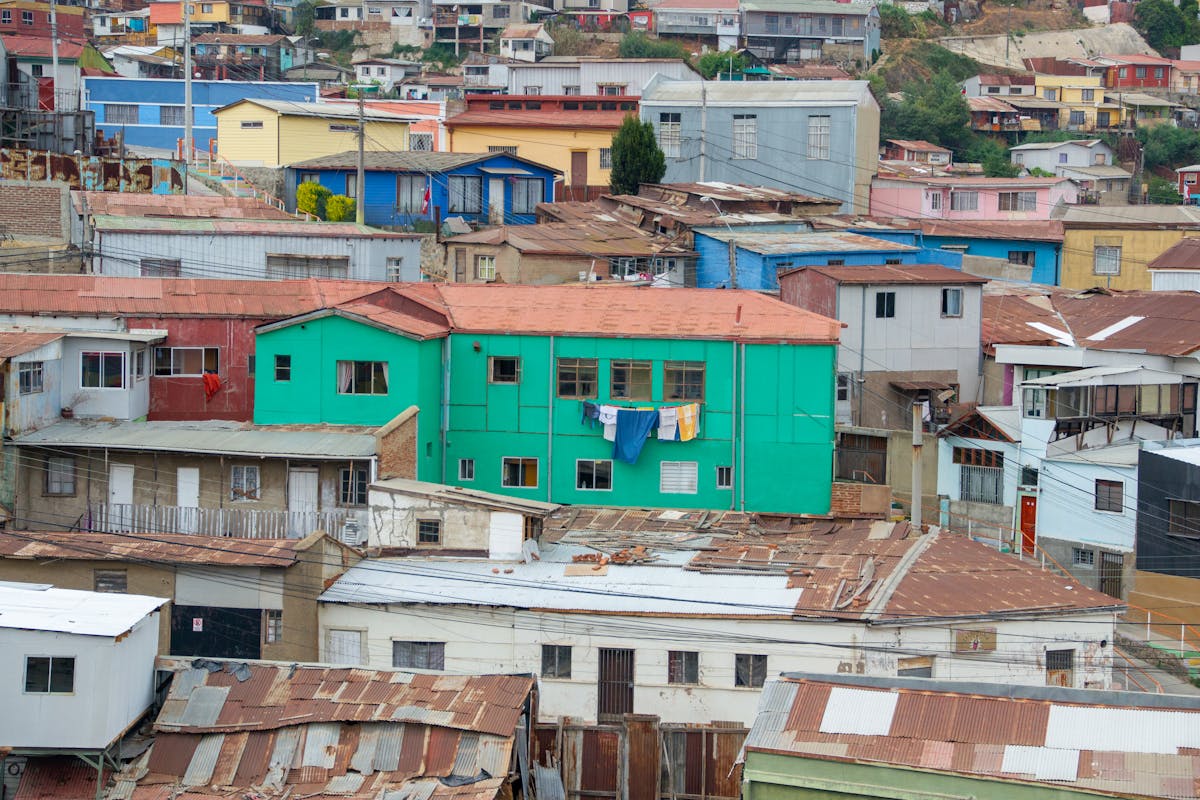
The best way to see it is to ride one of the historic funiculars (ascensores) up to a cerro and then walk downhill through the streets, letting yourself get lost. Cerro Alegre and Cerro Concepcion are the most popular and the most polished — good restaurants, boutique hotels, art galleries. But the rougher cerros further from the center have the most interesting street art and the least tourist traffic.
Stop at La Sebastiana, Neruda's house in Valparaiso, if you visited La Chascona in Santiago. It is a very different building — tall and narrow, built into the hillside, with views over the port. The contrast between the two houses tells you something about Neruda's restless, contradictory personality.
If you have extra time, Vina del Mar is fifteen minutes further up the coast. It is the opposite of Valparaiso — clean, planned, full of beaches and high-rises. I found it boring after Valparaiso, but the beach is good and the seafood restaurants along the waterfront serve some of the freshest fish I had in Chile. Combine both in a single long day trip if you have the energy.
The Practical Stuff: Costs, Timing, and What I Would Do Differently
Santiago is affordable by international standards but not as cheap as other South American capitals. Here is roughly what I spent per day as a mid-range traveler:
| Hostel private room / budget hotel | $30-50/night |
| Lunch at La Vega or a fuente de soda | $4-6 |
| Dinner at a Lastarria restaurant with wine | $15-25 |
| Metro rides (3-4 per day) | $2-3 |
| Coffee (cortado) | $2-3 |
| Craft beer (pint) | $4-5 |
| Wine day trip (half-day group tour) | $40-60 |
| Cajon del Maipo day trip | $50-80 |
A reasonable daily budget for a mid-range traveler eating well is around $70-90, not including accommodation. See our money and costs guide for a full breakdown.
Best time to visit: October through April. The weather is warm, the skies are clearest, and the Andes views are at their best. December through February is peak summer and the city empties out as Santiaguinos head to the coast — which means less traffic, fewer crowds, and easier reservations. March (when I went) was perfect: warm days, cool evenings, zero crowds.
How many days: Three is the minimum for the city itself. Five gives you time for two day trips. A full week lets you do everything on this list at a relaxed pace, which is what I would recommend. Santiago is not a checklist city — it is a living-in-it city, and the best parts reveal themselves when you are not rushing.
What I would do differently: I would book Barrio Italia accommodation from the start instead of switching mid-trip. I would do Cajon del Maipo on day one, when I had the most energy, instead of saving it for the end. And I would eat at La Vega every single day for lunch. That last one is not a joke — the food at those cocinas was consistently the best value meal in the city, and I only discovered them on day three.
If you are building a longer Chile itinerary, Santiago is the natural starting point. From here, the Atacama is a two-hour flight north, Patagonia is a four-hour flight south, and the two-week Chile itinerary I laid out in another post starts and ends here. The airport (SCL) is well-connected to every region in the country, and the food tours available in the city make a great first or last day activity before you scatter to the extremes.
Santiago is not a city that shouts. It does not have the instant, obvious spectacle of Rio or Buenos Aires. But it is a city that rewards curiosity and time — the kind of place where the fourth day is better than the first, because by then you have found your cafe, your market stall, your hill to climb. I left wanting another week. I suspect you will too.